What Are Micronutrients?
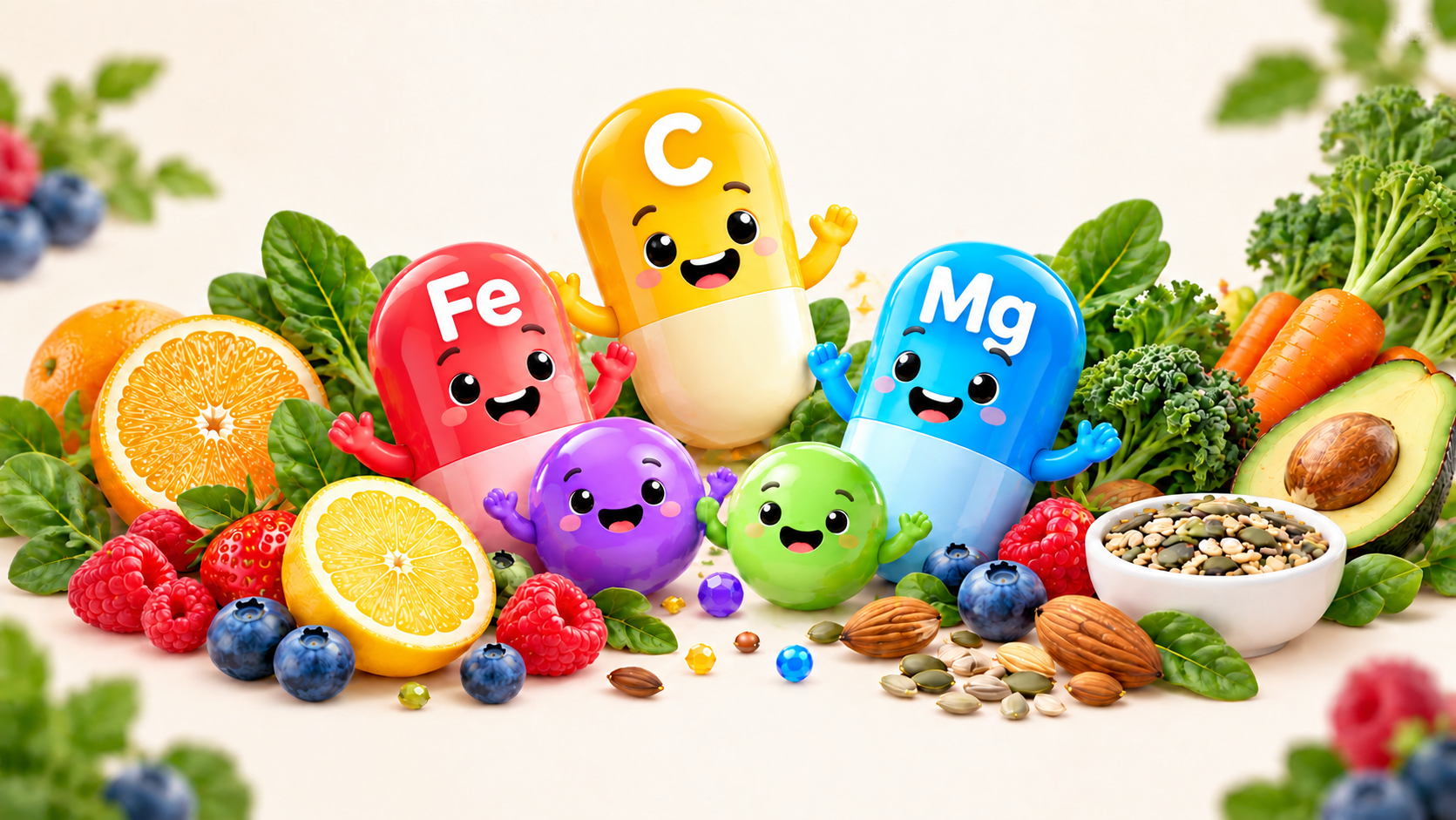
Micronutrients are the collective name for vitamins and minerals. They are needed in much smaller amounts than macronutrients, but they are essential for everyday health and normal body function.
A varied diet is the best way to get them: vegetables, fruit, wholegrains, beans, lentils, fish, eggs, dairy or fortified alternatives, tofu, tempeh, nuts, seeds, and other minimally processed foods all contribute different micronutrients. HealthHub promotes balanced eating patterns and practical meal planning to support healthier food choices.
Why They Are Important
Micronutrients support many important jobs in the body:
- Energy and concentration: B vitamins, iron, magnesium, and iodine help with energy metabolism and normal body processes.
- Blood and oxygen transport: iron, folate, and vitamin B12 support healthy red blood cells.
- Bones and teeth: calcium, vitamin D, phosphorus, magnesium, and vitamin K help support bone health.
- Immunity and healing: vitamins A, C, D, zinc, selenium, and iron contribute to normal immune function and tissue repair.
- Nerves and muscles: minerals such as potassium, magnesium, calcium, and sodium help normal nerve and muscle function.
- Healthy eyes, skin, and cells: vitamins A, C, E, and other plant-food nutrients support normal tissues and antioxidant-related protection.
Deficiency and Health
A micronutrient deficiency means the body does not get or absorb enough of a vitamin or mineral over time. It may happen because of a limited diet, poor appetite, highly restrictive eating, digestive conditions, older age, pregnancy, heavy menstrual blood loss, alcohol misuse, certain medicines, or problems absorbing nutrients.
Deficiency can cause symptoms and, if untreated, contribute to illness or health conditions:
- Iron deficiency can cause iron-deficiency anaemia, tiredness, weakness, pale skin, and reduced exercise tolerance.
- Vitamin B12 or folate deficiency can cause anaemia; B12 deficiency may also cause numbness, tingling, balance problems, or nerve damage.
- Vitamin D and calcium deficiency can weaken bones and contribute to rickets in children or osteomalacia in adults.
- Iodine deficiency can impair normal thyroid function.
- Vitamin C deficiency can lead to scurvy in severe cases, including fatigue, gum problems, easy bruising, and poor wound healing.
- Vitamin A deficiency can impair vision and immune function, with severe deficiency potentially causing serious eye problems.
Symptoms such as ongoing fatigue, weakness, hair loss, numbness, frequent mouth ulcers, unusual bruising, bone pain, or poor wound healing can have many causes. They should be assessed by a doctor instead of being self-diagnosed as a vitamin or mineral deficiency. Singapore’s Ministry of Health advises people to take proactive steps to stay healthy and seek timely, appropriate healthcare when needed.
Food First
Try to meet micronutrient needs through varied meals rather than depending on a small number of “superfoods.” A practical approach is to include different colours of vegetables and fruit, wholegrains, protein foods, calcium-rich foods, and nuts, seeds, or legumes across the week.
Supplements may be appropriate for some people, but individual needs differ. People who are pregnant, follow a vegan diet, have a diagnosed medical condition, use long-term medication, or have had bariatric or digestive surgery should discuss their needs with a doctor or accredited dietitian.
https://www.healthhub.sg/well-being-and-lifestyle/food-diet-and-nutrition https://ods.od.nih.gov/factsheets/list-all/ https://www.moh.gov.sg/

Comments
No comments yet.
Log in to leave a comment.