Movement as Medicine
Movement as Medicine: Elevating Healthspan Through Physical Activity
In lifestyle medicine, physical activity is a primary therapeutic intervention to combat sedentary behavior, prevent chronic disease, and preserve lifelong autonomy. Regular movement is not simply about burning calories—it transforms your internal physiology, supercharges your immune system, and protects your body against physical decline as you age.
- Why Exercise is Essential: The Recommended "Dose"
Physical inactivity is one of the leading underlying causes of chronic illness and premature mortality globally. Modern conveniences have made daily life increasingly sedentary, contributing to a gap between overall life expectancy (around 80 years) and healthy life years (around 66 years)—leaving an average of 14 impaired life years spent dealing with chronic illness or disability. - The Guideline Standard: Clinical guidelines from the American College of Lifestyle Medicine (ACLM) recommend that adults aim for at least 150 minutes of moderate aerobic activity and muscle-strengthening exercise per week.
- Cardiovascular Protection: Landmark global research, including the INTERHEART study across 52 countries, proves that regular physical activity is universally protective against heart attacks across all age groups and demographics.
- Long-Term Protection for Arteries: A Swedish study of over 20,000 men demonstrated that daily walking or cycling for 40 minutes, combined with structured exercise, significantly reduced heart attack risks over 11 years. Furthermore, the CARDIA study showed that practicing physical activity in young adulthood (ages 18–30) directly reduces coronary artery calcium buildup two decades later.
- Cancer & Chronic Disease Prevention: Regular movement is explicitly recommended by leading health organizations to lower the risk of cardiovascular disease, type 2 diabetes, stroke, osteoporosis, and several types of cancer.
- What Happens Inside the Body During Exercise
When you move your body, a cascade of beneficial physiological shifts occurs at the cellular and biological levels: - Immune Cell Supercharging: Research shows that just 30 to 45 minutes of moderately brisk walking directly boosts internal immune defenses by enhancing T-cell function, natural killer (NK) cell activity, and macrophage function.
- Brain Function & Mental Vitality: Movement stimulates circulation to the brain, helping clear mental fatigue, foster creativity, and protect cognitive vitality.
- Metabolic & Vascular Tuning: Exercise increases insulin sensitivity, lowers resting blood pressure, reduces abdominal fat accumulation, and prevents arterial plaque build-up.
- Preserving Muscle & Mobility After Age 60
As the body ages past 60, adults naturally undergo sarcopenia—the age-related loss of muscle mass, strength, and function. Without intentional exercise, muscle loss accelerates, leading to joint instability, frailness, and balance loss. - Avoiding Impaired Life Years: The goal of physical activity in later decades is to avoid becoming dependent on others for basic daily activities such as ambulation (walking), standing, and self-care.
- Preserving Autonomy: Maintaining strong muscles and flexible joints ensures that aging individuals maintain independence, balance, and freedom of movement throughout their 70s, 80s, and beyond.
- Walking, Strength Training, and Functional Tests
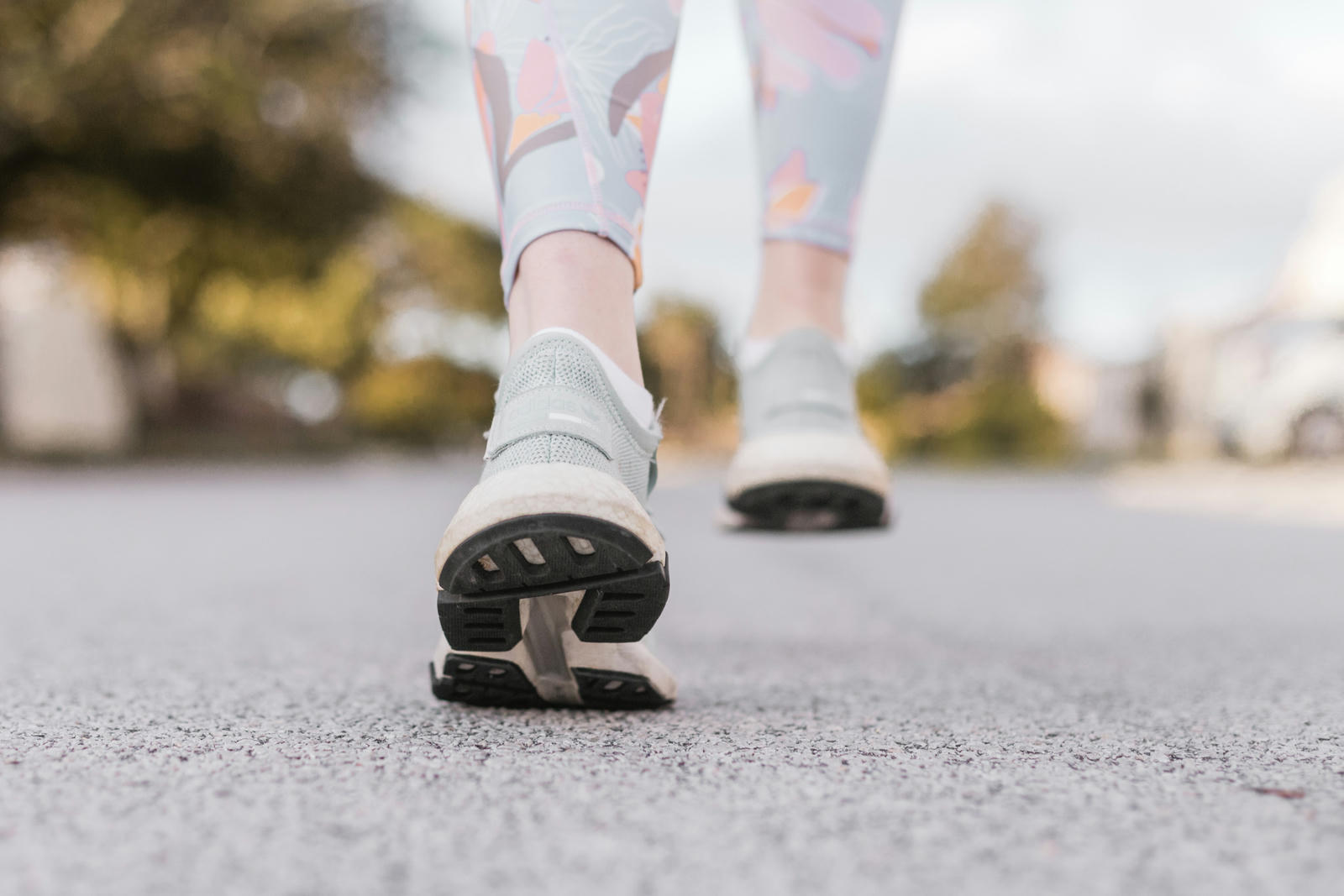
A balanced movement routine for longevity blends natural aerobic motion with targeted strength and mobility work: - Daily Walking & Natural Movement: Inspired by centenarians in the Blue Zones, living a long life doesn't require extreme marathons; it relies on moving naturally throughout the day—such as daily walking, gardening, and active travel.
- Strength & Bone Density: Resistance and muscle-strengthening activities build lean muscle tissue to counteract sarcopenia and increase bone mineral density, safeguarding against osteoporosis and fractures.
- Functional Mobility: The "Chair Rise" Test:
- A crucial clinical marker of functional age and lower-body power is the ability to stand up from a chair without using your hands.
- Performing a chair rise requires adequate quadriceps strength, glute activation, core stability, and balance. Being able to rise smoothly without pushing off with your arms indicates functional independence and a low risk of falls.
- How Movement Interlinks with Other Pillars
Physical activity does not operate in isolation; it works in tandem with the other five lifestyle medicine pillars: - Movement & Stress: Exercise releases endorphins and acts as a natural "downshift" mechanism to clear stress hormones.
- Movement & Sleep: Regular daytime physical activity promotes deeper, more restorative sleep cycles, allowing cells to repair overnight.
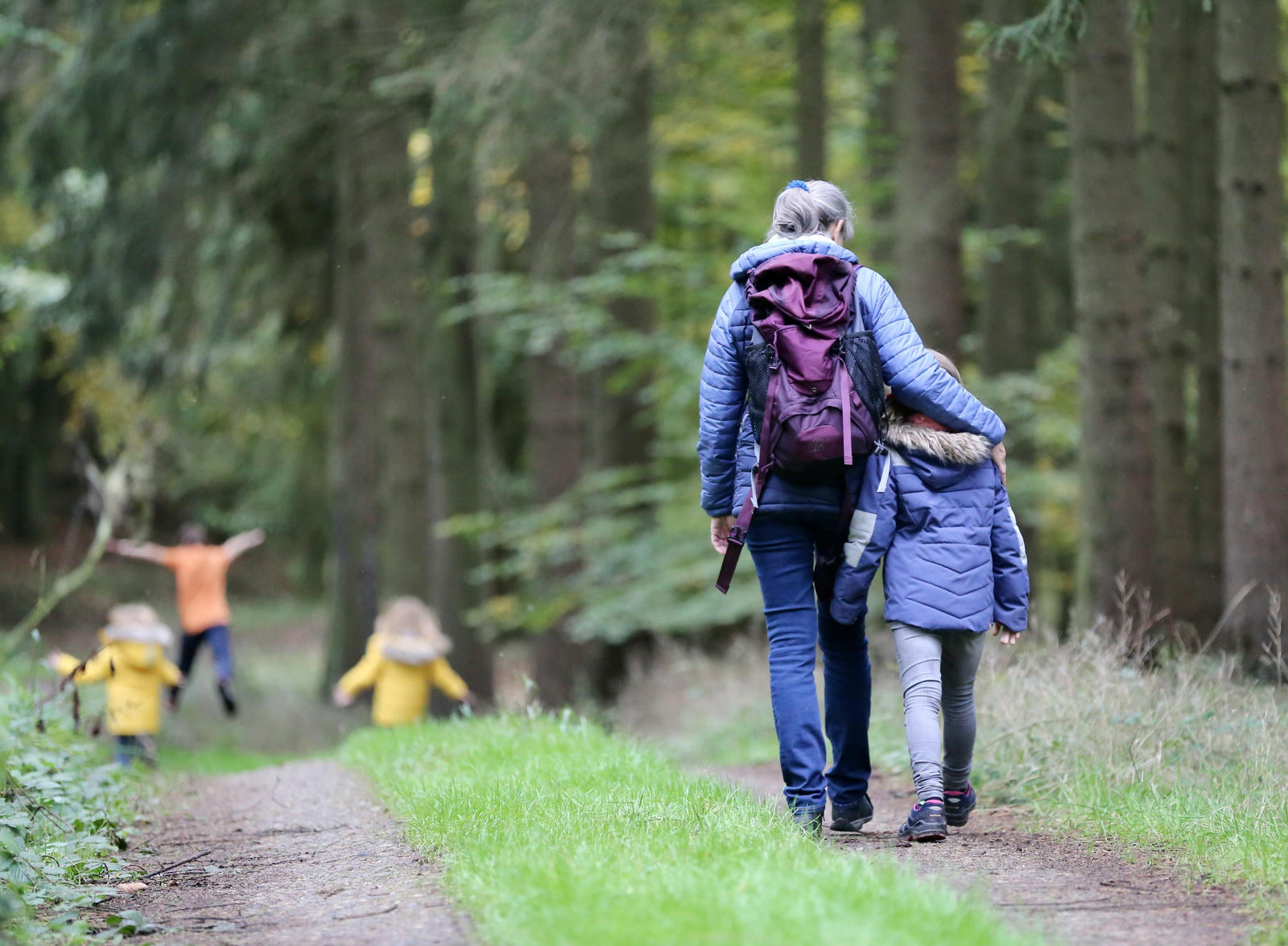
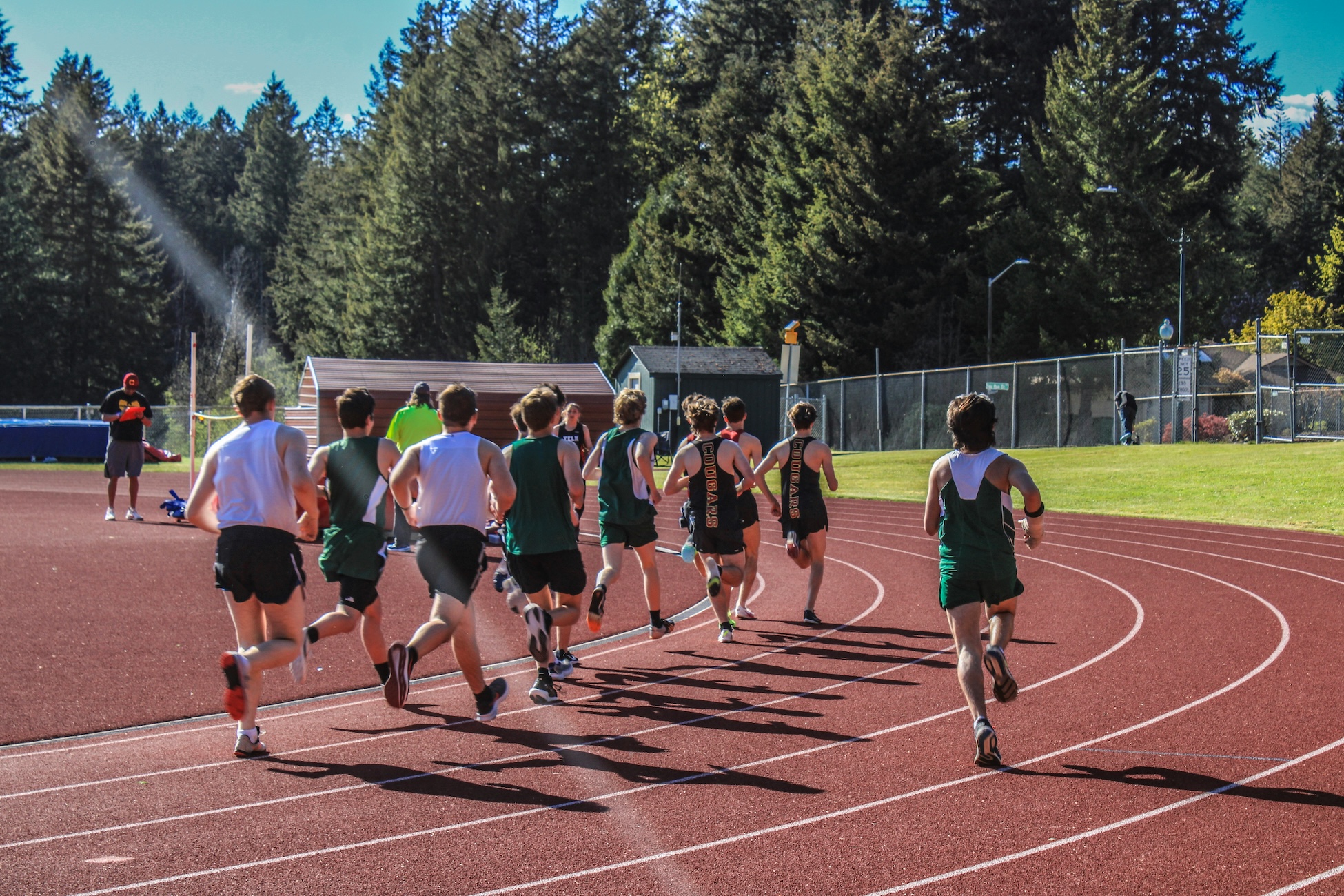
- Movement & Social Connection: Engaging in group walks, recreational sports, or outdoor games fosters deep, face-to-face social connections and community bonding.
Comments
No comments yet.
Log in to leave a comment.