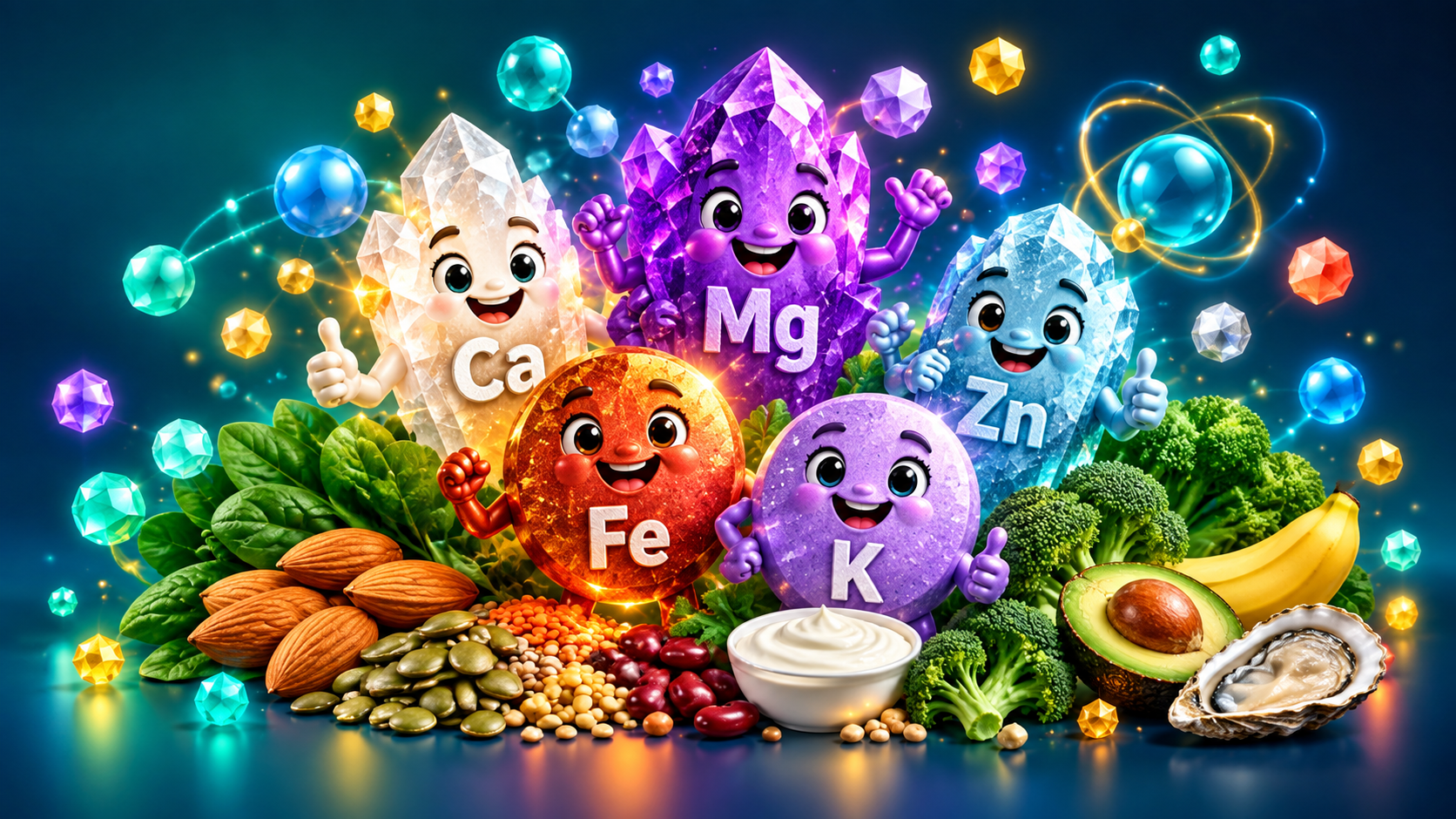
Minerals are essential chemical elements that make up about 4 to 6 percent of body weight. They build bones and teeth, balance fluids, carry nerve signals, move oxygen in the blood and power hundreds of enzymes. The body cannot make them, so they must come from food and water.
What is it?
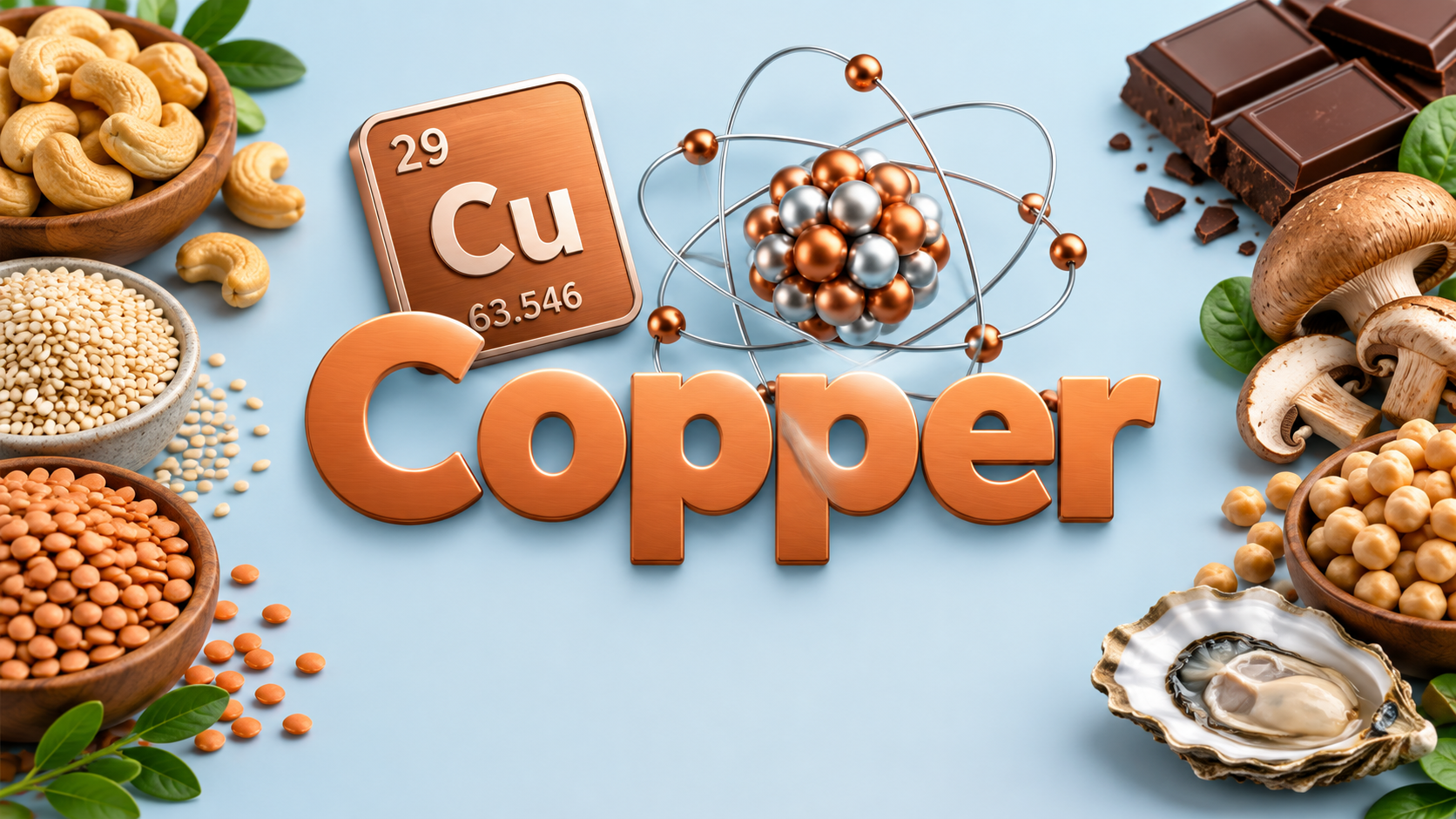
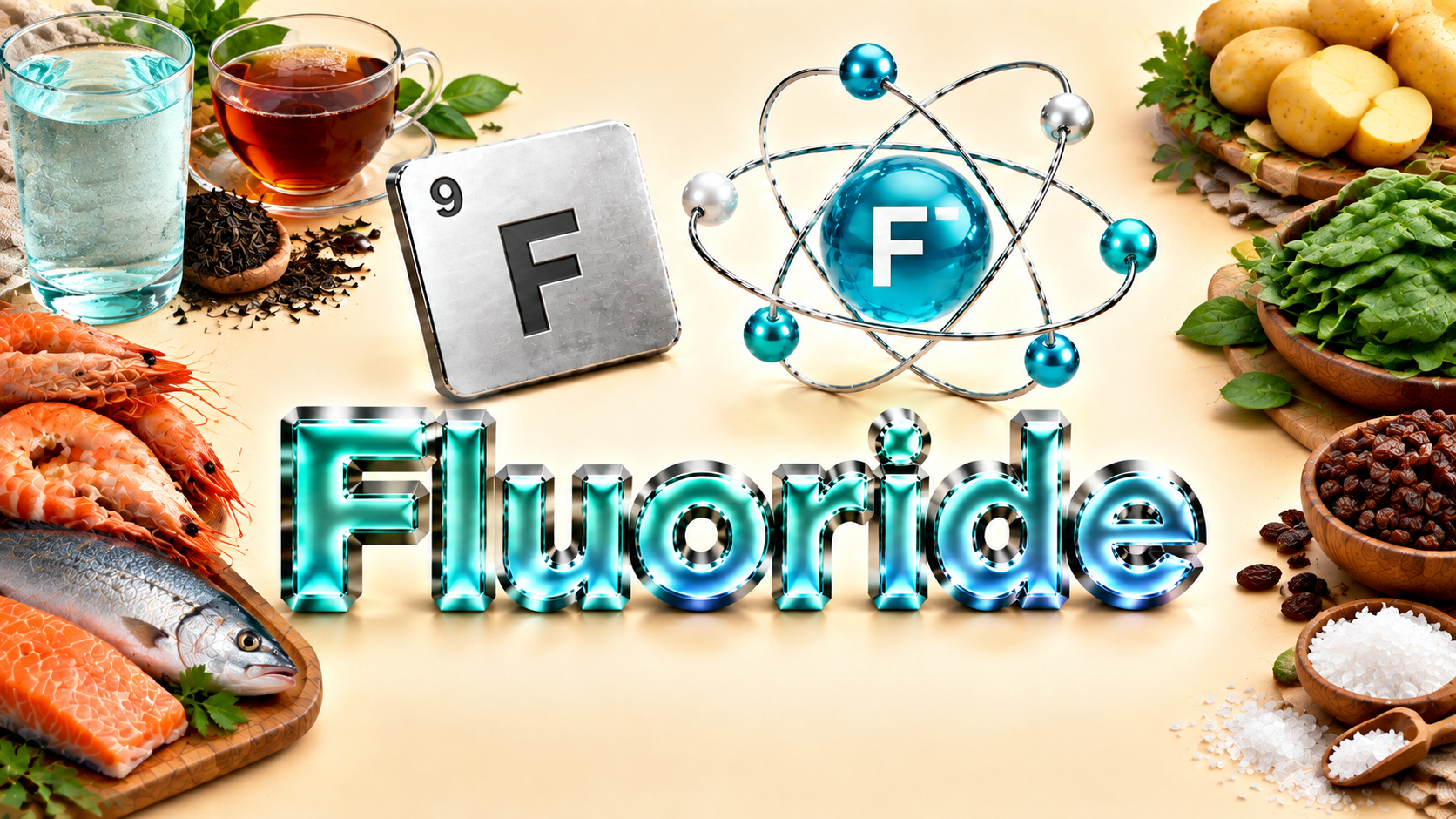
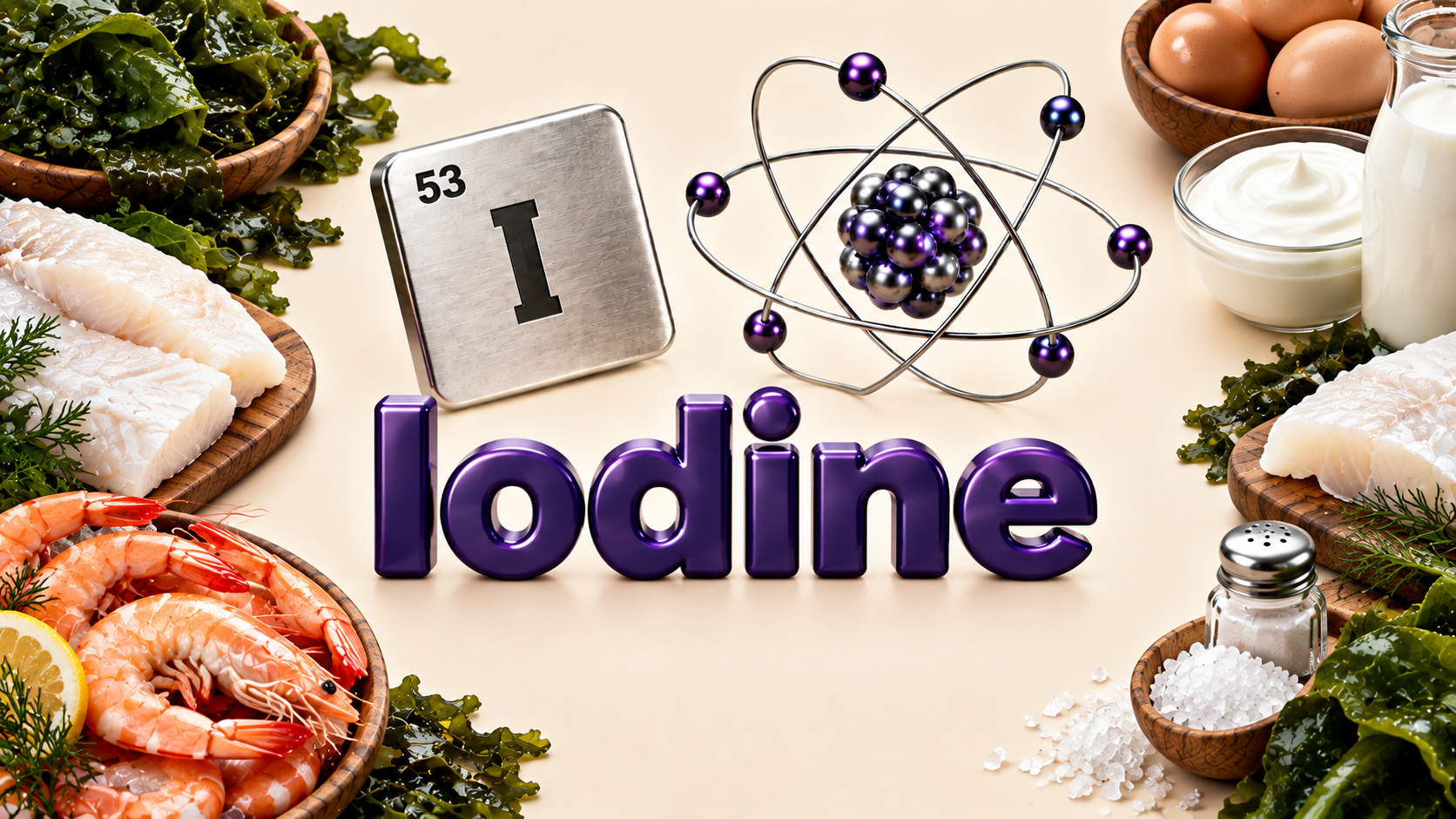
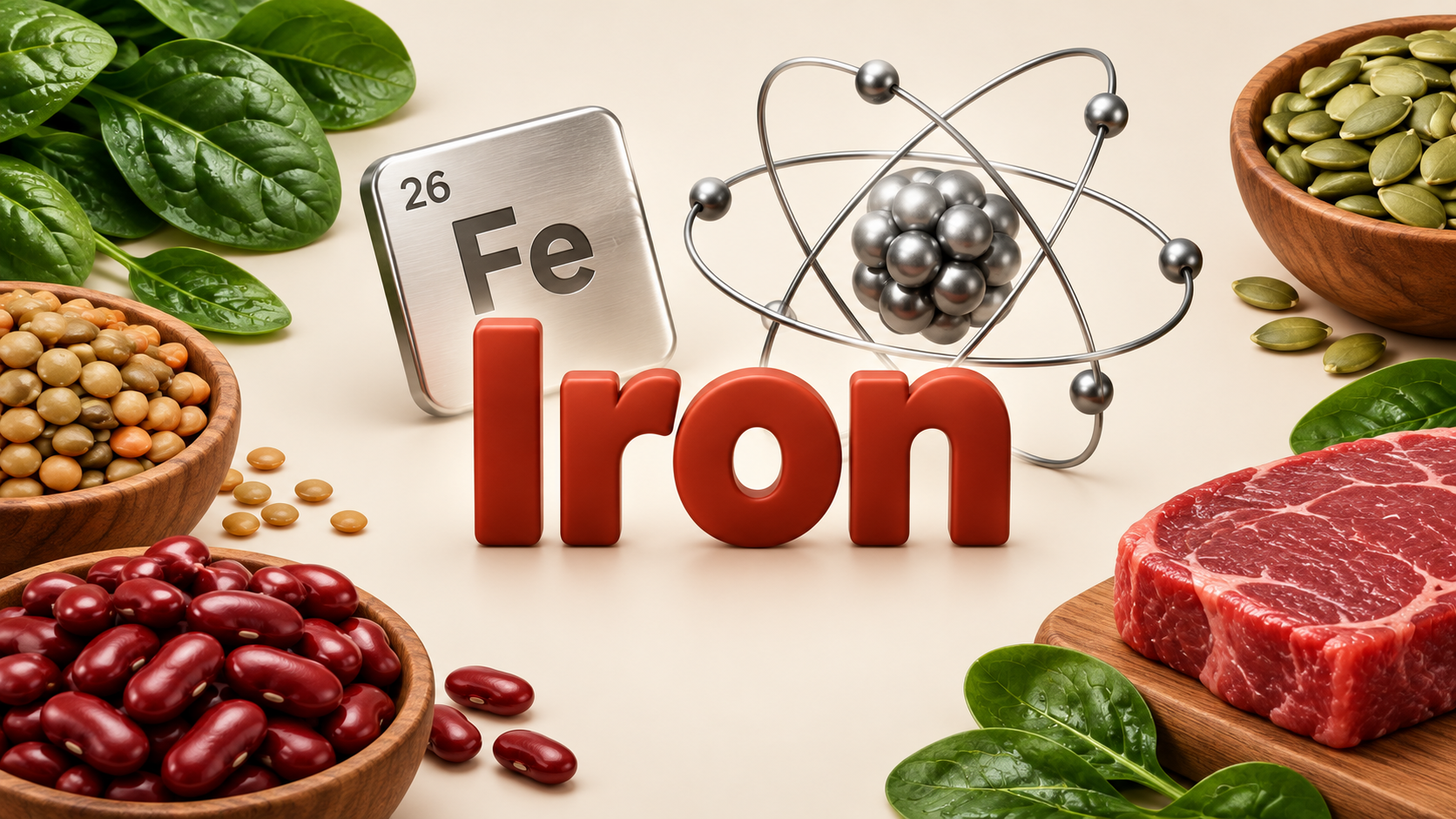
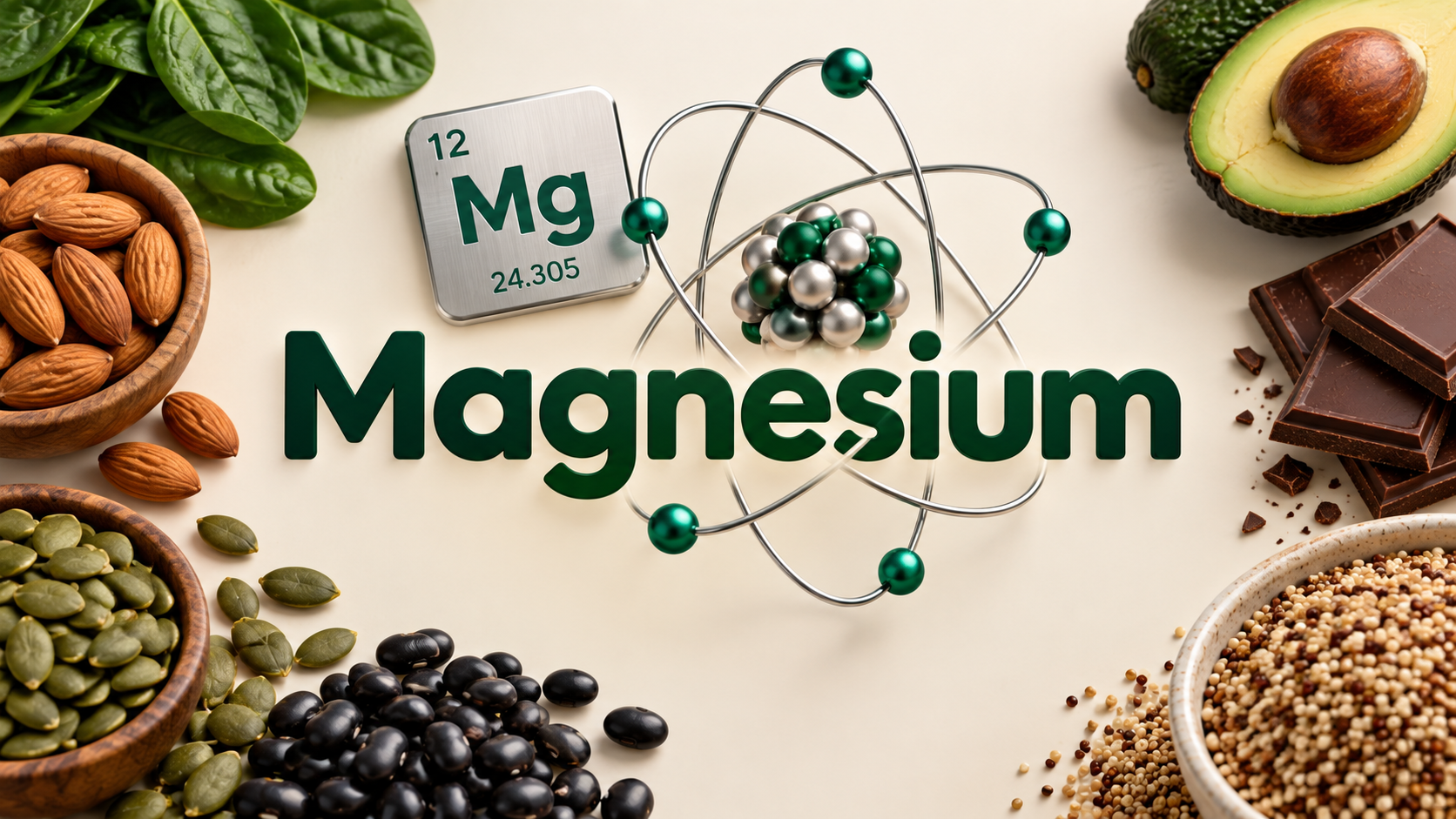
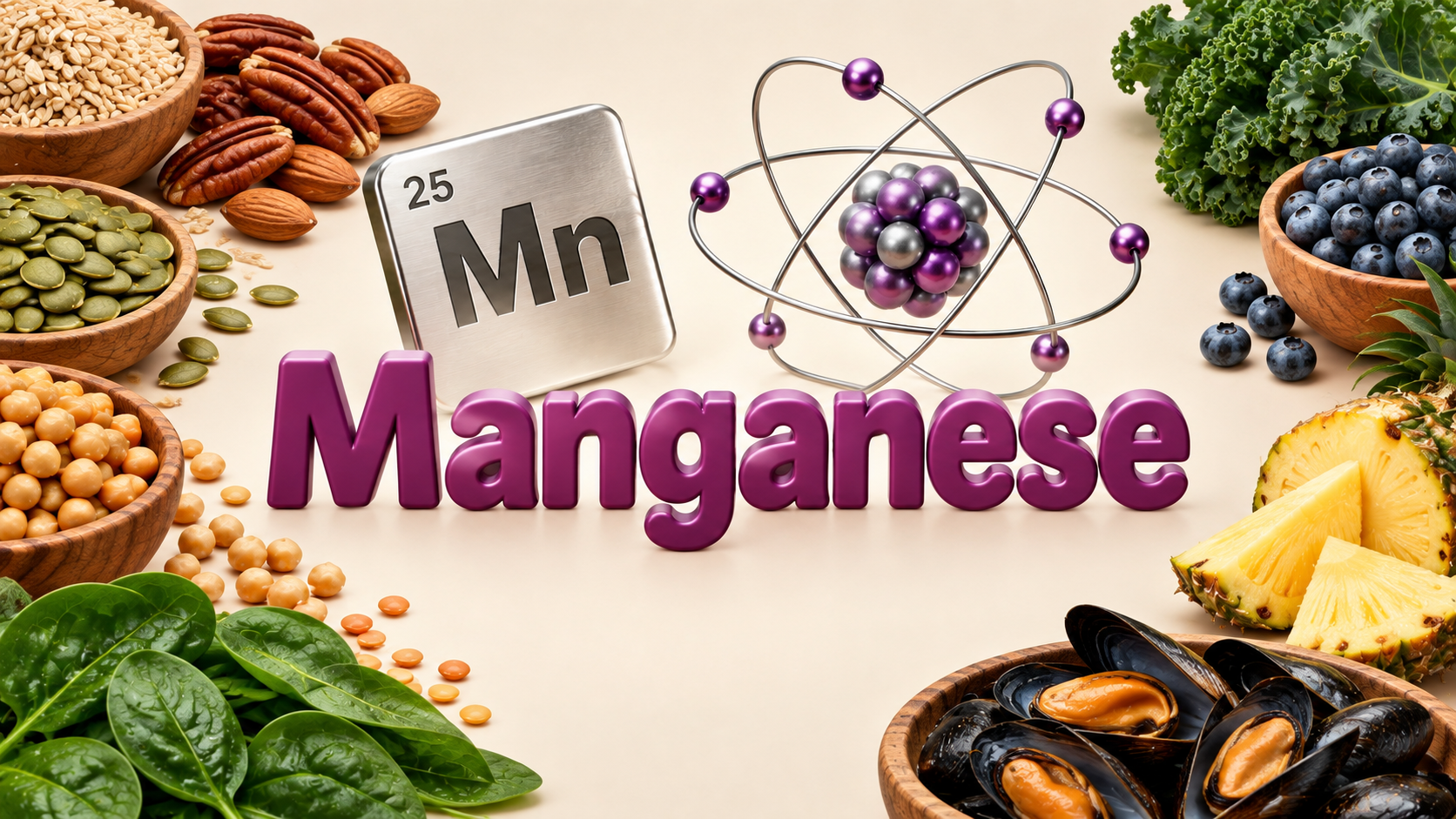
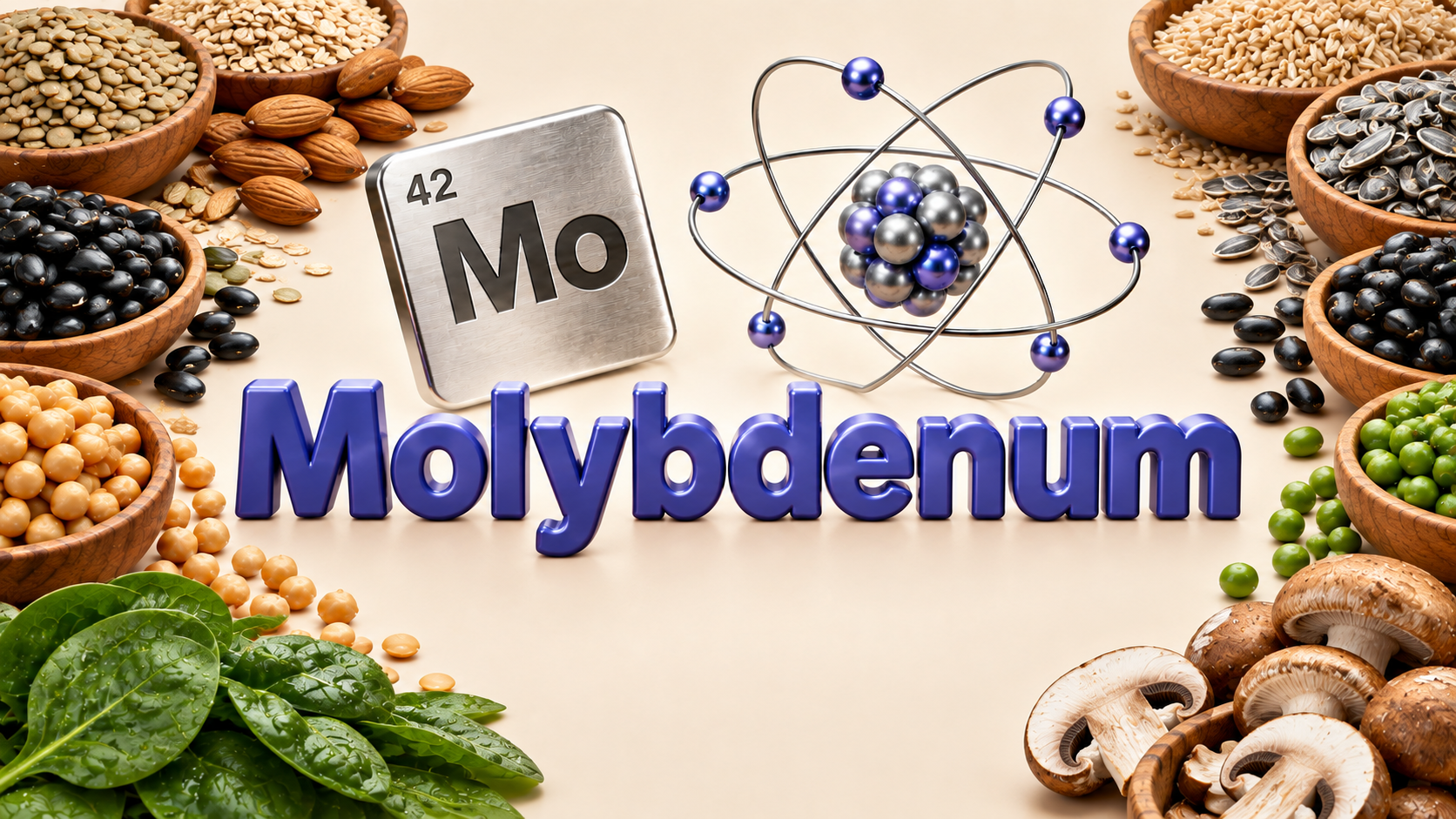
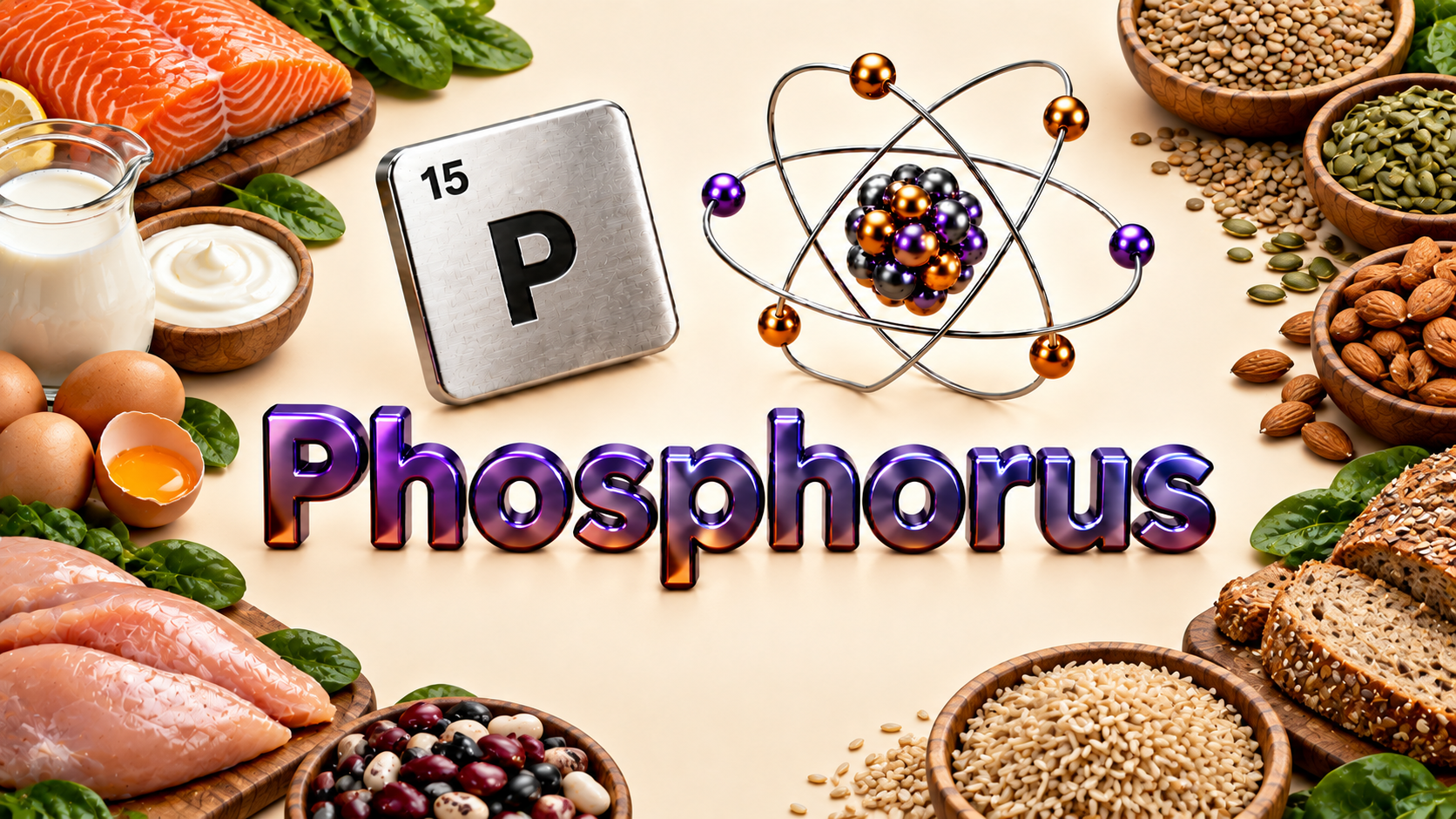
Minerals are usually split into two groups. Major minerals (macrominerals) are needed in amounts of more than about 100 mg a day: calcium, phosphorus, magnesium, sodium, potassium, chloride and sulfur. Trace minerals are needed in much smaller amounts but are just as essential: iron, zinc, copper, iodine, selenium, manganese, chromium, fluoride and molybdenum.
Unlike vitamins, minerals are not made by plants or animals; they come from soil and water, so the amount in a food depends partly on where it was grown.
What it does
- Build and maintain bones and teeth (calcium, phosphorus, magnesium, fluoride)
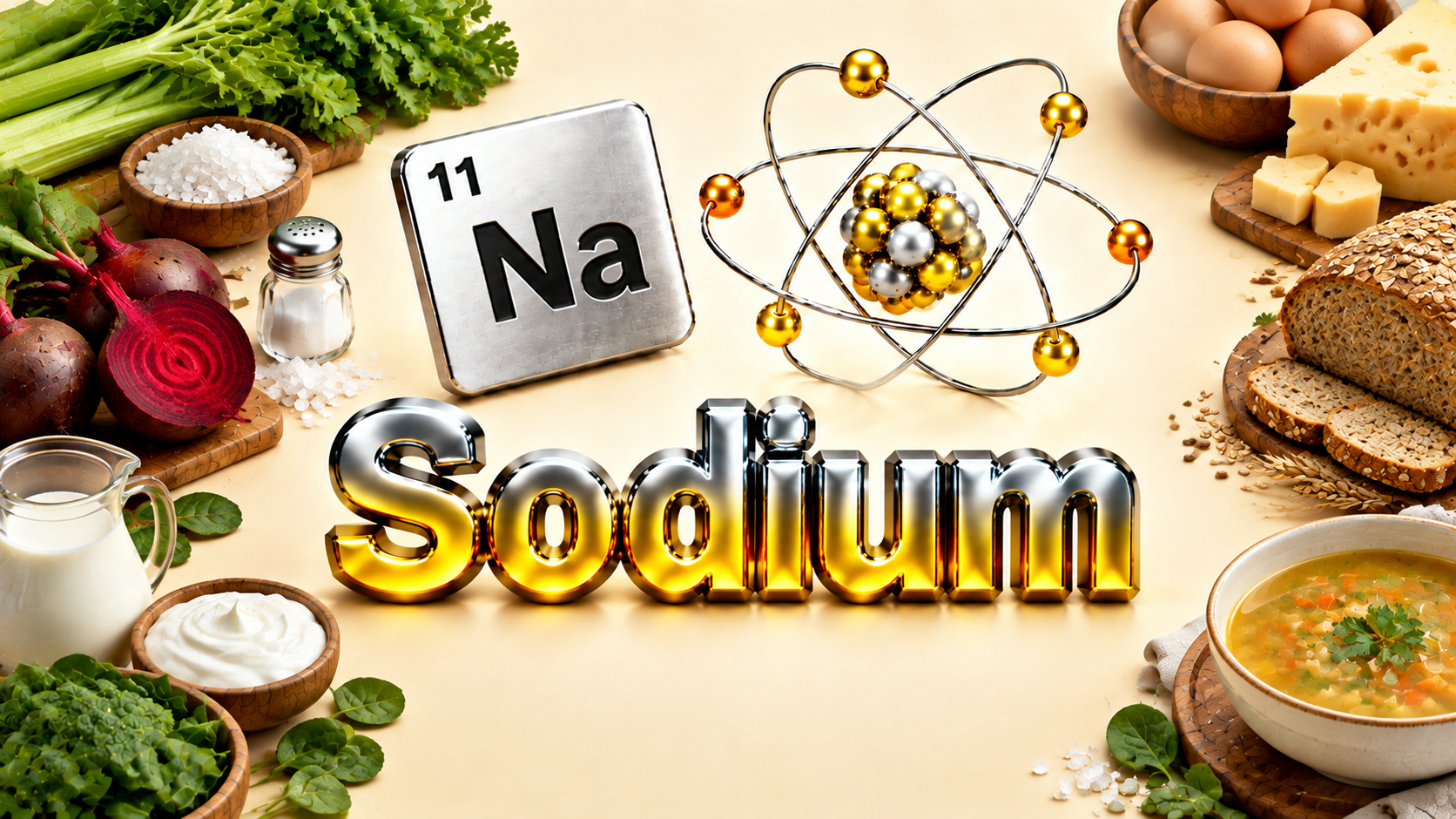
- Balance fluids and keep blood pressure in range (sodium, potassium, chloride)
- Carry nerve signals and make muscles, including the heart, contract (calcium, potassium, magnesium, sodium)
- Carry oxygen and make red blood cells (iron, copper)
- Make thyroid hormones, antioxidant enzymes and immune cells (iodine, selenium, zinc)
Food sources
A varied diet covers most minerals: dairy and calcium-set tofu for calcium, meat, fish and legumes for iron and zinc, vegetables and fruit for potassium and magnesium, nuts and seeds for magnesium, selenium and zinc, and seafood and seaweed for iodine.
Singapore food examples
- Kai lan, chye sim and tofu for calcium and magnesium
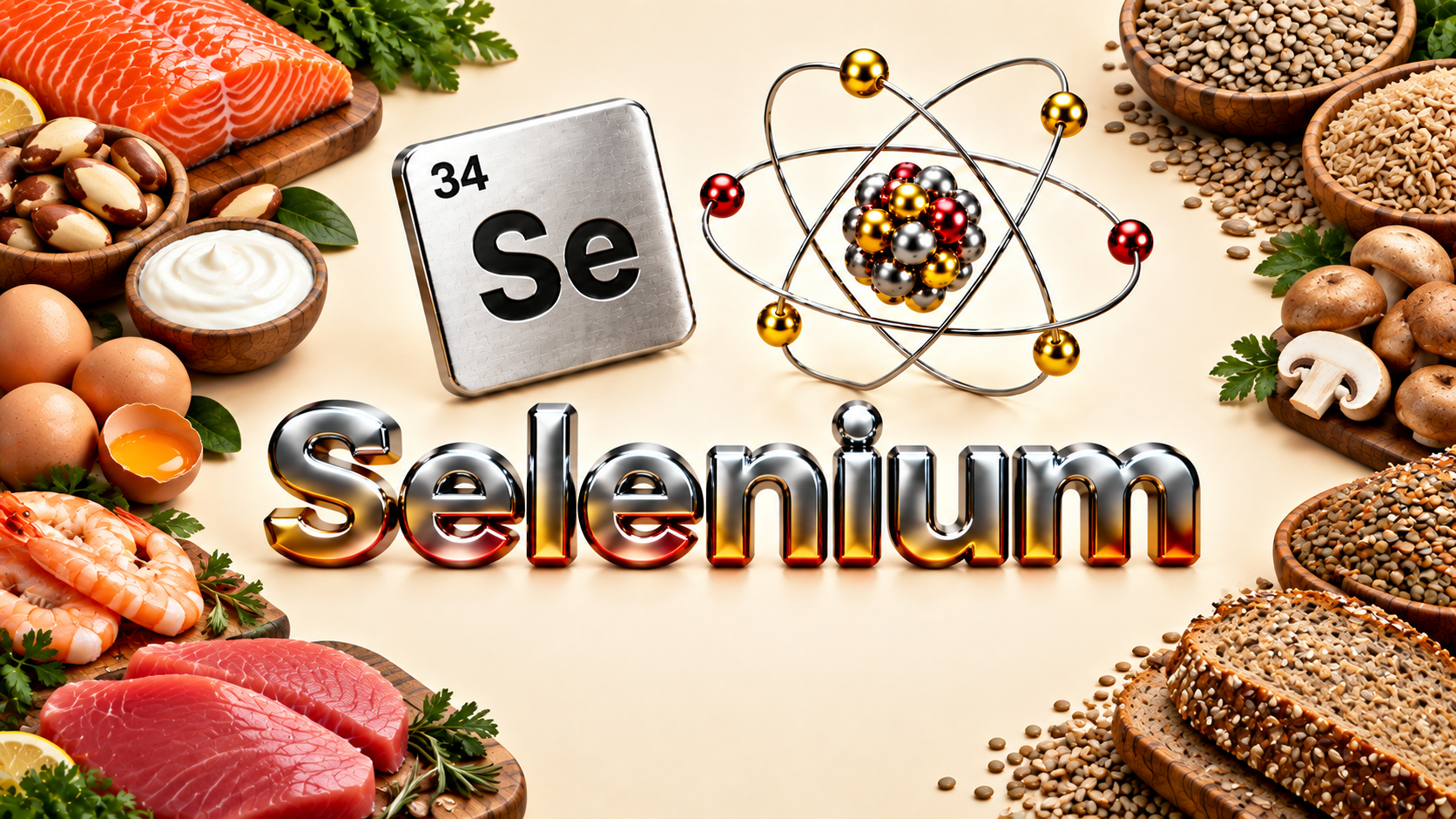
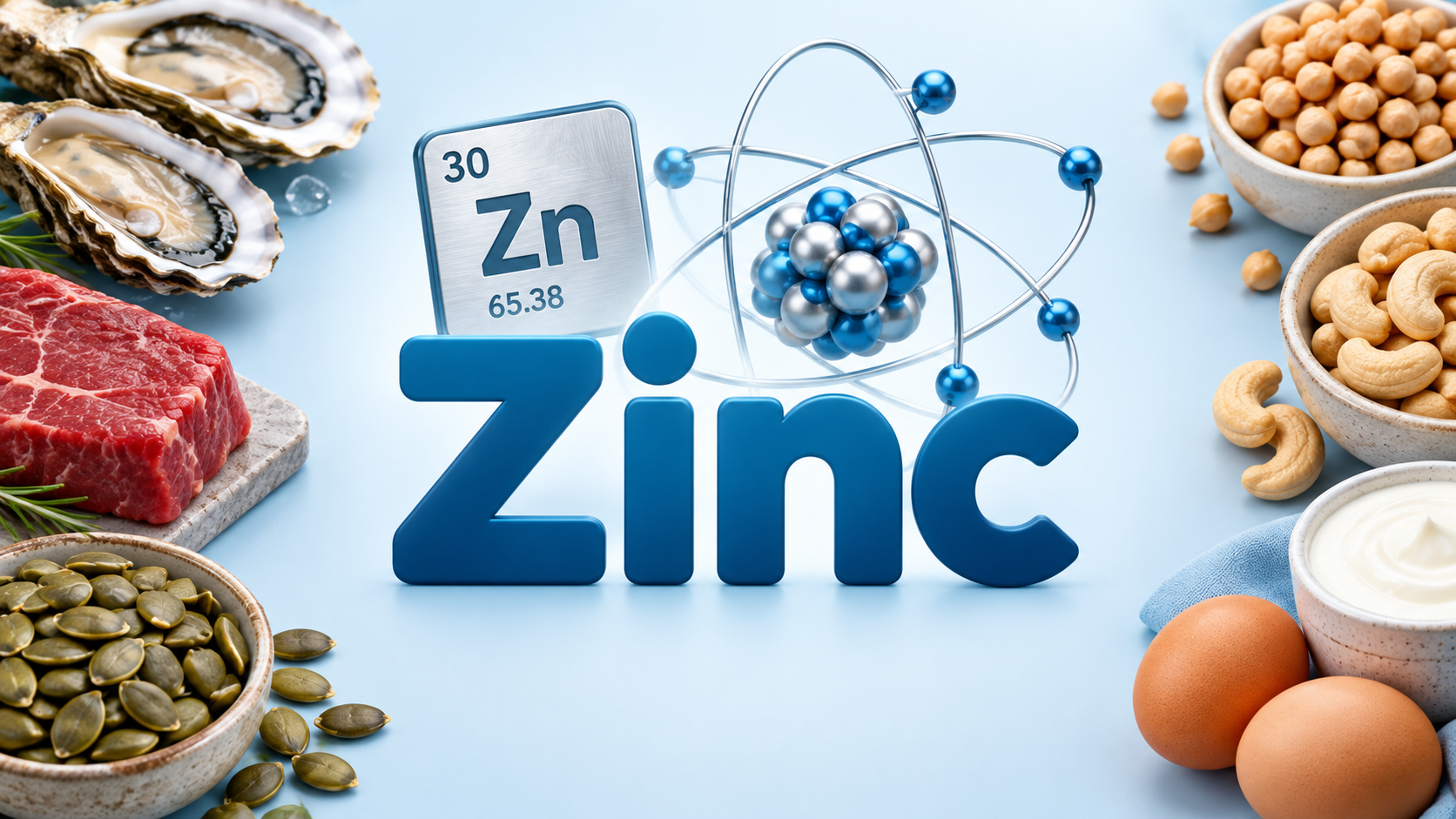
- Fish, shellfish and ikan bilis for zinc, iodine and selenium
- Lean meat, chicken and blood cockles for iron
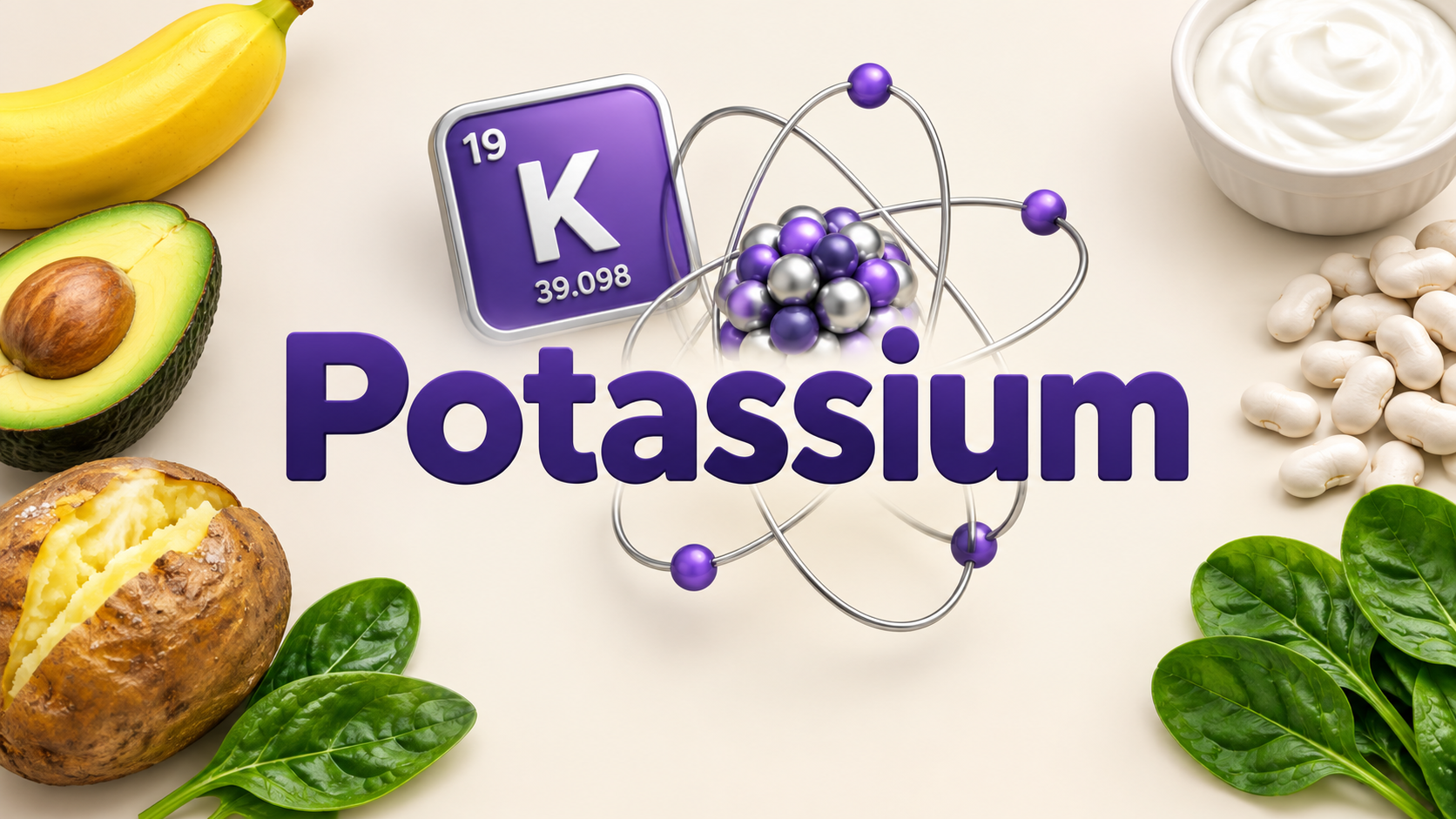
- Bananas, coconut water and sweet potato for potassium
- Wholegrains such as brown rice and oats, and legumes such as dhal and chickpeas, for magnesium
- Salted and sauce-heavy dishes are the main source of excess sodium — taste before adding sauces
How much do I need?
Each mineral has its own recommended intake, listed on its page. Singapore's RDA tables cover calcium and iron among the minerals; see Singapore's age- and sex-specific Recommended Dietary Allowances (HealthHub). Singapore's dietary guidelines add a limit for sodium (less than 5 g of salt a day) — see Singapore's dietary guidelines for adults (HealthHub).
Low intake and deficiency
The minerals most often short in the diet worldwide are iron, zinc, calcium, iodine, magnesium and potassium. Low intake can cause anaemia, poor growth and immunity, weak bones, thyroid problems, muscle cramps and high blood pressure, depending on the mineral.
Groups at higher risk include women who menstruate, pregnant and breastfeeding women, older adults, people on plant-based or very restricted diets, people with digestive conditions, and people who take certain medicines.
Too much and safety
Minerals from food are generally safe, but supplements can overshoot. Many minerals have an upper limit set by health authorities, and they also compete with each other: for example, high-dose zinc can lower copper, and calcium can reduce iron absorption.
Take mineral supplements only when you need them, and tell your doctor or pharmacist about them if you take regular medicines.
Absorption and bioavailability
How much of a mineral you absorb is often much less than what is in the food. Plant compounds such as phytates (in wholegrains and legumes), oxalates (in spinach) and tannins (in tea) bind minerals, while vitamin C and animal protein can help absorption. Soaking, sprouting and fermenting grains and legumes reduce phytates.
Minerals also share absorption routes, so large doses of one can crowd out another.
Connection to daily life
- Exercise: sweat loses sodium, potassium and other minerals; strong bones depend on calcium, vitamin D and weight-bearing activity — see Exercise
- Healthy ageing: bone, muscle and blood health all depend on minerals, and absorption falls with age
- Heart health: lowering sodium and eating enough potassium and magnesium supports healthy blood pressure
- Sleep and stress: magnesium and iron status are among the nutrients linked to restful sleep and energy — see Sleep and Stress
Sources: 1. HealthHub Singapore — Recommended Dietary Allowances: https://www.healthhub.sg/well-being-and-lifestyle/food-diet-and-nutrition/recommended_dietary_allowances 2. HealthHub Singapore — Dietary guidelines for adults: https://www.healthhub.sg/well-being-and-lifestyle/food-diet-and-nutrition/dietary_guidelines_adults 3. Health Promotion Board — Singapore Food Insights Database (SG FoodID): https://www.hpb.gov.sg/healthy-living/food-and-beverage/sgfoodid/ 4. FAO/INFOODS — Food composition tables and databases: https://www.fao.org/food-composition/tables-and-databases/en/
Comments
No comments yet.
Log in to leave a comment.