
The Bedrock of Longevity
In lifestyle medicine, while all six pillars work together in synergy, optimal nutrition is widely recognized as the fundamental bedrock for health, disease prevention, and longevity.
Here is a detailed look at why nutrition holds this central role, how dietary choices shape our health span, and what traditional "old recipes" and eating patterns teach us about living longer.
- Why Nutrition is So Important: The #1 Driver of Health and Longevity
Nutrition is unique among health behaviors because it is a daily biological necessity—everyone must eat every day to survive. Every bite taken either nourishes the body or contributes to cellular dysfunction and chronic disease. - The Leading Cause of Mortality: Landmark public health studies revealed that dietary risk factors have overtaken tobacco use as the single leading cause of premature death and chronic illness worldwide.
- Addressing the Root Cause: Poor diet quality directly fuels the global epidemic of non-communicable conditions, including cardiovascular disease, type 2 diabetes, high blood pressure, and obesity.
- Targeting Chronic Disease: Therapeutic lifestyle changes centered on food quality can impact up to 80% of chronic conditions, helping not only to prevent and manage them, but in many cases, to reverse high blood pressure, hyperlipidemia, and type 2 diabetes.
- Diet Quality: Modern SAD vs. Whole-Food, Plant-Predominant Eating
The type of diet consumed dictates whether food acts as medicine or as a driver of disease: - The Standard American Diet (SAD): Modern diets rely heavily on fast food, ultra-processed products, refined sugars, sodas, and excessive saturated fats. This pattern promotes chronic systemic inflammation, metabolic dysfunction, artery-clogging plaque, and premature cardiovascular events.
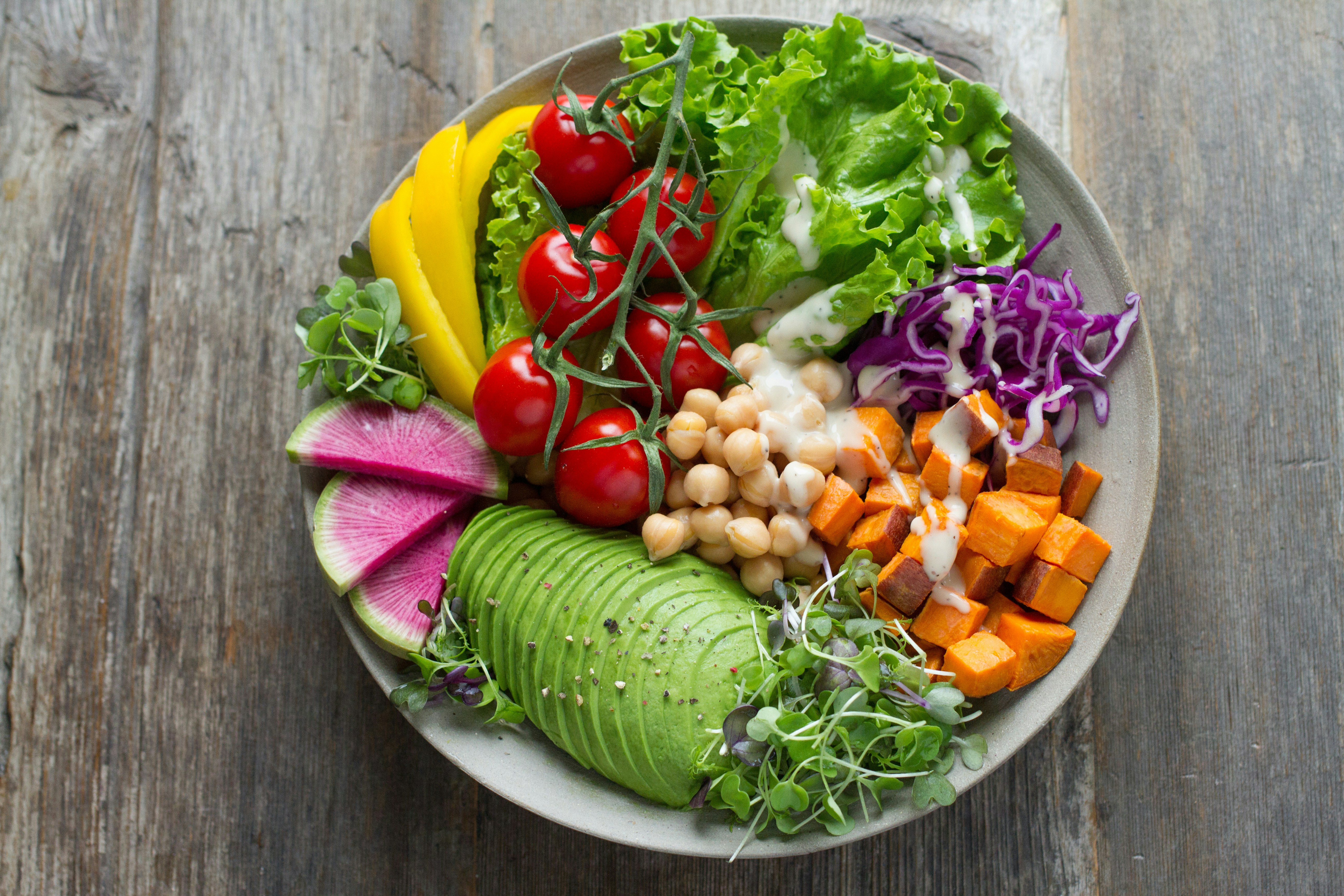
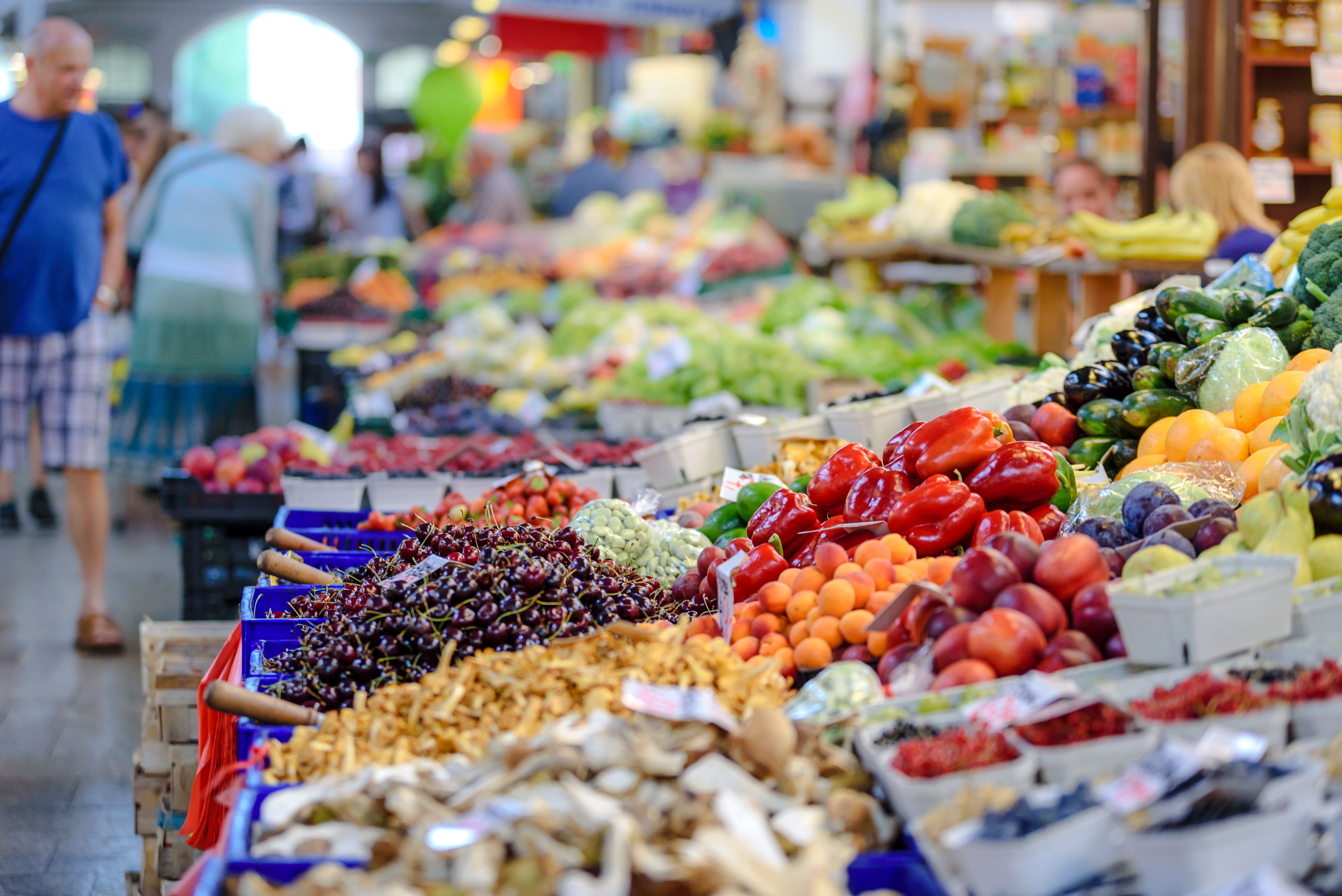
- The Lifestyle Medicine Standard: The American College of Lifestyle Medicine (ACLM) and global health organizations recommend an eating pattern based predominantly on minimally processed whole foods: a colorful variety of vegetables, fruits, whole grains, legumes (beans, lentils, peas), nuts, and seeds.
- The Wisdom of "Old Recipes" and Traditional Eating (Blue Zones)
Looking back at traditional lifestyles reveals why modern chronic diseases were far less prevalent in the past: - Fresh, Unprocessed Ingredients: Traditional "old recipe" cooking relied on fresh produce, whole grains, and legumes cultivated directly from local farms rather than shelf-stable ultra-processed packages.
- The Blue Zones Blueprint: Researchers studying global longevity hot spots—such as Sardinia (Italy), Okinawa (Japan), Ikaria (Greece), Nicoya (Costa Rica), and Loma Linda (California)—found that populations with the highest concentration of healthy centenarians share key dietary habits:
- "Plant Slant": Their traditional recipes feature whole, plant-predominant ingredients.
- The 80% Rule: Rather than overeating, traditional cultures practice eating until they are 80% full, avoiding the overconsumption common in modern buffets and oversized portions.
- Minimal Impaired Life Years: Because of these nourishing habits, individuals in Blue Zones live well past 100 with independence, vitality, and minimal years spent disabled by chronic illness.
- Why Nutrition Is the Most Essential Pillar for Overall Health
While physical movement, restorative sleep, stress management, social connection, and substance avoidance are all vital, nutrition serves as the fuel that powers every other physiological process - Immune Protection: Nutrient-dense diets rich in micronutrients (such as vitamins C, D, E, zinc, and omega-3 fatty acids from walnuts, seeds, and legumes) strengthen T-cells and natural killer cells, boosting internal defenses against viral infections and illnesses.
- Synergy with Movement & Sleep: A clean, whole-food diet stabilizes blood sugar and hormone regulation, preventing energy crashes, improving sleep quality, and providing the stamina needed for regular exercise.
- Cardiovascular Defense: Global research (such as the landmark INTERHEART study spanning 52 countries) proved that daily intake of fruits and vegetables is universally protective against heart attacks across all ages and demographics.
By shifting away from ultra-processed food and embracing wholesome, plant-rich traditional meals, every bite becomes an investment in a longer, vibrant, and disease-free health span.
https://lifestylemedicine.org/about-lifestyle-medicine/ https://www.bluezones.com/ https://www.lifestylemedicine.org.sg/lifestyle-medicine https://execonline.hms.harvard.edu/wellness-and-nutrition

Comments
No comments yet.
Log in to leave a comment.