
What Are Vitamins?
Vitamins are organic compounds needed in small amounts for normal growth, development, and body function. They do not provide calories like carbohydrate, protein, and fat, but they enable many of the body’s chemical processes that use those macronutrients.
Most vitamins must come from food because the body either cannot make them or cannot make enough to meet needs. Vitamin D is an important exception: the body can make it in the skin after sun exposure, but few foods naturally contain much vitamin D, so dietary sources and fortified foods can still be important.
HealthHub describes recommended dietary allowances as daily nutrient levels designed to meet the needs of nearly all healthy people in a given age and sex group. Individual needs can change with life stage, pregnancy, older age, health conditions, dietary pattern, and medication use.
Why Vitamins Matter
Vitamins work together with minerals, protein, fats, carbohydrates, water, sleep, physical activity, and overall dietary quality. They are important for:
- Energy metabolism: B vitamins help the body convert food into usable energy.
- Immune function: vitamins A, C, D, and others contribute to normal immune-system function.
- Vision and skin: vitamin A supports normal vision and the maintenance of tissues
- Blood and nerves: folate, vitamin B6, and vitamin B12 are important for blood-cell formation and nervous-system functions.
- Bones and muscles: vitamins D and K support bone-related processes; vitamin D also helps the body use calcium.
- Antioxidant protection: vitamins C and E act in antioxidant-related roles, helping protect cells from oxidative damage.
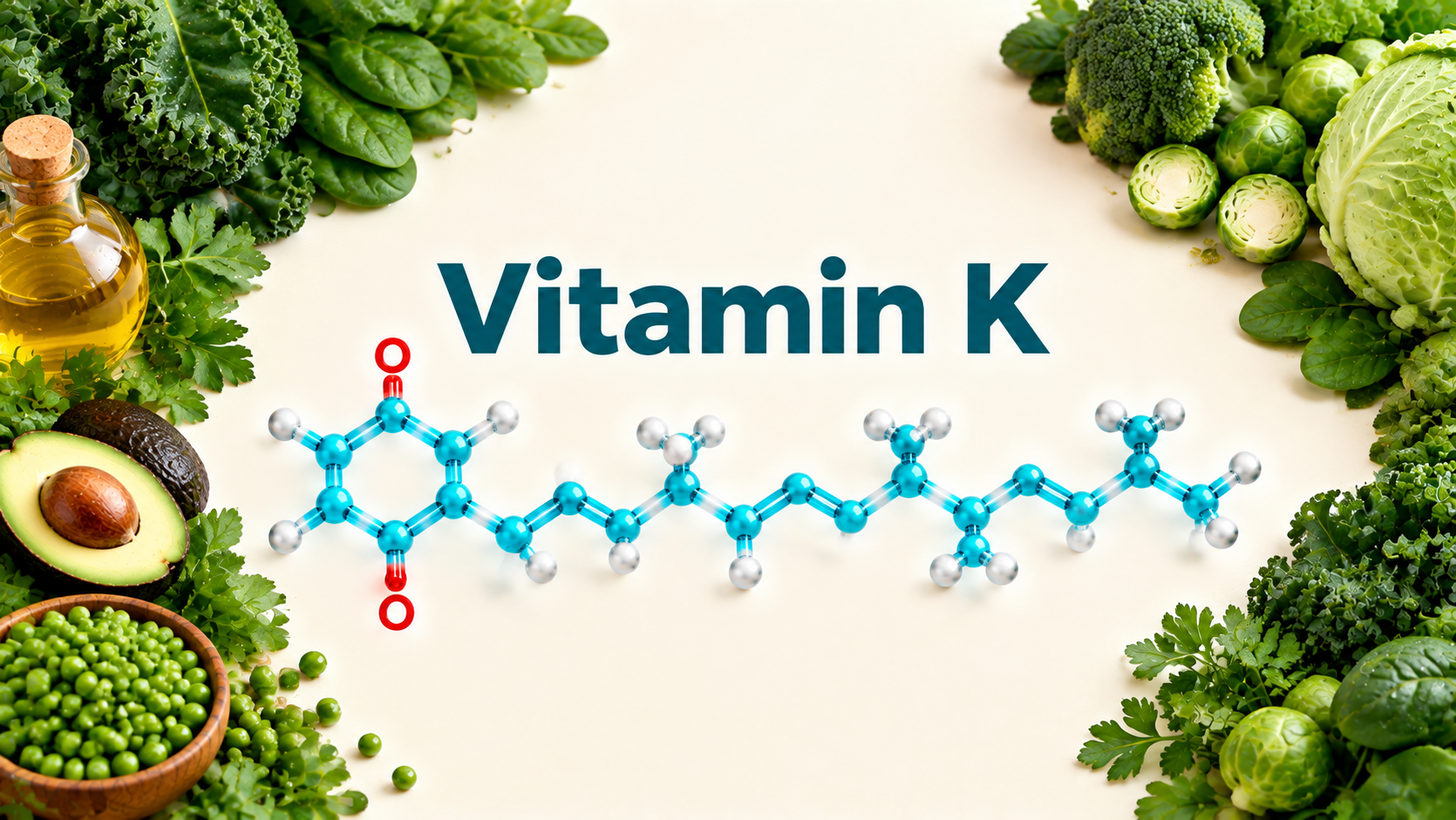
- Blood clotting: vitamin K is required for normal blood clotting.
A single supplement cannot replace a balanced diet. Singapore’s HealthHub promotes practical eating patterns built around balanced meals, wholegrains, vegetables, fruit, and protein foods to support healthier food choices and lifestyle goals.
Vitamin Groups
Vitamins are generally divided into fat-soluble and water-soluble groups.
Group | Vitamins | Key point |
|---|---|---|
Fat-soluble | A, D, E, K | Absorbed with dietary fat and can be stored in the body; excessive supplemental intakes may be harmful. |
Water-soluble | Vitamin C and the B vitamins | The body stores many of these to a lesser extent, so regular food intake is important; vitamin B12 is a notable exception because body stores can last longer. |
Main Vitamins at a Glance
Vitamin | Important roles | Food examples | Deficiency may contribute to |
|---|---|---|---|
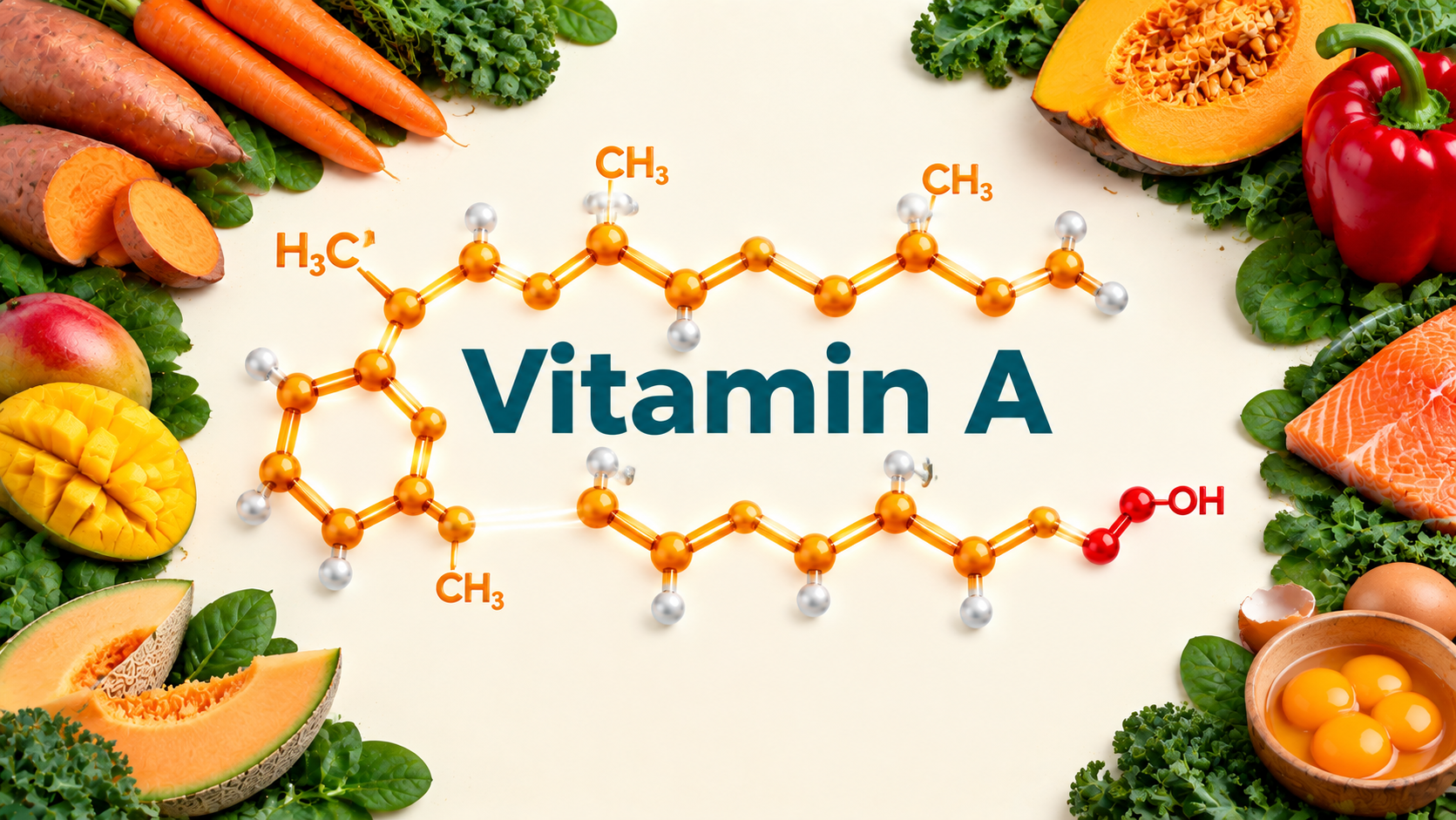
Vitamin A | Vision, immune function, skin and tissue maintenance | Dark-green leafy vegetables, carrots, pumpkin, sweet potato, eggs, dairy, liver | Night blindness and impaired immune function; severe deficiency can damage vision. |
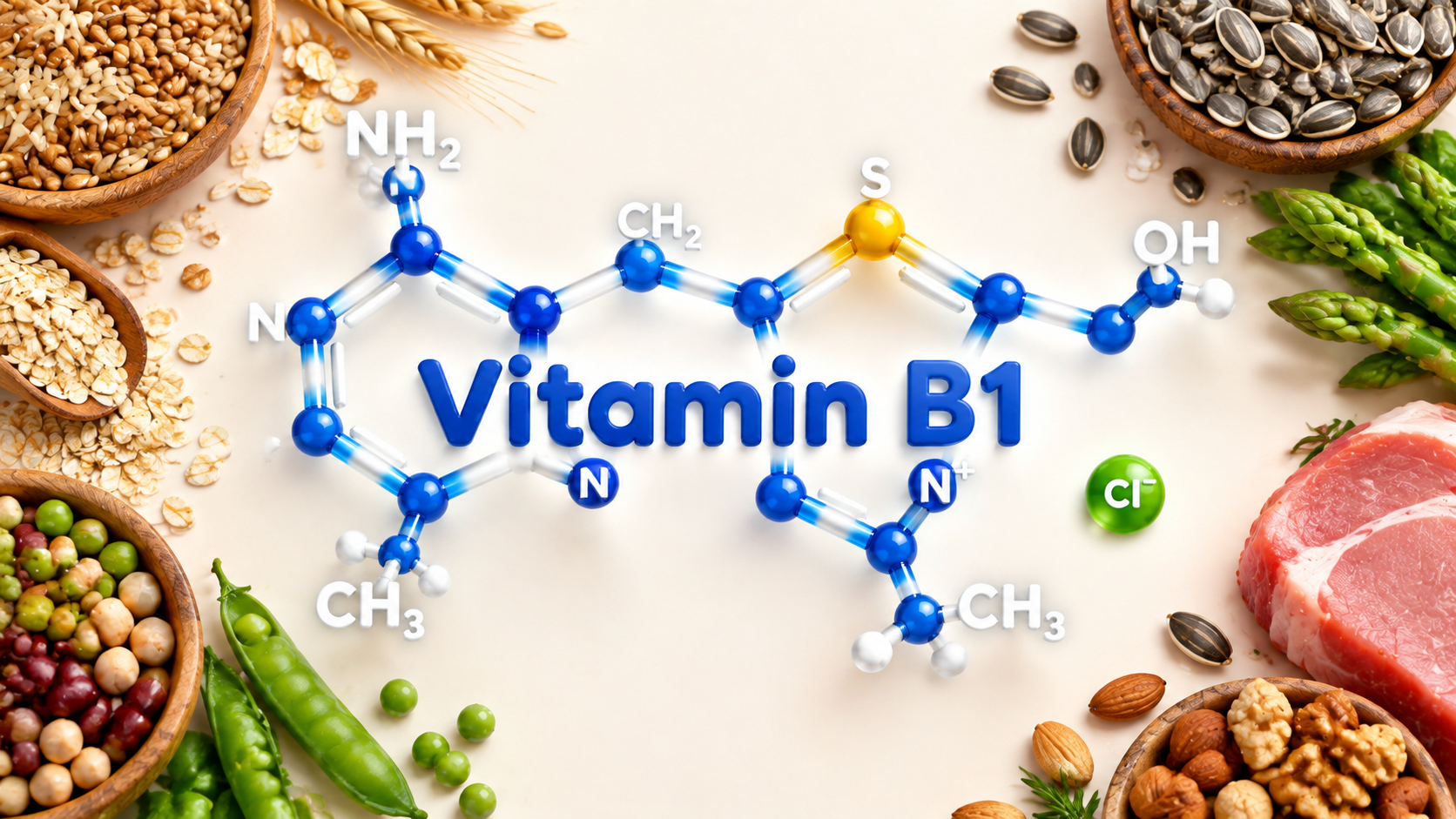
Vitamin B1 (thiamin) | Energy metabolism and nerve function | Whole grains, pork, fish, legumes, nuts, seeds | Fatigue, nerve symptoms, and in severe cases beriberi. |
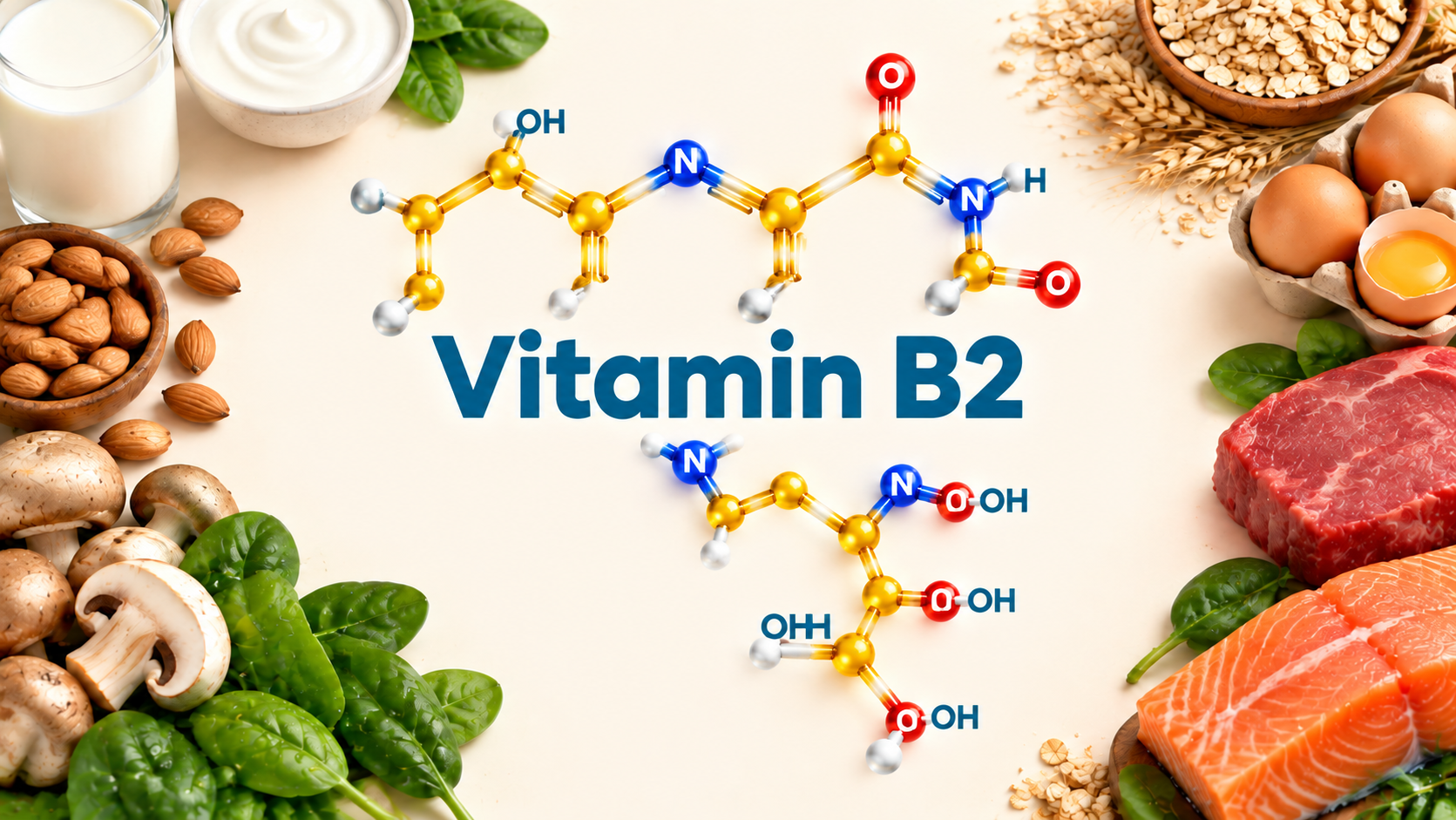
Vitamin B2 (riboflavin) | Energy production and cell function | Milk, yoghurt, eggs, lean meat, fish, fortified grains | Mouth and skin changes, sore throat, and fatigue-related symptoms. |
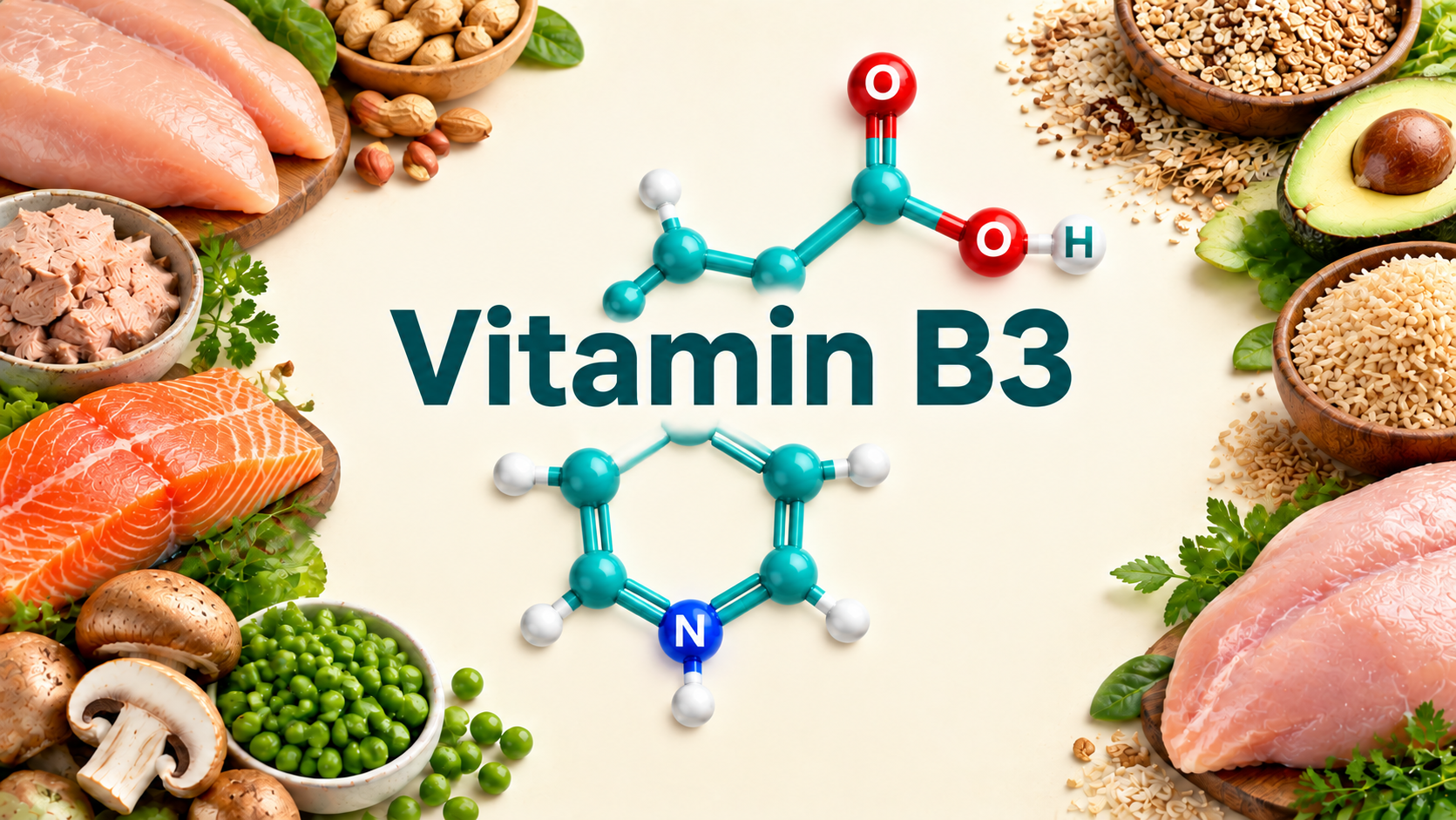
Vitamin B3 (niacin) | Energy metabolism and cell development | Poultry, fish, meat, peanuts, legumes, whole grains | Pellagra in severe deficiency, with skin, digestive, and neurological symptoms. |
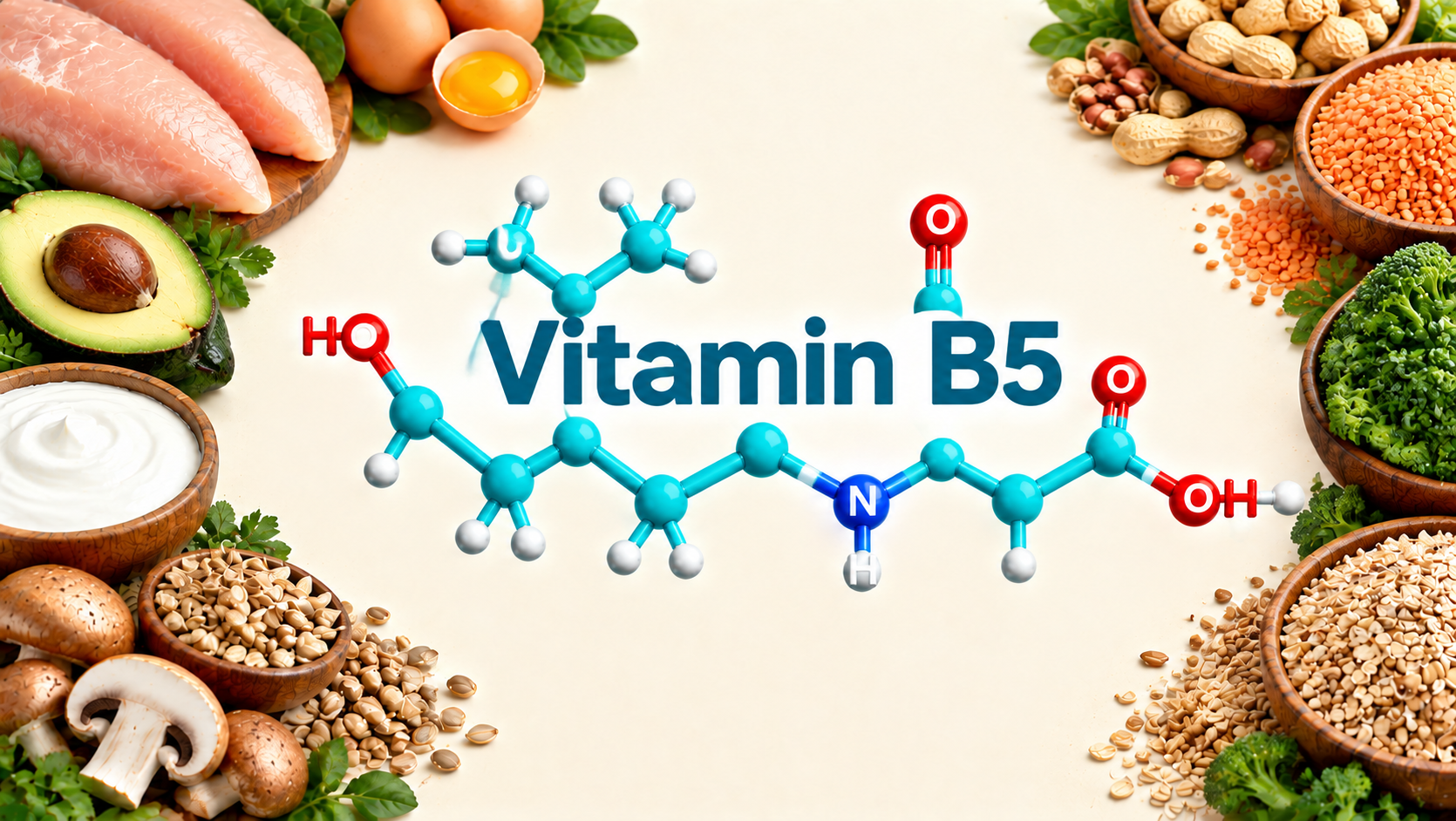
Vitamin B5 (pantothenic acid) | Converts food into energy and supports metabolism | Widely found in foods, including meat, eggs, legumes, and whole grains | Deficiency is rare but may cause fatigue, numbness, or burning sensations. |
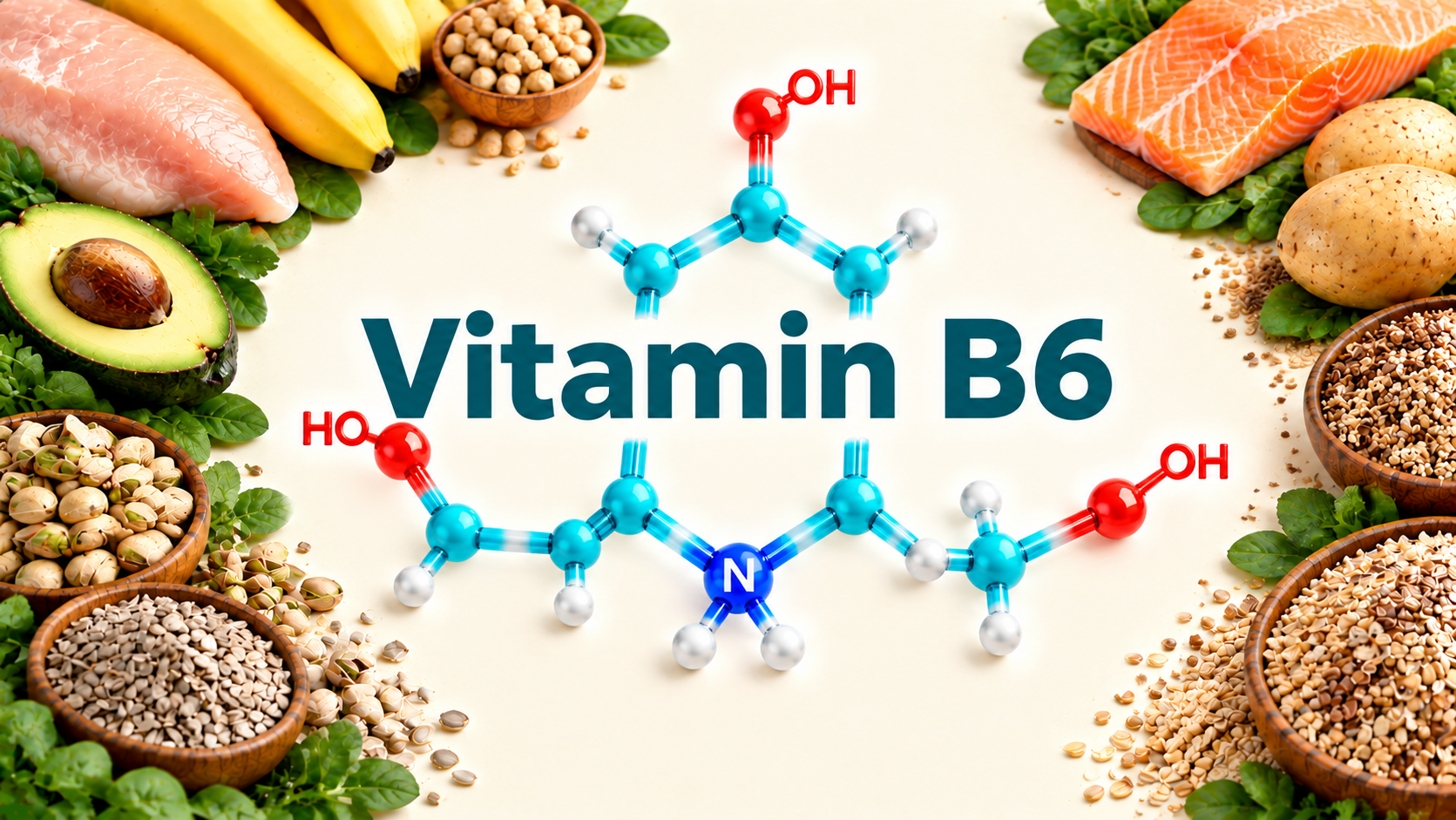
Vitamin B6 | Protein metabolism, red blood cells, nervous and immune systems | Poultry, fish, potatoes, bananas, chickpeas, fortified cereals | Anaemia, skin changes, confusion, or nerve symptoms in significant deficiency. |
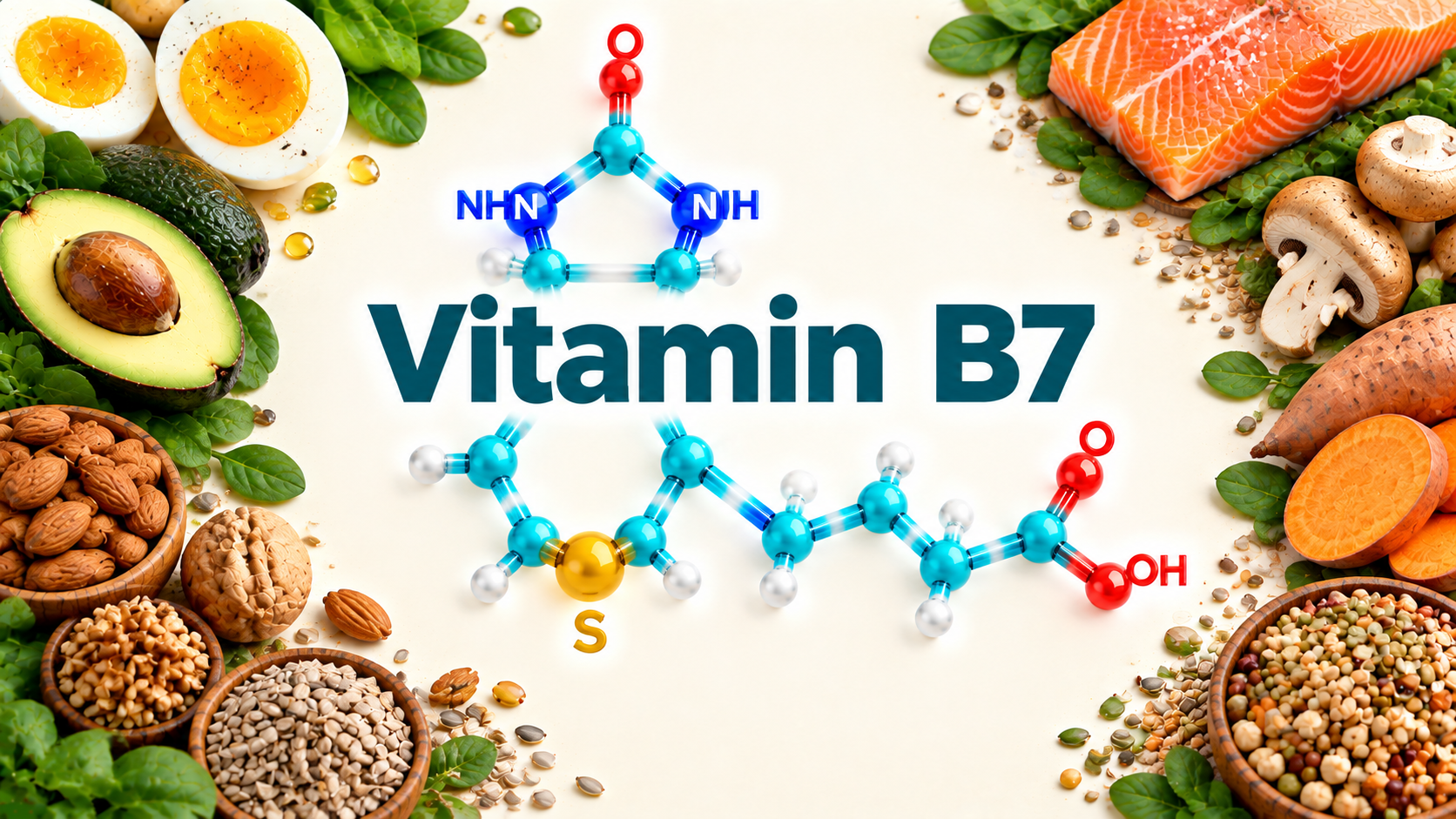
Vitamin B7 (biotin) | Helps metabolise fats, carbohydrates, and protein | Eggs, salmon, nuts, seeds, legumes | Rare; may cause skin rash, hair thinning, and neurological symptoms. |
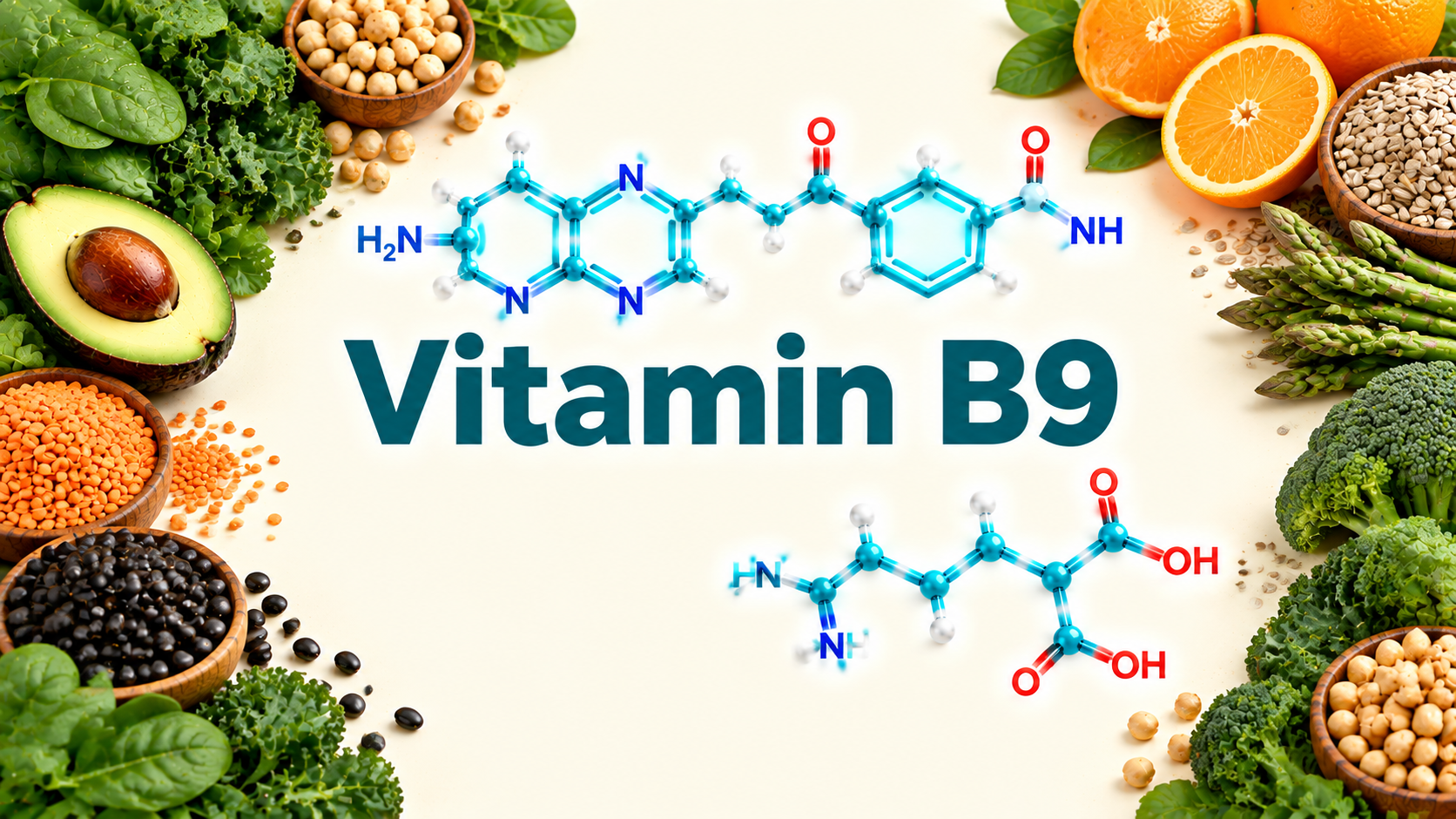
Vitamin B9 (folate) | DNA synthesis and red blood-cell formation; especially important before and during pregnancy | Leafy greens, legumes, citrus, fortified grains | Megaloblastic anaemia; inadequate intake around conception increases the risk of neural-tube defects. |
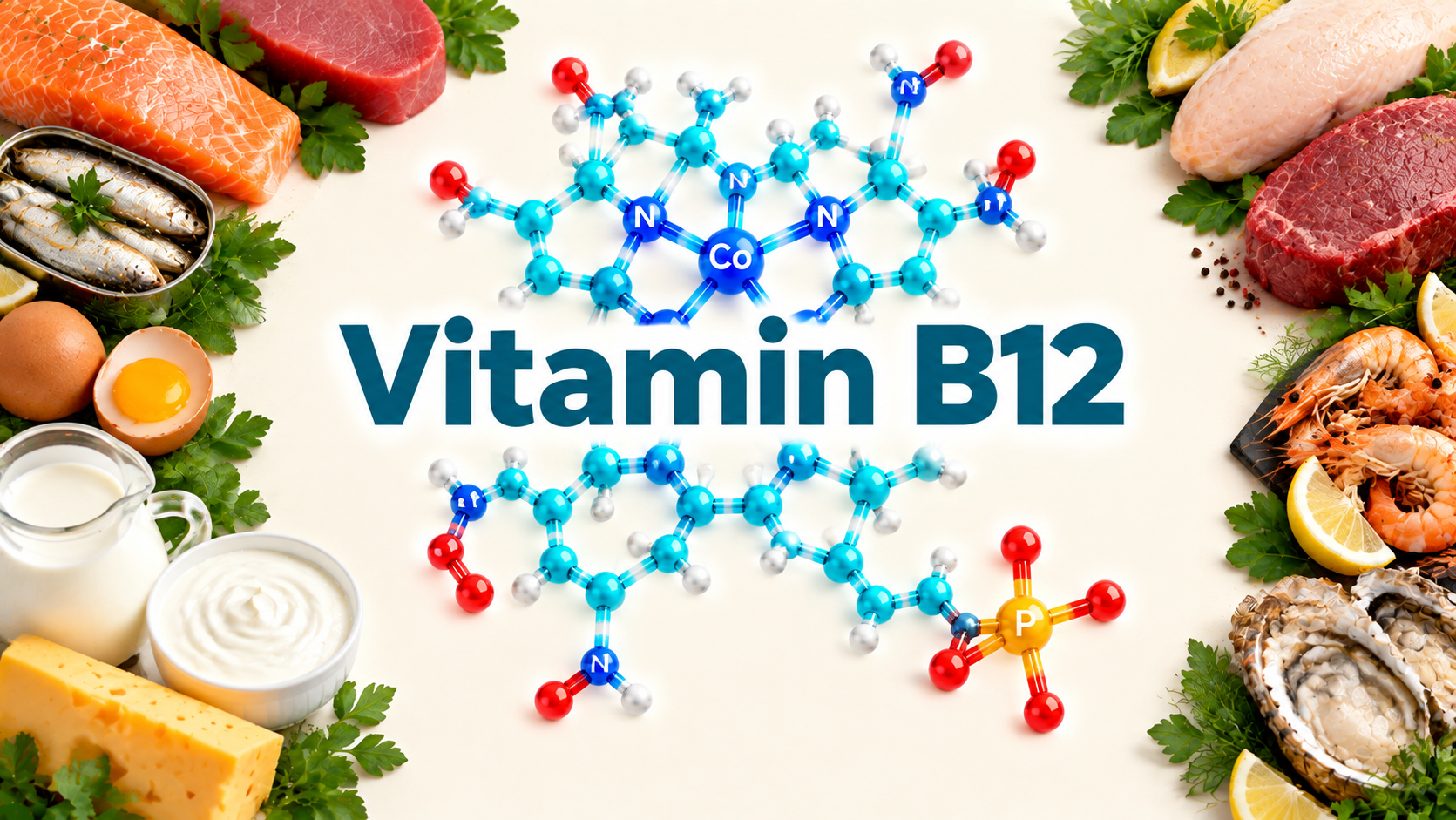
Vitamin B12 (cobalamin) | Red blood cells, DNA synthesis, and nerve function | Fish, meat, eggs, milk, dairy, fortified foods | Megaloblastic anaemia, numbness, tingling, balance difficulty, and potentially lasting nerve damage if untreated. |
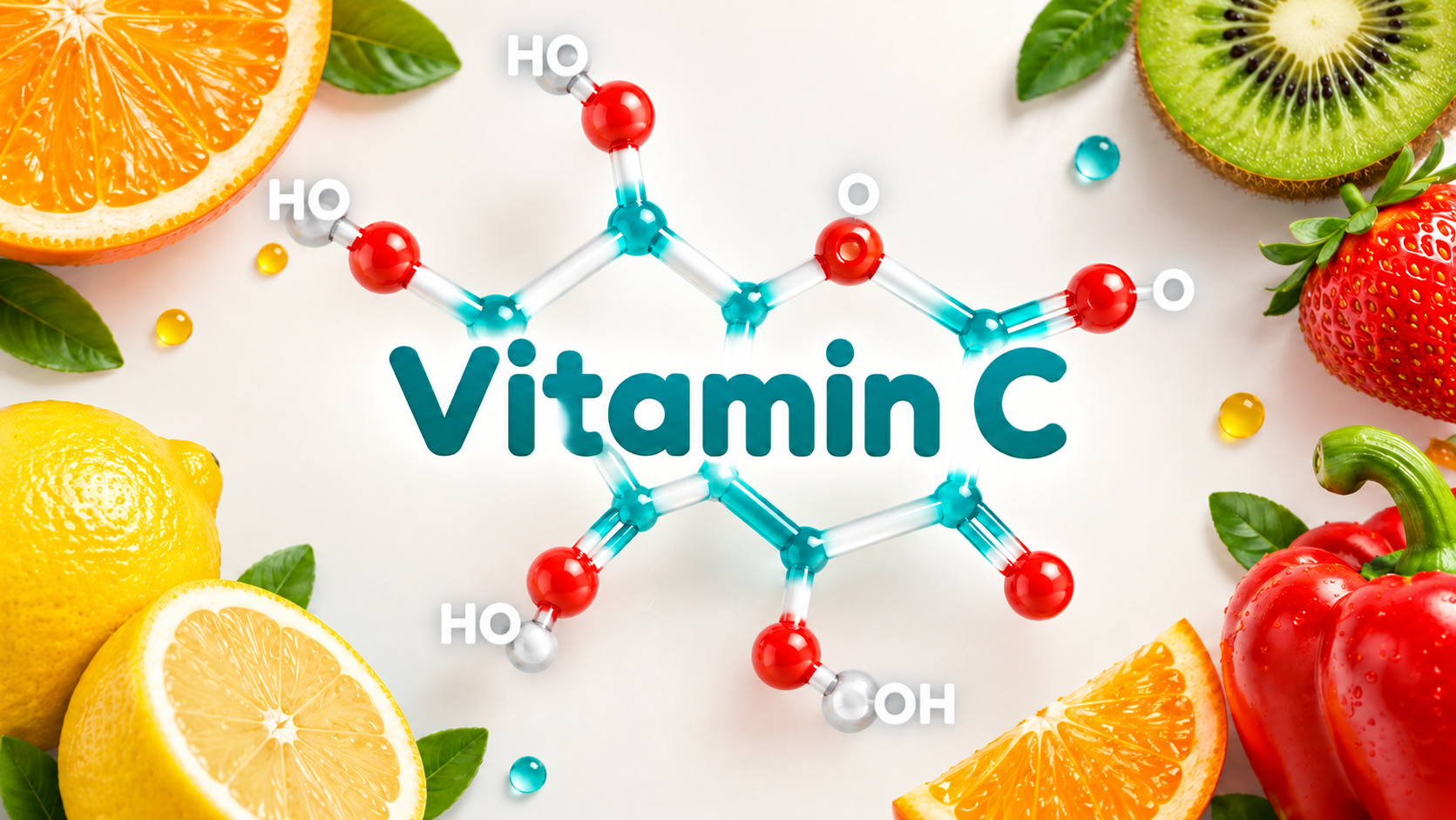
Vitamin C | Collagen formation, wound healing, antioxidant activity, iron absorption, immune support | Citrus, guava, kiwi, berries, capsicum, broccoli, tomatoes | Scurvy in severe deficiency, including fatigue, gum problems, bruising, and poor wound healing. [ods.nih] |
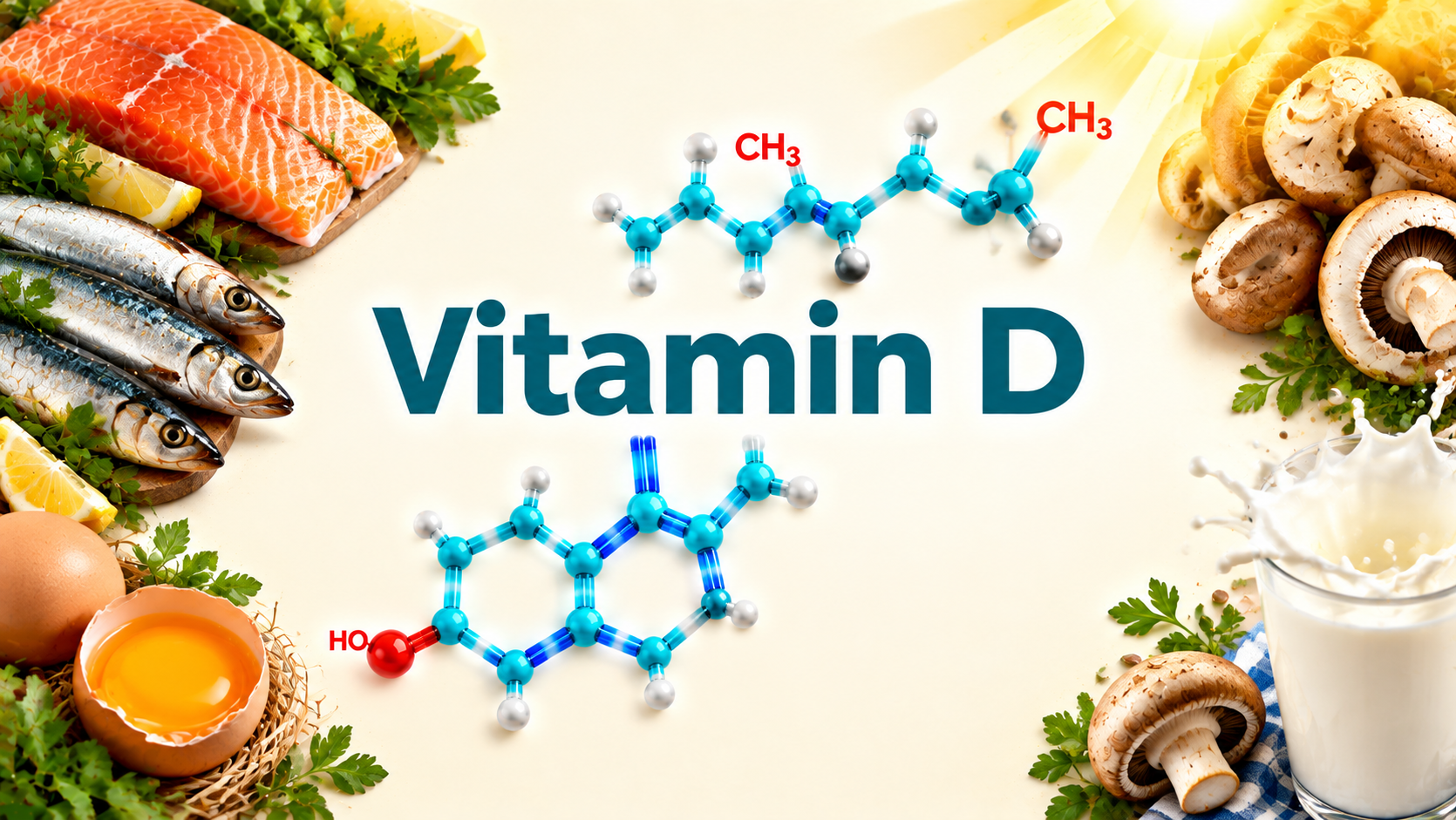
Vitamin D | Calcium absorption, bone health, muscle and immune function | Sun exposure, oily fish, eggs, fortified milk and plant alternatives | Rickets in children, osteomalacia in adults, and increased risk of poor bone health. |
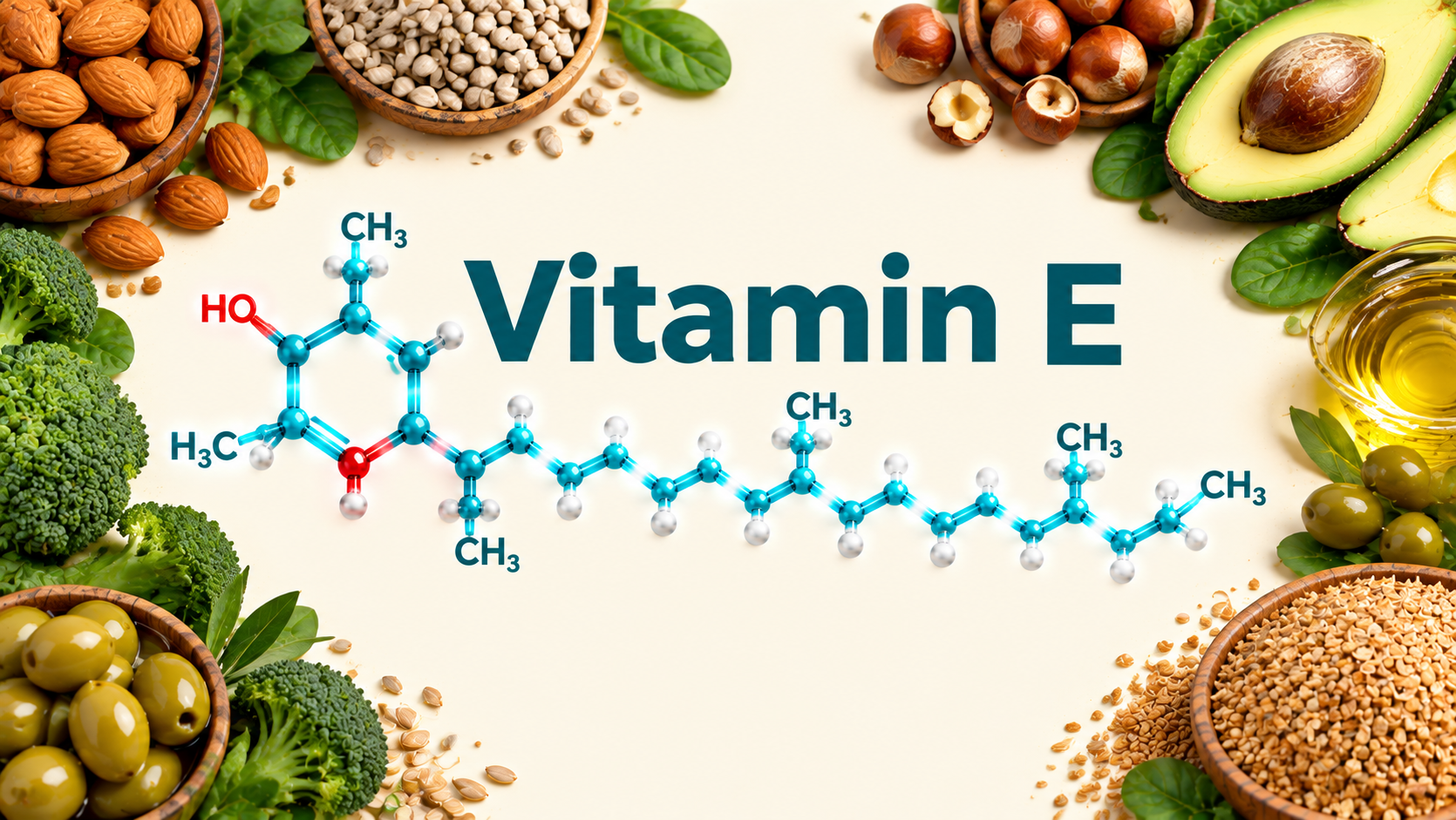
Vitamin E | Antioxidant-related protection of cells | Vegetable oils, almonds, sunflower seeds, spinach, broccoli | Rare; severe deficiency can affect nerves, muscles, vision, and immune function. |
Vitamin K | Normal blood clotting and bone-related proteins | Green leafy vegetables, broccoli, cabbage, some vegetable oils | Easy bruising and abnormal bleeding. |
Deficiency and Health
Vitamin deficiency usually develops when intake is too low for a prolonged period, but it can also occur when the body cannot absorb or use nutrients properly. Risk may be higher with highly restrictive diets, low food intake, alcohol misuse, digestive disorders, older age, pregnancy, certain medicines, or after some gastrointestinal surgeries.
Symptoms such as persistent tiredness, weakness, pale skin, numbness, frequent mouth sores, unexplained bruising, bone pain, poor night vision, or slow wound healing have many possible causes. They should not be self-diagnosed as a vitamin deficiency; a clinician can assess diet, health history, medication use, and—where appropriate—blood tests.
In Singapore, the Ministry of Health encourages proactive health management and timely, appropriate healthcare. Seek professional advice rather than relying on high-dose supplements when symptoms are ongoing, severe, or unexplained.
Food First
A “food first” approach means meeting nutrient needs mainly through varied meals. Whole foods provide vitamins alongside protein, fibre, minerals, essential fats, fluid, and plant compounds that supplements do not fully reproduce.
Practical ways to support vitamin intake include:
- Eat vegetables and fruit in a range of colours each day.
- Choose wholegrains such as brown rice, oats, wholemeal bread, and wholegrain noodles more often.
- Include protein foods such as fish, eggs, dairy, tofu, tempeh, beans, lentils, nuts, and seeds.
- Include vitamin C-rich foods such as citrus, guava, kiwi, berries, capsicum, broccoli, and tomatoes.
- Include dark-green leafy vegetables for nutrients including folate and vitamin K.
- Include vitamin B12 sources from animal foods or reliable fortified foods; people following a vegan diet should plan a dependable B12 source.
- Choose fortified foods where useful, particularly for vitamin D or B12, depending on dietary pattern and individual need
Connection to Other Pillars
Vitamins do not work in isolation. Their role in health is closely linked with the other pillars of lifestyle medicine, including nutrition, physical activity, sleep, stress management, social wellbeing, and appropriate medical care.[ods.nih]
A vitamin-rich eating pattern supports the body best when it is part of a broader healthy lifestyle. Whole foods provide vitamins together with protein, fibre, minerals, essential fats, and phytonutrients, while movement, rest, and daily habits influence how well the body uses these nutrients.
- Nutrition: A balanced diet remains the main foundation for adequate vitamin intake, especially through vegetables, fruit, wholegrains, legumes, nuts, seeds, dairy or fortified alternatives, eggs, fish, and other minimally processed foods.
- Exercise: Physical activity increases the body’s need for recovery, tissue maintenance, and energy metabolism, all of which depend on adequate overall nutrition, including vitamins and minerals.
- Sleep: Good sleep supports appetite regulation, hormonal balance, recovery, and healthy daily routines, which in turn affect food choice and nutrient adequacy
- Stress management: Ongoing stress can affect appetite, meal patterns, digestion, and food choices, making it harder to maintain consistent nutrient intake.
- Health conditions and medical care: Some illnesses, medicines, digestive disorders, and life stages can affect vitamin needs, absorption, or status, so vitamins should be understood as part of a wider health context rather than as isolated nutrients.
This helps position vitamins as one part of a connected health system: food quality, physical activity, sleep, stress care, and preventive healthcare all work together to support wellbeing
https://www.healthhub.sg/well-being-and-lifestyle/food-diet-and-nutrition https://ods.od.nih.gov/factsheets/list-all/ https://www.moh.gov.sg/
Comments
No comments yet.
Log in to leave a comment.