Also known asBrassica oleracea var. italica · 西兰花 · 西蓝花
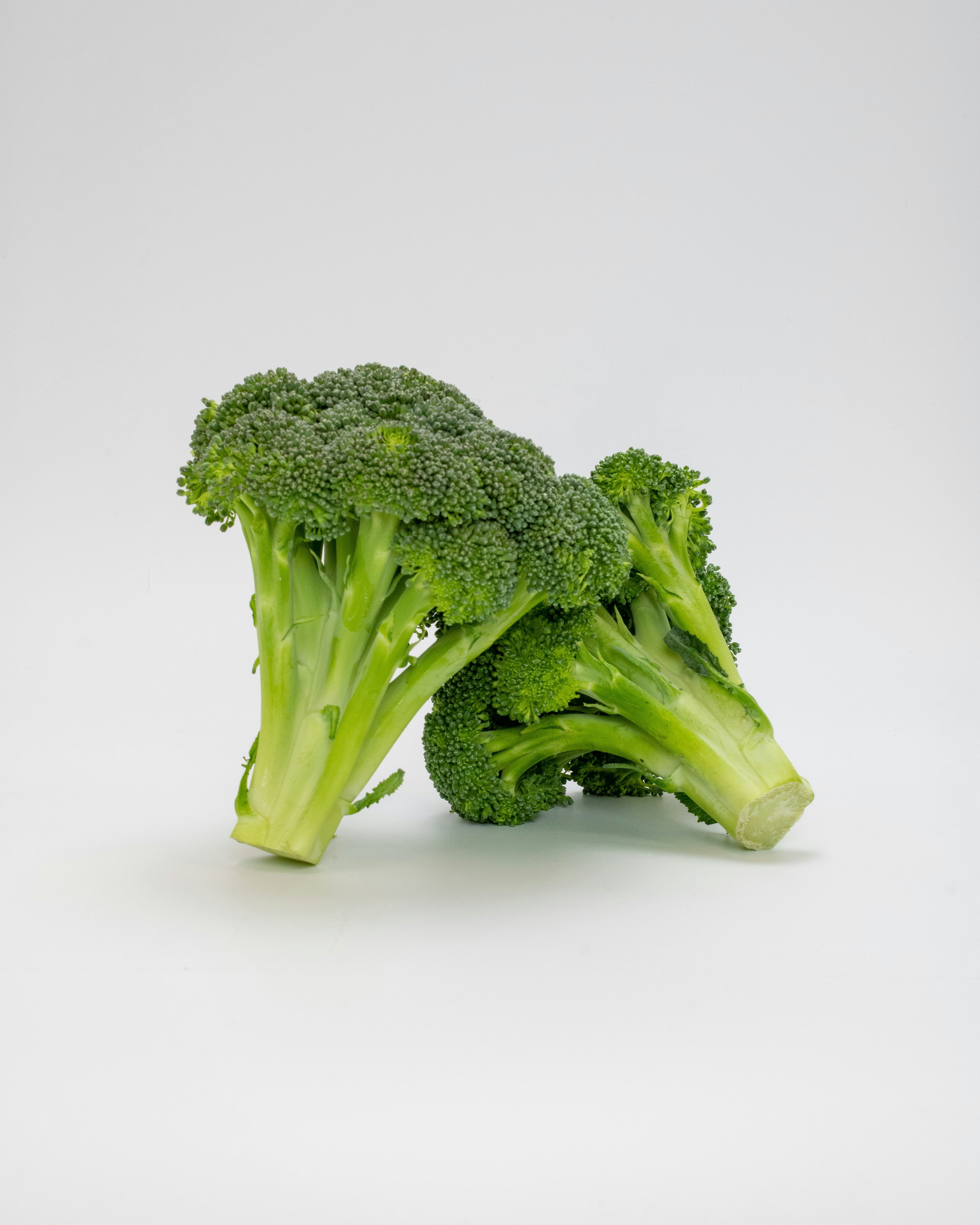
Name: Broccoli (Brassica oleracea var. italica) — a green vegetable with a thick stalk and a head of tightly packed flower buds. The most common type is Calabrese broccoli. Related types include broccolini, Romanesco and Chinese broccoli, each with its own page.
Description
Broccoli was developed from wild cabbage in the Mediterranean, probably in Italy, and has been grown there since Roman times, with the name coming from the Italian for “flowering crest of a cabbage.” It reached northern Europe and America in the 18th and 19th centuries, and became a mainstream vegetable in the US in the 20th century. China and India are the largest producers.
Broccoli contains a compound called glucoraphanin which, when the vegetable is chopped or chewed, is converted by an enzyme into sulforaphane, which is studied for protective effects against some cancers. Cooking with high heat or boiling can destroy that enzyme, so light steaming or letting chopped broccoli rest before cooking helps.
Main nutrition value
Show all nutrients
Broccoli is rich in vitamin C and vitamin K, and provides folate, fibre, potassium and plant compounds such as sulforaphane and carotenoids.
How best to be consumed
Broccoli is best lightly cooked, so it stays bright green and crisp.
- Steam or stir-fry for 3 to 5 minutes until bright green and just tender, rather than boiling it until soft.
- Chop and let it sit for 10 minutes before cooking, to help sulforaphane form.
- Roast florets at high heat with oil, until the edges crisp.
- Eat raw in salads and with dips, and use the peeled stalk, which is sweet and crunchy.
- Store unwashed in the fridge and use within a few days.
Overconsumption could cause…
Broccoli is safe and healthy in food amounts.
- Bloating and gas, since cruciferous vegetables contain raffinose and other fermentable carbohydrates.
- Possible effects on warfarin and similar blood-thinning medicines because of the high vitamin K content, so keep intake steady rather than avoiding them.
- Possible effects on thyroid function in people with an underactive thyroid or iodine deficiency if very large amounts are eaten raw, since brassicas contain goitrogens; normal cooked servings are fine.
- Digestive discomfort from the high fibre if you are not used to it.
Wikipedia — Broccoli, used for origin, naming and history: https://en.wikipedia.org/wiki/Broccoli
Comments
No comments yet.
Log in to leave a comment.