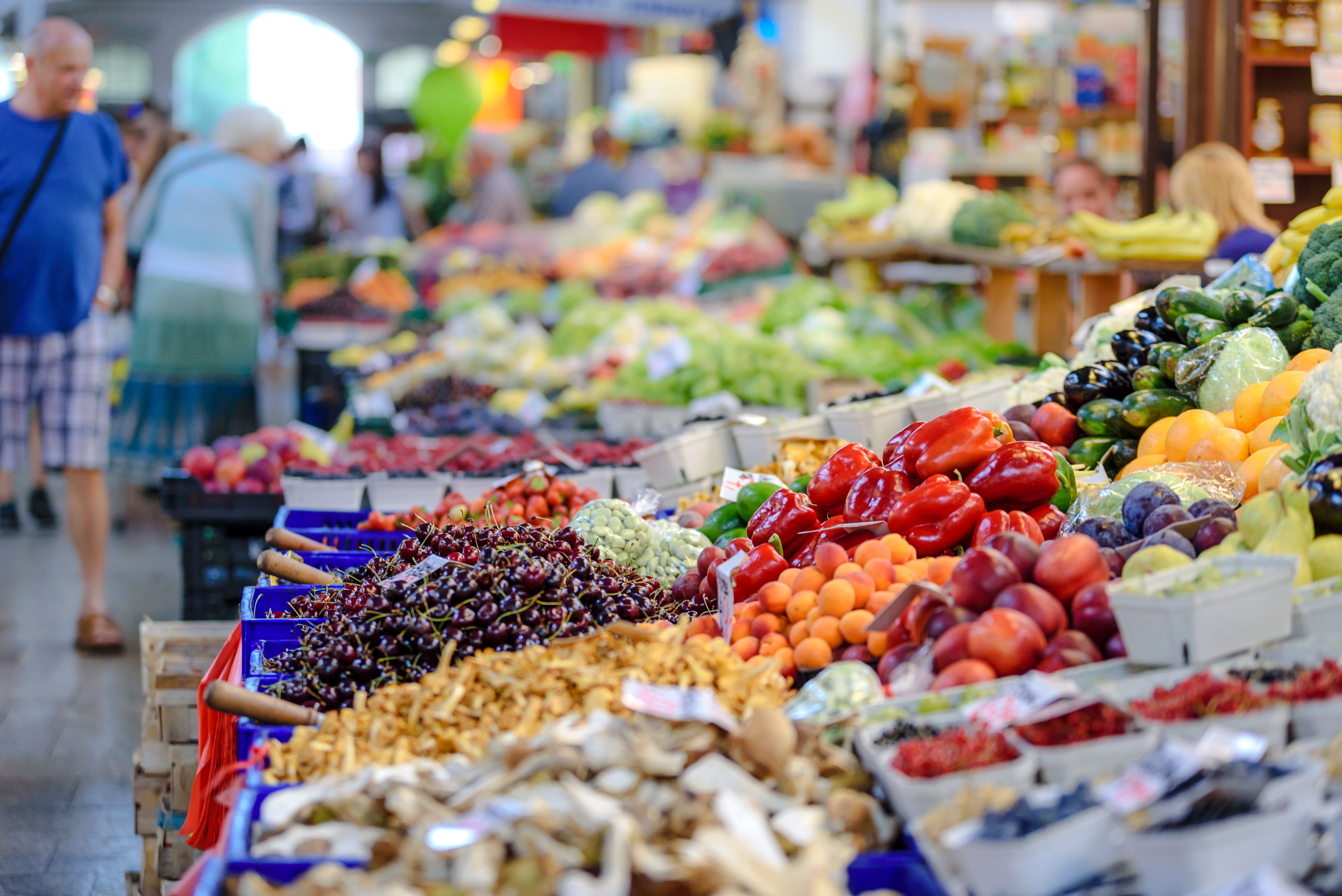
Food categories can be organised by region to reflect how people actually eat: the staple foods, local plant proteins, seafood, dairy, oils, herbs, and cooking methods that shape a cuisine. A good nutrition website should use one universal category structure, then add regional examples so a visitor in Singapore, Japan, China, or India can see familiar foods without implying that one regional diet is automatically “better” than another. Singapore’s HealthHub, for example, groups healthier eating around wholegrains, protein foods, fruit and vegetables, and healthier oils and fats, while also encouraging people to limit sodium, sugar, excess calories, and trans and saturated fats.[healthhub]
Core concept
Food categories are groups of foods with similar nutritional roles. The exact foods within each group vary by culture, geography, climate, religion, affordability, and tradition.
Harvard’s healthy-eating material similarly emphasises a balanced meal pattern, with attention to carbohydrate quality, protein source, and the type—not merely the amount—of dietary fat.[harvard]
Southeast Asian foods
Southeast Asian food categories are especially relevant for a Singapore-focused site because regional meals often combine rice or noodles, vegetables, herbs, soy foods, seafood, eggs, poultry, and flavourful sauces. The key nutrition issue is not that these foods are inherently unhealthy; it is usually the portion size and frequency of refined carbohydrates, deep-fried foods, coconut-rich dishes, sugary drinks, processed meats, or salty sauces.
Singapore’s HealthHub recommends building balanced meals with wholegrains, protein foods, fruits and vegetables, and healthier oils and fats. Its nutrition information also highlights sodium, sugar, excess calories, trans fats, and saturated fats as items to reduce.[healthhub]
East Asian foods
East Asian food traditions include Chinese, Japanese, Korean, Taiwanese, and related regional cuisines. They share some common food categories—rice, noodles, vegetables, soy, seafood, tea, fermented foods—but ingredients and cooking practices vary significantly by country and within countries.
Chinese foods
Chinese cuisine is highly diverse across regions, including Cantonese, Sichuan, Hokkien, Hunan, Shanghainese, and northern Chinese traditions. A useful nutrition taxonomy should separate the core foods from high-sodium sauces and preserved products, rather than labelling the full cuisine as healthy or unhealthy.
ChineseNutrition.org is structured around a searchable database of common foods and Chinese herbs, as well as recipe analysis and diet planning. That suggests a useful website model: treat everyday food, herbs, and diagnosis-specific dietary content as related but separate information areas.[chinesenutrition]
Japanese foods
Traditional Japanese eating patterns typically centre on simple, seasonal, minimally processed foods served in several small dishes. Common meal components include rice or noodles, soup, fish or soy foods, vegetables, seaweed, and fruit.[healthline]
The Japanese Dietetic Association links food and nutrition education with the Japanese Food Guide Spinning Top and dietary reference intakes. For a website, this supports presenting Japanese cuisine as part of a broader food-education framework rather than only as a list of “superfoods.”[or]
Healthline’s overview of the traditional Japanese diet describes it as rich in fish, seafood, soy foods, seaweed, rice or noodles, fruit, and vegetables, with relatively limited added sugar, fats, dairy, and meat. This is a description of a traditional pattern, not a rule that every modern Japanese meal follows.[healthline]
South Asian foods
South Asian cuisine includes Indian, Pakistani, Bangladeshi, Sri Lankan, Nepali, Bhutanese, and Maldivian food traditions. It is diverse, but many diets share staples such as rice, wheat, millets, pulses, vegetables, yoghurt or milk, spices, and region-specific oils. Vegetarian and plant-forward eating patterns are common, although fish, eggs, chicken, lamb, and other meats also play important roles in many communities.
The Indian National Institute of Nutrition’s dietary guidelines emphasise food-based, flexible, region- and culture-specific advice. They identify four broad food groups: cereals, millets, and pulses; vegetables and fruits; milk and milk products, eggs, meat, and fish; and oils, fats, nuts, and oilseeds.[res]
The same guideline promotes variety, plenty of vegetables and fruits, moderate use of oils and animal foods, minimal use of highly processed foods rich in salt, sugar, and fats, adequate water, and regular physical activity.[res]
Other regional branches
A complete global navigation tree can include the following regional examples. These should be examples and discovery tools, not strict definitions of each cuisine.
1. https://www.healthhub.sg/programmes/nutrition-hub 2. https://nutritionsource.hsph.harvard.edu/ https://www.healthline.com/nutrition/japanese-diet https://www.dietitian.or.jp/english/health/ https://chinesenutrition.org/ https://www.nin.res.in/downloads/DietaryGuidelinesforNINwebsite.pdf



Comments
No comments yet.
Log in to leave a comment.