Also known asBrassica oleracea var. sabellica · 羽衣甘蓝
Name: Kale (Brassica oleracea var. sabellica or acephala) — a leafy green with curly, frilly or flat leaves in green, blue-green and purple, with a tough, fibrous texture. Related types include curly kale and Tuscan kale (cavolo nero), which have pages under Leafy Green Vegetables.
Description
Kale is one of the oldest forms of cabbage, and has been cultivated for more than 2,000 years in the eastern Mediterranean and Asia Minor. It was the most common green vegetable in Europe until the Middle Ages, and is very hardy, growing well through cold winters, where frost makes the leaves sweeter. It surged in popularity in the 2010s as a health food.
Kale's tough leaves were once mainly used as cattle fodder in some regions, and cooking or massaging them with oil and salt softens them. Its flavour is earthy and slightly bitter, with a deeper taste than cabbage.
Main nutrition value
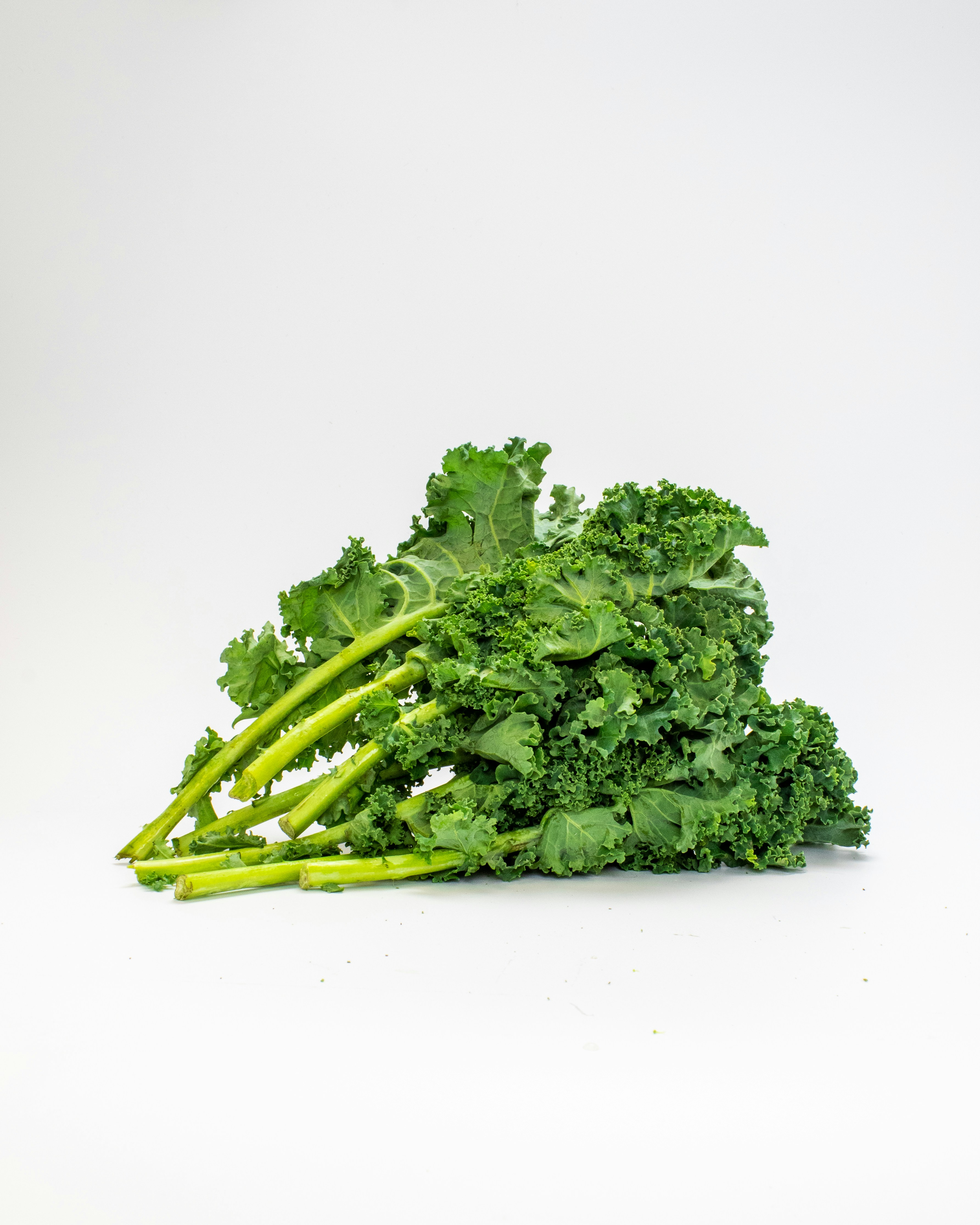
Kale is an excellent source of vitamin K, vitamin C and vitamin A, plus calcium, folate, fibre and antioxidants such as lutein.
How best to be consumed
Kale needs a little prep to make it tender.
- Strip the leaves from the tough stems, then massage with oil, salt and lemon for salads.
- Sauté or braise with garlic and chilli, or add to soups and stews.
- Bake into crisp kale chips with oil and salt.
- Blend into smoothies, with fruit to balance bitterness.
- Store unwashed in the fridge and use within a week.
Overconsumption could cause…
Kale is safe and healthy in food amounts, with a few points.
- Possible effects on warfarin and similar blood-thinning medicines because of the high vitamin K content, so keep intake steady rather than avoiding them.
- Bloating and gas, since cruciferous vegetables contain raffinose and other fermentable carbohydrates.
- Possible effects on thyroid function in people with an underactive thyroid or iodine deficiency if very large amounts are eaten raw, since brassicas contain goitrogens; normal cooked servings are fine.
- Oxalates, which matter for people prone to kidney stones, especially in large amounts of raw kale juice.
Wikipedia — Kale, used for origin, naming and history: https://en.wikipedia.org/wiki/Kale
Comments
No comments yet.
Log in to leave a comment.