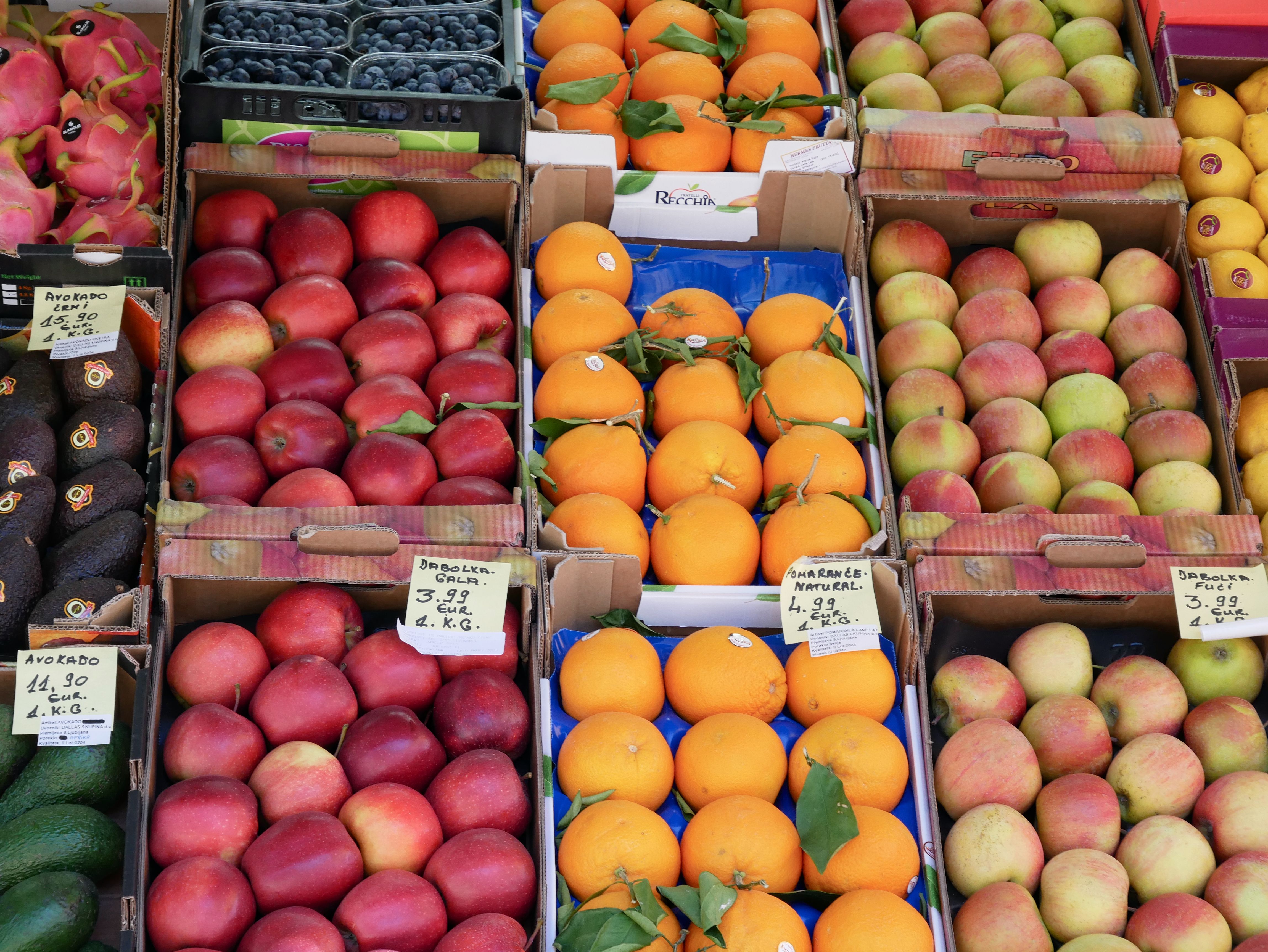
Fruit supplies vitamin C, potassium, fibre and a wide range of protective plant compounds, with its natural sugars packaged alongside fibre and water. Harvard's Healthy Eating Plate simply advises to “eat plenty of fruits of all colors,” alongside vegetables making up half the plate.
Common fruits
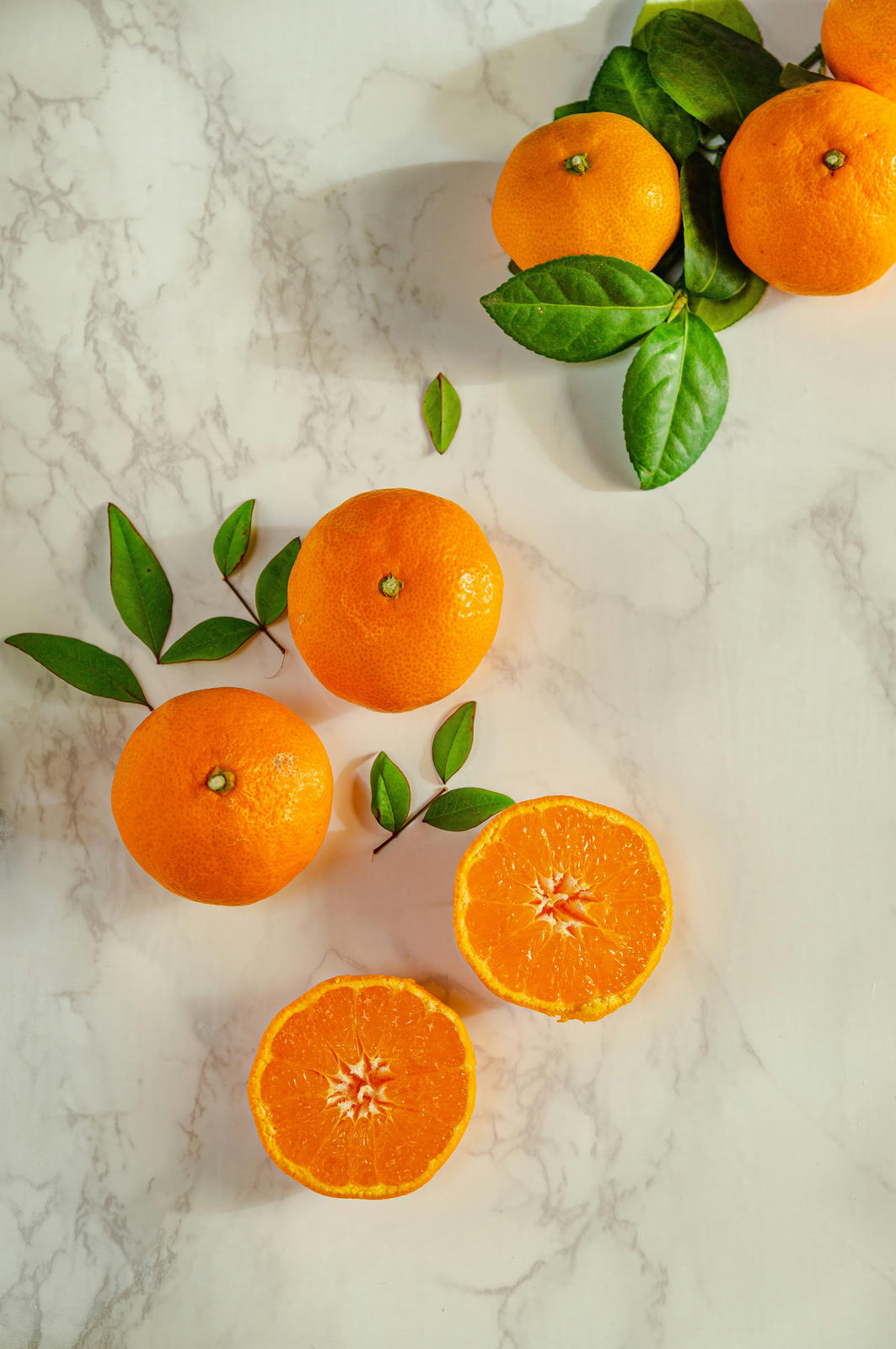
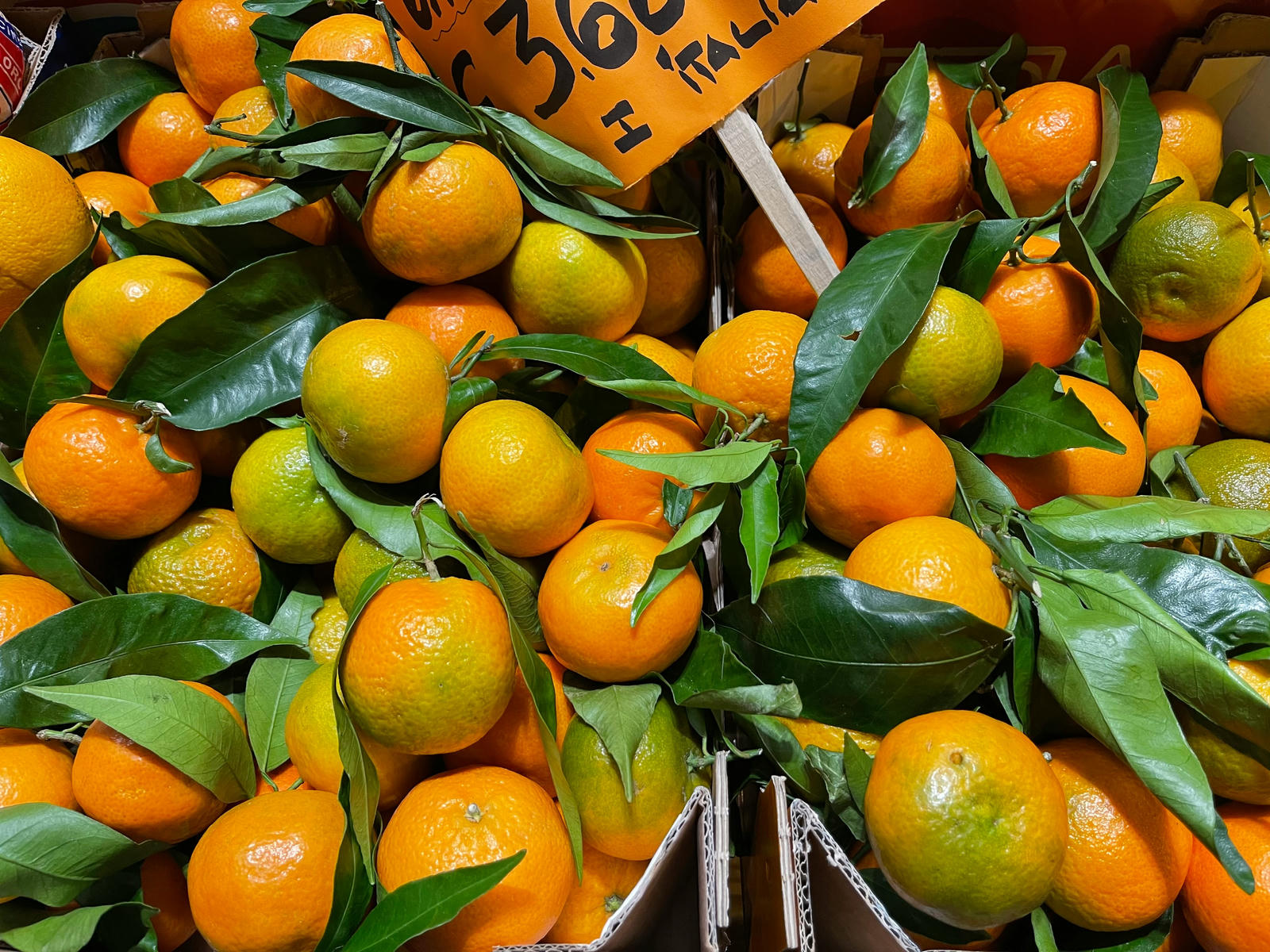
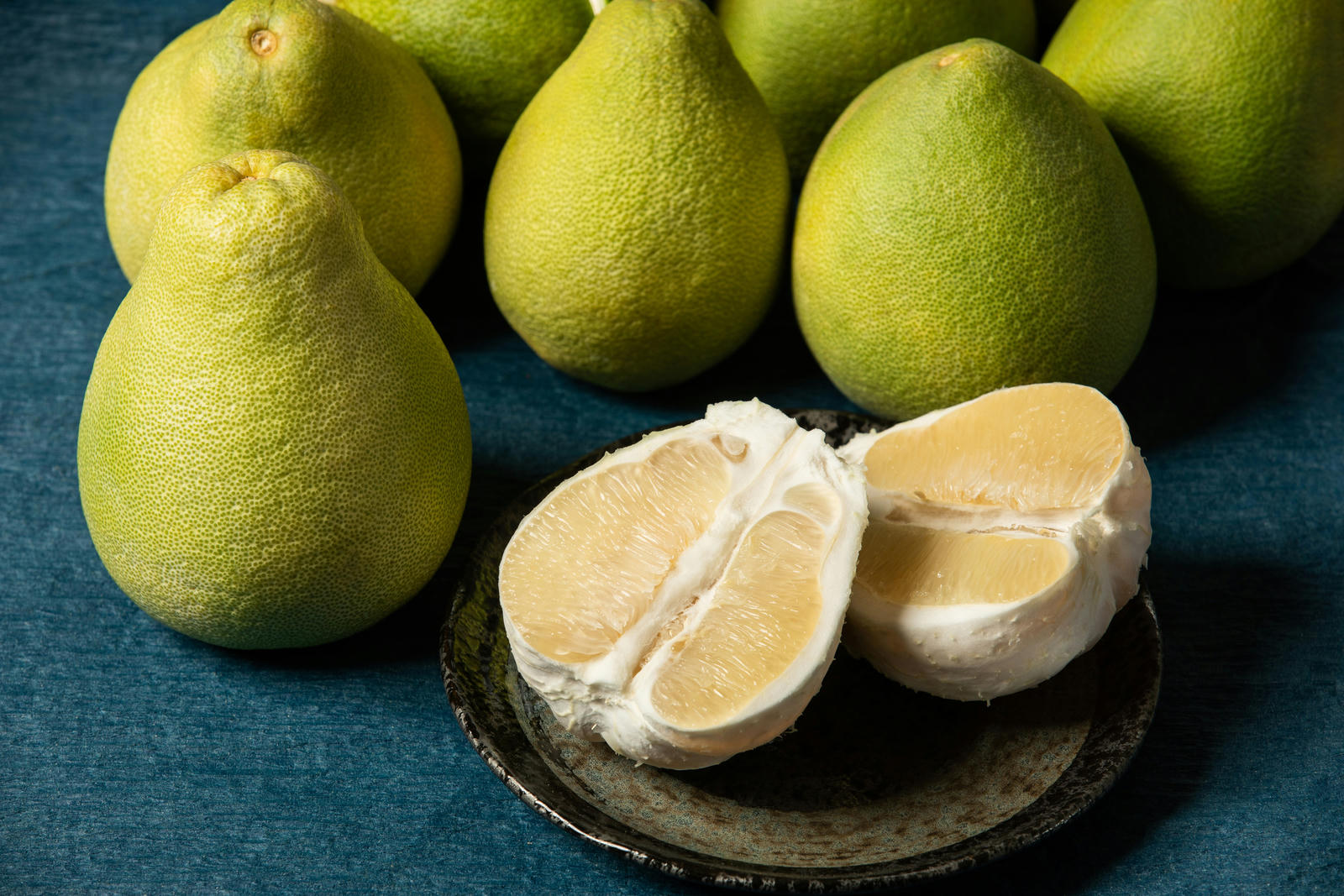
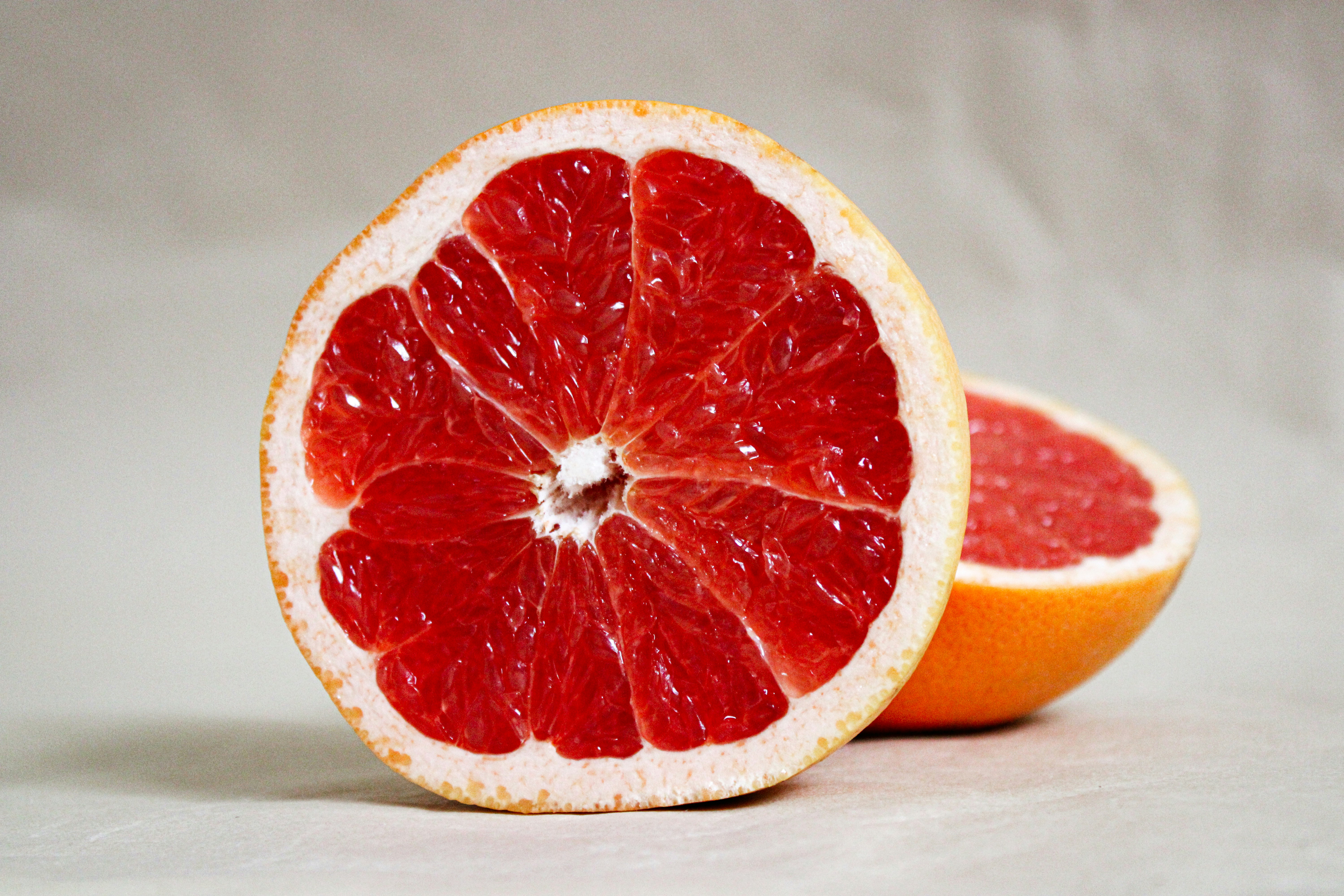
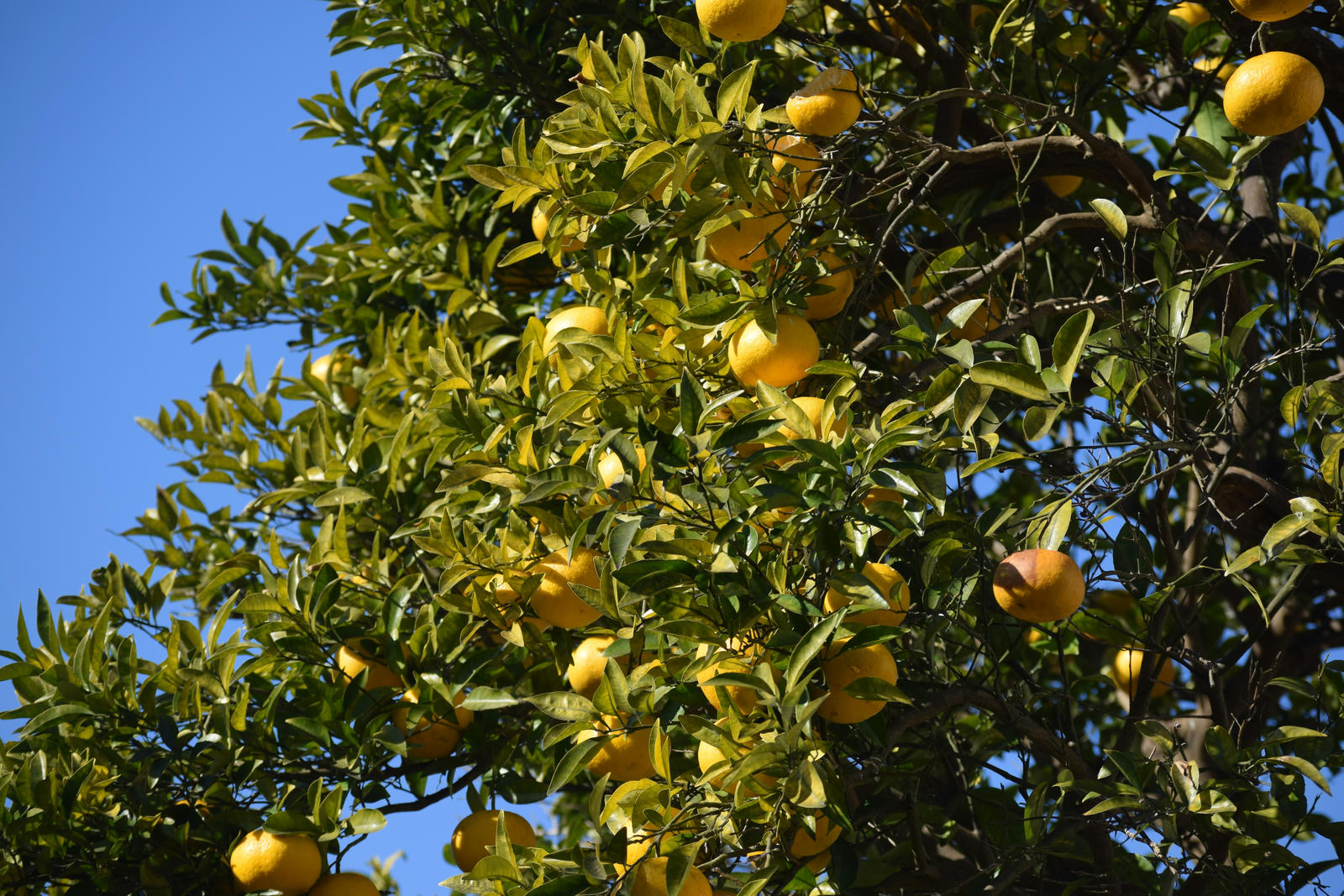
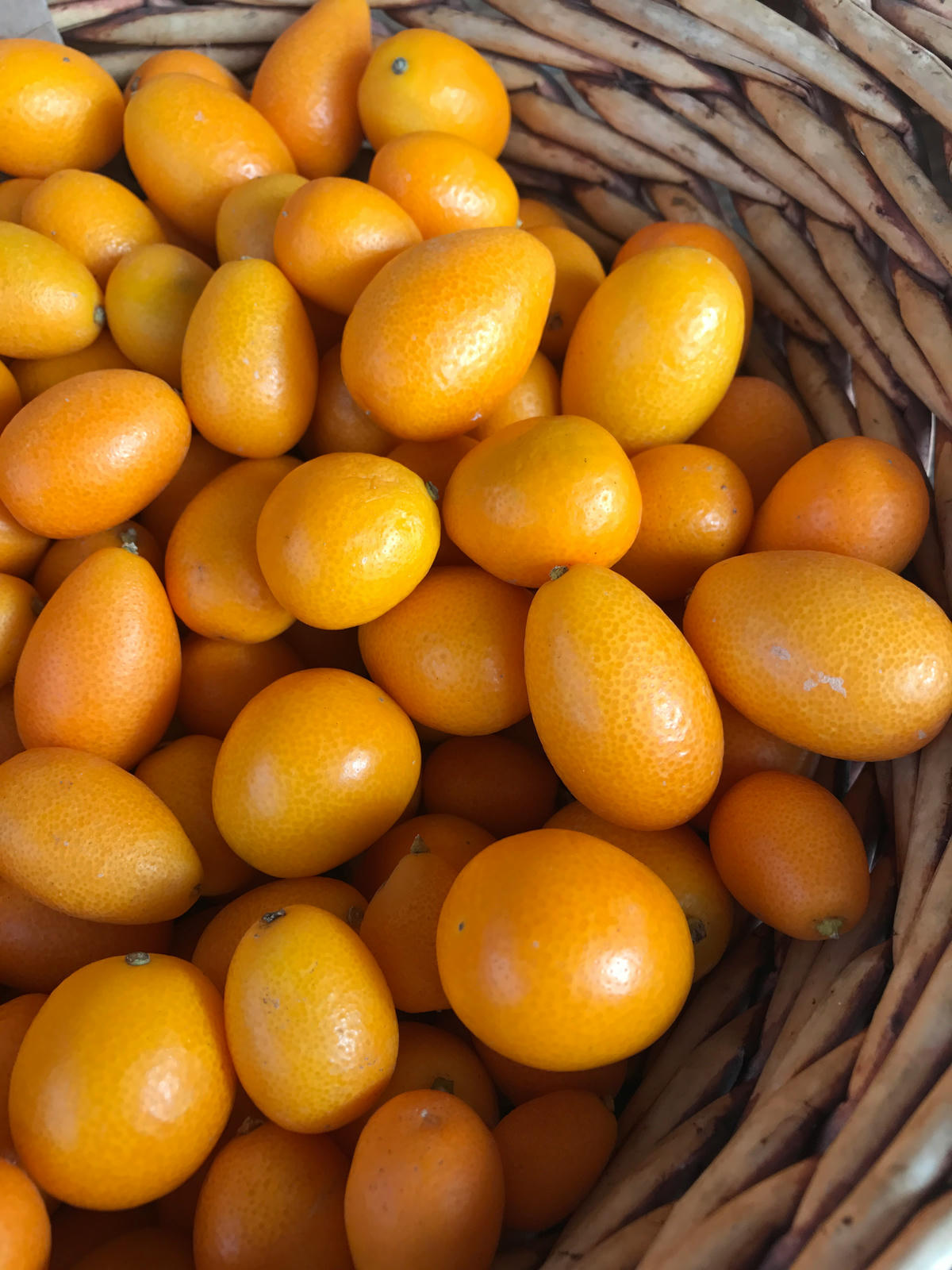
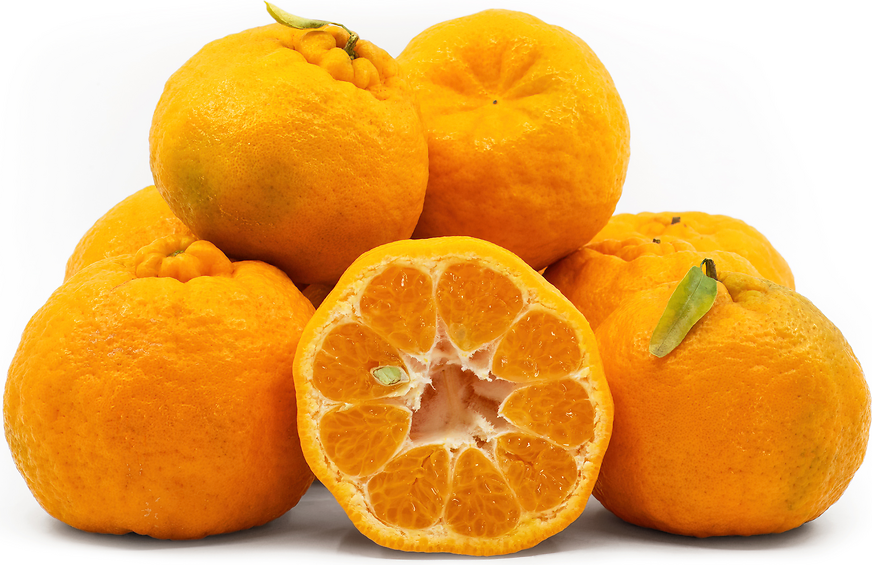
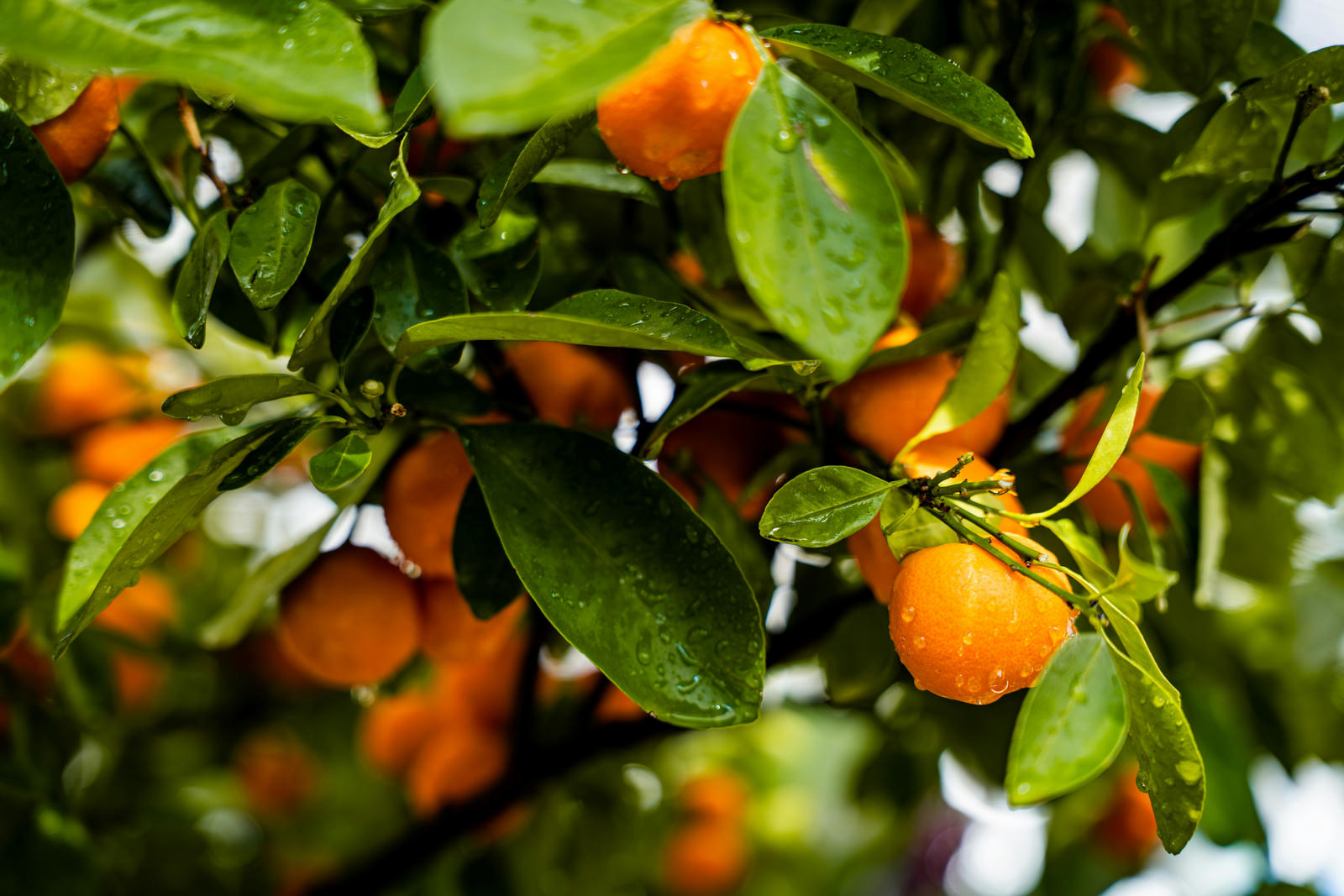
Everyday examples include apples, berries, citrus fruits, bananas, mangoes and grapes, spanning a wide range of colours and nutrient profiles.
Health influence
Benefit: higher fruit intake is one of the more consistent dietary factors linked to lower risk of cardiovascular disease, stroke and some cancers.
Watch for: whole fruit is preferred over fruit juice — juicing removes most of the fibre and concentrates the sugar, making it much easier to consume a large amount of sugar quickly without the same fullness. Dried fruit is similarly concentrated, so portion size matters more than with fresh fruit.
Practical choices
- Aim for at least two servings of whole fruit a day, varying the colours and types.
- Choose whole fruit over fruit juice most of the time.
- Keep dried fruit to small portions, since it is easy to over-eat.
- Keep the skin on where edible, since fibre is often concentrated there.
https://fdc.nal.usda.gov/food-search?type=SR%20Legacy&query=oil https://www.healthhub.sg/well-being-and-lifestyle/food-diet-and-nutrition https://www.britannica.com/dictionary https://www.fda.gov/food/science-research-food https://www.ifis.org/ https://foodb.ca/ https://examine.com/ https://nutritionsource.hsph.harvard.edu/healthy-eating-plate/



Comments
No comments yet.
Log in to leave a comment.