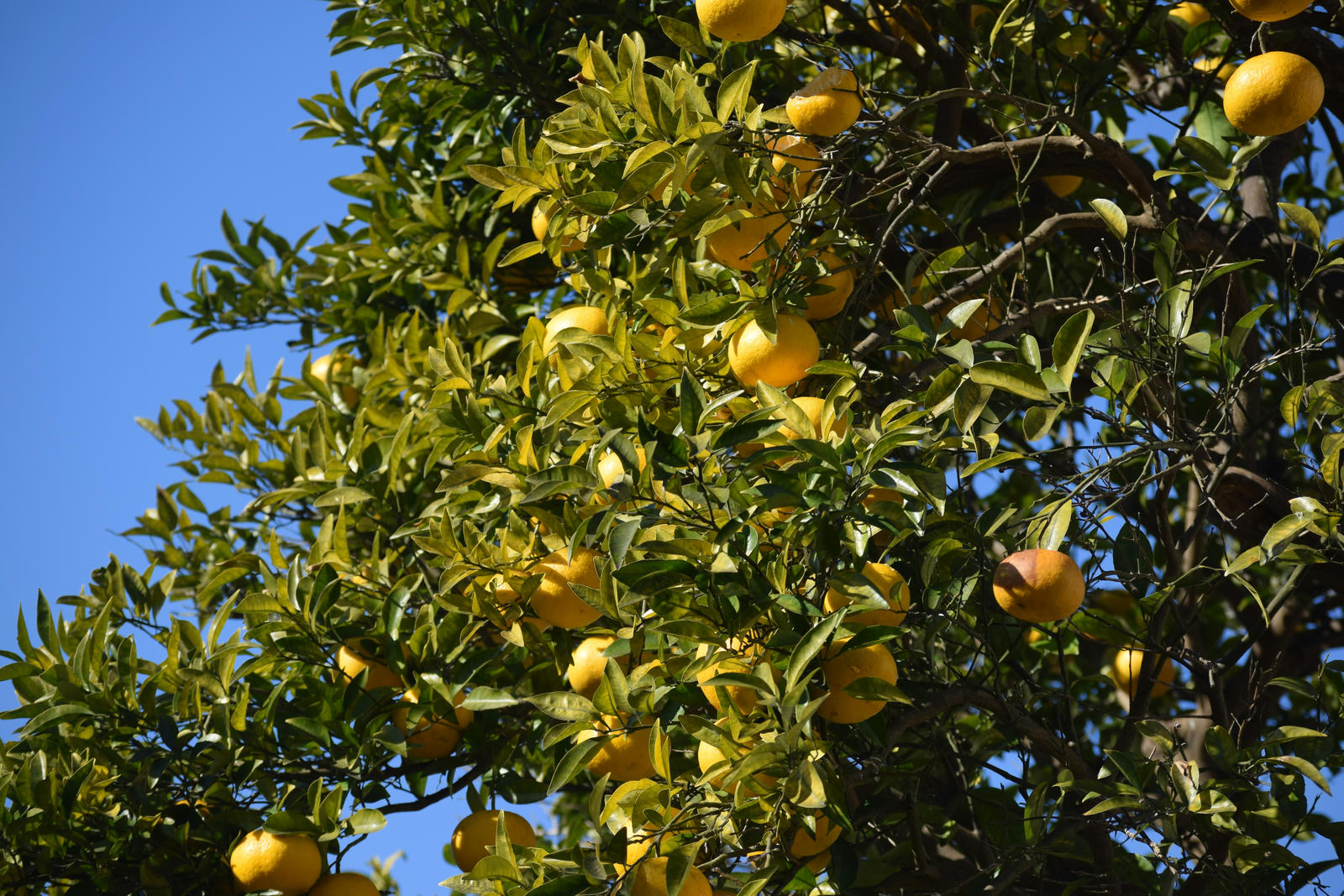
Also known asCitrus junos · 柚子 · ゆず
Name: Yuzu (Citrus junos) — an East Asian citrus fruit, believed to be a hybrid of a sour mandarin type and the cold-hardy Ichang papeda. It is sometimes labelled “yuzu citrus” or, in Korean, yuja.
Description
Yuzu likely originated in China but has been most closely associated with Japan since its introduction there over 1,000 years ago; it still grows wild across East Asia, from Tibet to Korea. It is the most cold-resistant of all citrus fruits, able to grow at high altitudes in near-freezing temperatures, which has helped it spread further north than most other citrus species.
The fruit itself is so sour and bitter that it is almost never eaten out of hand. Instead, yuzu is valued almost entirely for its fragrant golden-yellow, bumpy peel, which releases a distinctive aroma somewhere between orange, grapefruit and lemon when grated or gently heated.
Main nutrition value
Because yuzu has no dedicated USDA entry and is eaten in such small quantities (zest and juice, not flesh), the closest documented reference point is raw lemon: approximately 29 kcal, 9.3g carbohydrate, 2.5g naturally occurring sugars, 2.8g dietary fibre and 1.1g protein per 100g, with a strong vitamin C content. Actual intake from a typical serving of yuzu zest or juice is a small fraction of this, since only a teaspoon or two is normally used at a time.
How best to be consumed
Yuzu is used almost entirely for its peel and juice rather than its flesh.
- Grate the zest finely and add it at the very end of cooking to soups, salads or simmered dishes, since its aroma fades quickly with prolonged heat.
- Use the juice in ponzu sauce, salad dressings, or cocktails for a bright, tart citrus note.
- Make or buy yuzu marmalade, a common way to use the whole fruit without its bitterness dominating.
- Add a few drops of juice to tea or hot water for a fragrant, low-calorie drink, as is traditional in parts of East Asia.
- Store whole yuzu in the refrigerator, where the thick peel keeps it fresh longer than more delicate citrus.
Overconsumption could cause…
Because only small amounts of zest or juice are typically used at a time, overconsumption is rarely a practical concern with yuzu.
- Tooth enamel exposure if juice is used heavily and frequently, given its high acidity.
- Mouth or throat irritation from consuming the concentrated peel oils in large amounts.
- No unusual medication-interaction risk beyond the general citrus caution that applies to concentrated citrus juices.
U.S. Department of Agriculture, FoodData Central — Lemons, raw, without peel (100g portion): https://fdc.nal.usda.gov/food-details/167746/nutrients (no USDA entry exists for yuzu, which is rarely eaten as flesh; the general raw-lemon figures below are the closest documented relative, given yuzu's similarly high acidity and its typical culinary use for zest and juice rather than as fresh fruit)
Comments
No comments yet.
Log in to leave a comment.