Also known asMandarin Orange · Citrus reticulata · Mikan · 蜜柑 · 柑橘
Name: Mandarin orange (Citrus reticulata). The species name covers a wide group of loose-skinned oranges sold under more specific names — tangerine, satsuma, clementine, tangelo and others — each described on its own page on this site; plain “mandarin” here refers to the species generally and to mandarin-type fruit not marketed under one of those more specific names. The scientific name reticulata is Latin for “netted,” describing the fine network visible in the peel.
Description
Mandarins are native to the Southeast Himalayan foothills — a region spanning Assam in India, northern Myanmar and Yunnan in China — the same ancestral homeland shared by the citron and the pomelo, from which almost all modern citrus varieties ultimately descend. The fruit was cultivated in China for millennia before reaching the West. The English name traces back to Imperial Chinese officials known as “mandarins,” whose yellow silk robes were said to resemble the fruit's colour.
Two varieties were brought to England from Canton in 1805, and from there the mandarin spread through the Mediterranean, becoming well established in Italy by 1850. Today mandarins are grown across subtropical regions worldwide, including southern Europe, North Africa, East Asia and the southern United States.
Main nutrition value
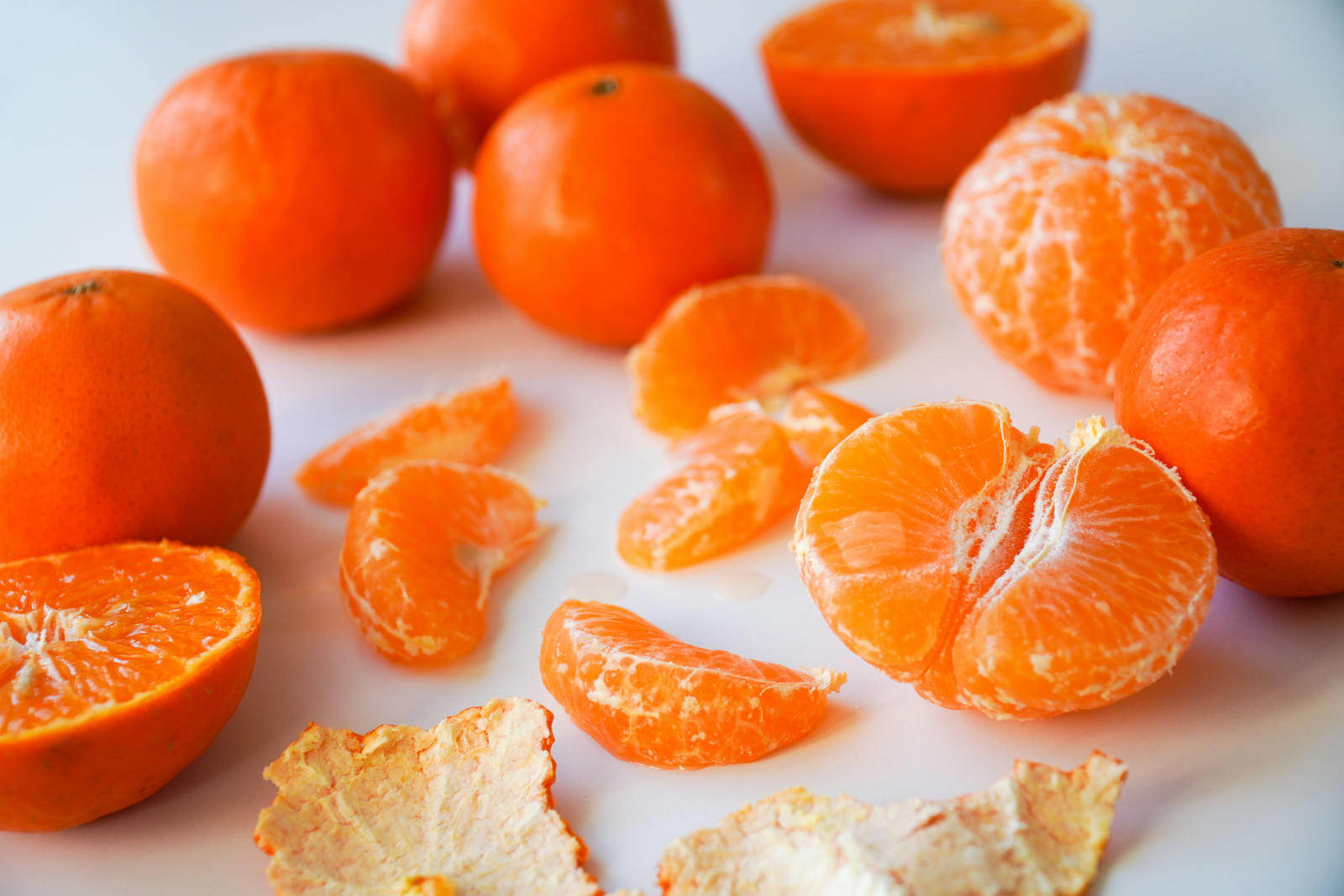
Per 100g of raw mandarin, USDA data lists approximately 53 kcal, 13.3g carbohydrate, 10.6g naturally occurring sugars, 1.8g dietary fibre, 0.8g protein and 0.3g fat. Mandarins are a good source of vitamin C and notably rich in beta-cryptoxanthin, a provitamin-A carotenoid found at higher levels here than in most other citrus, alongside a useful amount of potassium.
How best to be consumed
Mandarins are best eaten fresh, peeled by hand, keeping their fibre and water content intact.
- Peel and separate into segments for an easy, no-prep snack.
- Add segments to salads, yoghurt or oats for a sweet, fibre-rich addition.
- Choose mandarins canned in juice rather than syrup if fresh isn't available, for less added sugar.
- Use the zest in baking or dressings rather than discarding it.
- Favour the whole fruit over juice, which concentrates the sugar and removes the fibre.
Overconsumption could cause…
Mandarins are safe for most people in ordinary amounts, with a few things worth keeping in mind at high intakes.
- Excess sugar intake if several are eaten in place of a more filling, fibre-balanced meal.
- Digestive discomfort, such as bloating, from a large amount of fruit fibre and sugar at once.
- Tooth enamel exposure with very frequent intake, given the fruit's natural acidity.
- Interaction with any specific dietary restriction your doctor or pharmacist has given you — mandarins don't carry the grapefruit-type interaction risk, but it's worth checking if unsure.
U.S. Department of Agriculture, FoodData Central — Tangerines, (mandarin oranges), raw (100g portion): https://fdc.nal.usda.gov/food-details/2709175/nutrients (USDA's FoodData Central catalogues tangerines and mandarin oranges together under one entry, reflecting how closely related these loose-skinned citrus types are) Wikipedia — Mandarin orange, used for etymology and cultivation history: https://en.wikipedia.org/wiki/Mandarin_orange
Comments
No comments yet.
Log in to leave a comment.