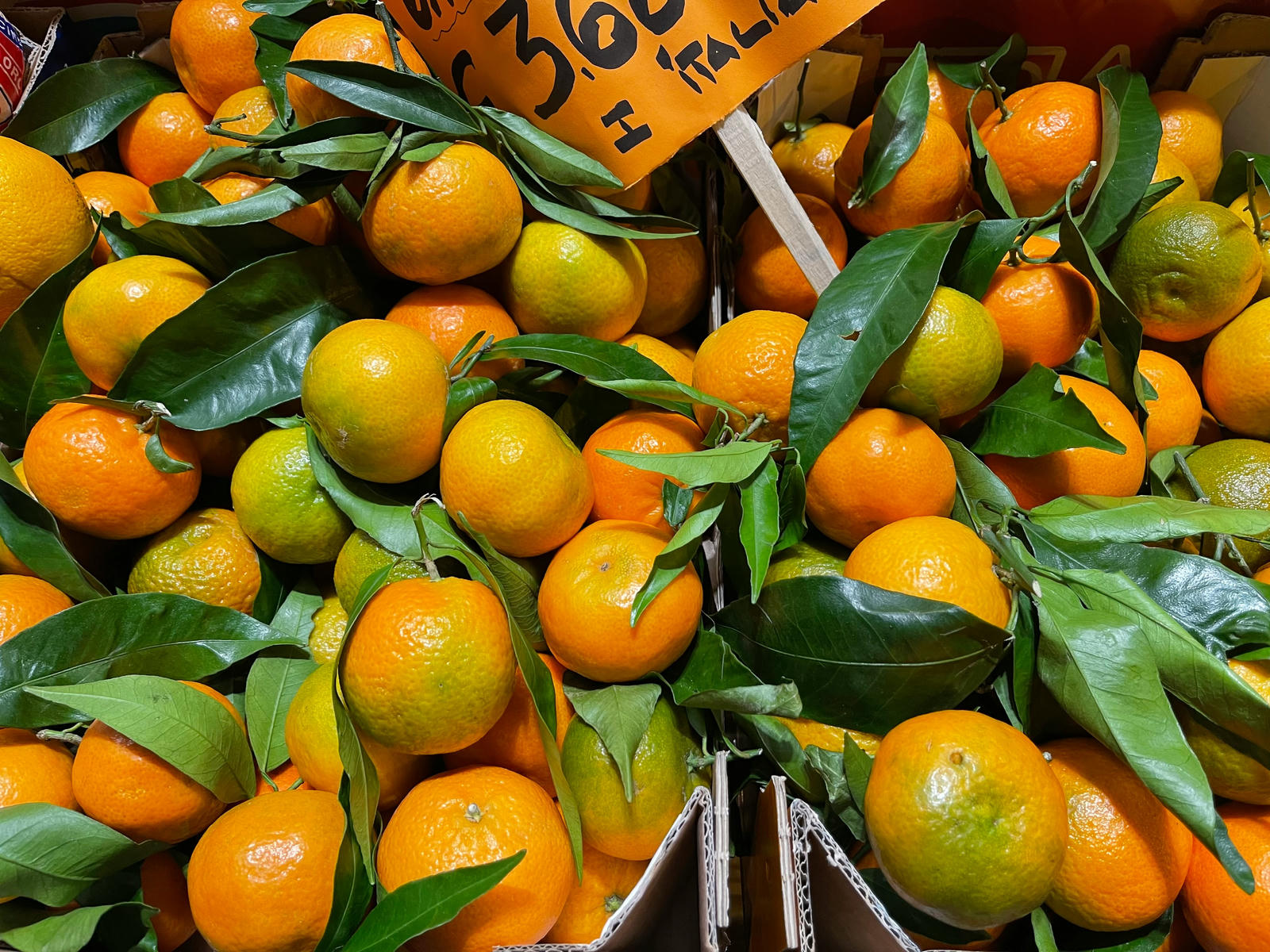
Name: Satsuma mandarin (Citrus unshiu), also called satsuma orange, or unshū mikan in Japan. In parts of Europe it is also sold simply as “satsuma” without the word mandarin attached.
Description
Genetically, the satsuma is a highly inbred mandarin-pomelo hybrid, with around a fifth of its genome traceable to pomelo. It was first reported in Japan more than 700 years ago, with possible earlier Chinese origins, and became Japan's dominant citrus crop after the country's modernisation in the Meiji era. Its Western name comes from the former Satsuma Province in Japan, from which it was first exported in 1878.
Satsumas are notable among citrus for being both seedless and extremely easy to peel, with skin that separates from the flesh almost on its own — qualities that made them popular gift and lunchbox fruit well before other seedless mandarins became widely available.
Main nutrition value
Per 100g of raw satsuma, USDA-derived mandarin/tangerine data lists approximately 53 kcal, 13.3g carbohydrate, 10.6g naturally occurring sugars, 1.8g dietary fibre, 0.8g protein and 0.3g fat. Like other mandarins, satsumas are a good source of vitamin C and beta-cryptoxanthin, a provitamin-A carotenoid, alongside a useful amount of potassium.
How best to be consumed
Satsumas are valued for their very loose, easy-to-peel skin and near-total lack of seeds, making them an especially convenient snack straight from the hand.
- Peel and eat fresh — satsumas need no knife or effort, making them ideal for lunchboxes and travel.
- Add segments to salads or a fruit bowl for a naturally sweet, seedless addition.
- Pair with a source of protein or fat, such as nuts or cheese, for a more filling snack.
- Favour the whole fruit over juice to keep the fibre intact.
- Store in a cool place rather than a sealed bag, since the loose skin makes satsumas more prone to trapped moisture and mould than tighter-skinned citrus.
Overconsumption could cause…
Satsumas are safe for most people in ordinary amounts, though their easy peel makes it simple to eat several in one sitting.
- Higher sugar intake than intended, since the ease of peeling makes it easy to eat multiple fruits quickly.
- Digestive discomfort, such as bloating, from a large amount of fruit fibre and sugar at once.
- Tooth enamel exposure with very frequent intake, given the fruit's natural acidity.
U.S. Department of Agriculture, FoodData Central — Tangerines, (mandarin oranges), raw (100g portion): https://fdc.nal.usda.gov/food-details/2709175/nutrients (no dedicated USDA entry exists for satsuma; the general tangerine/mandarin-orange figures below are the closest documented relative, since satsuma is itself a mandarin cultivar) Wikipedia — Citrus unshiu, used for origin and naming history: https://en.wikipedia.org/wiki/Citrus_unshiu
Comments
No comments yet.
Log in to leave a comment.