
What Are Macronutrients?
Macronutrients provide the fuel and building materials needed for everyday life: breathing, thinking, walking, working, exercising, recovery, and growth. Unlike vitamins and minerals, which are needed in smaller amounts, macronutrients make up the main structure and energy content of meals.
A balanced meal usually includes a source of carbohydrate, protein, vegetables or fruit, and a small amount of healthier fat. HealthHub’s My Healthy Plate approach helps people balance grains, protein foods, and vegetables in practical portions.
Main Macronutrients
Macronutrient | Why it is important | Food sources | Too little may contribute to |
|---|---|---|---|
Carbohydrates | Main source of energy, especially for the brain and working muscles | Brown rice, oats, wholemeal bread, wholegrain noodles, potatoes, corn, fruit, beans, lentils, milk and yoghurt | Low energy, tiredness, reduced exercise performance, headaches, and difficulty concentrating when intake is severely restricted. |
Protein | Builds and repairs muscles and body tissues; supports immune function, enzymes, hormones, and healthy ageing | Fish, eggs, chicken, dairy, tofu, tempeh, beans, lentils, chickpeas, nuts, seeds | Muscle loss, weakness, poor recovery, impaired growth in children, and a greater risk of illness when deficiency is severe. |
Fats | Provides energy; supports cells, hormones, brain function, and absorption of vitamins A, D, E, and K | Fish, nuts, seeds, avocado, olive oil, canola oil, soybean oil, sesame, peanut butter | Dry skin, poor absorption of fat-soluble vitamins, low energy, and possible effects on growth and hormone function when intake is very low. |
Fibre | Supports bowel regularity, fullness, gut health, and steadier blood-glucose response after meals | Vegetables, fruit, beans, lentils, oats, barley, brown rice, wholemeal foods, nuts, seeds | Constipation, lower dietary fullness, and reduced intake of many plant-based nutrients. |
Water | Supports hydration, body-temperature control, blood circulation, digestion, and waste removal | Water, soups, milk, unsweetened drinks, fruit, vegetables | Dehydration, thirst, headache, dizziness, constipation, tiredness, and reduced physical performance. |
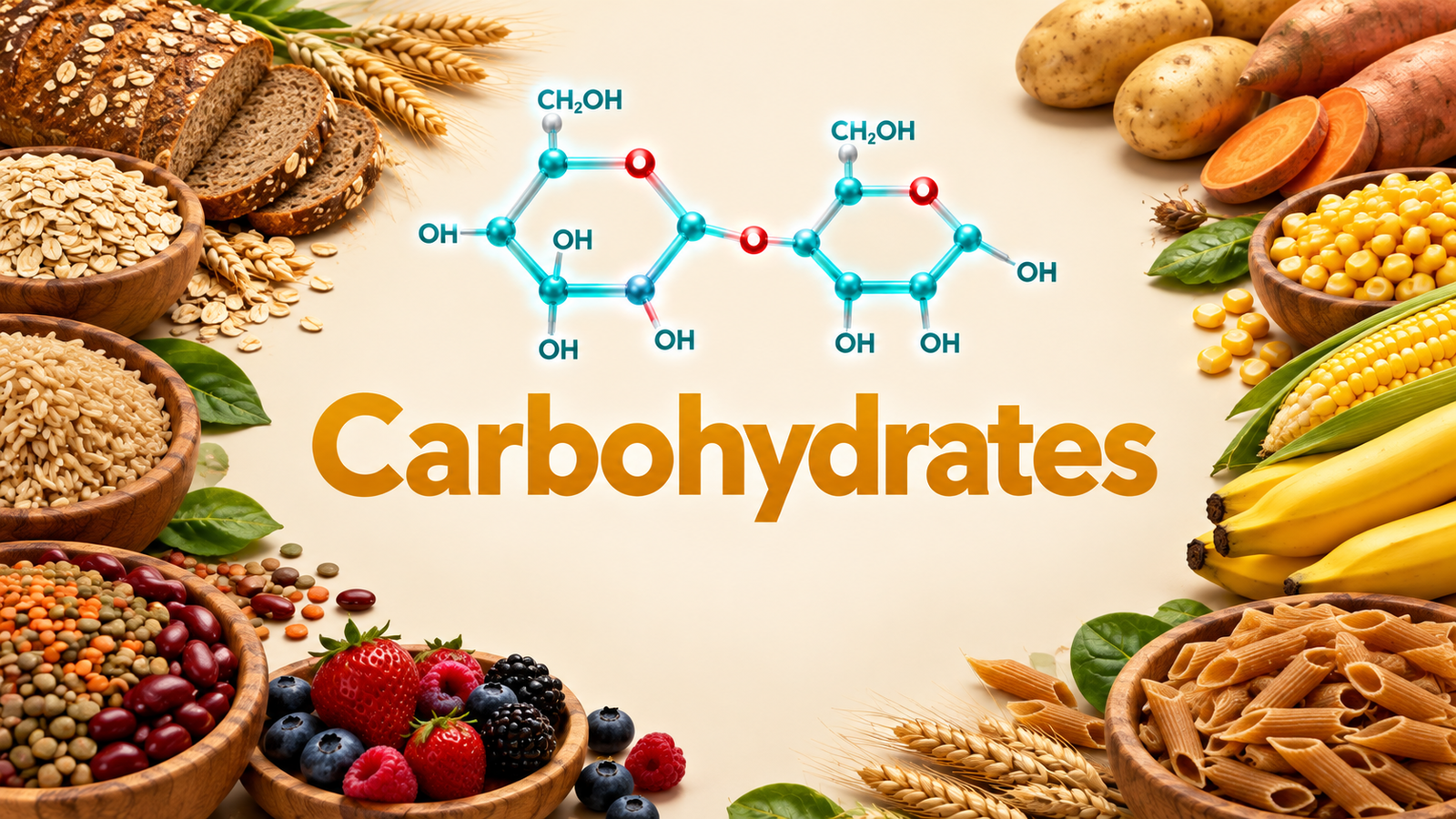
Carbohydrates
Carbohydrates are not automatically unhealthy. They are an important energy source, but quality and portion size matter. Choose more fibre-rich carbohydrate foods, such as wholegrains, beans, vegetables, and fruit, instead of relying mainly on sugary drinks, sweets, pastries, refined snacks, or heavily processed foods.
In Singapore, practical swaps can include brown or mixed-grain rice instead of white rice more often, wholemeal bread instead of white bread, and fruit instead of sugary snacks. HealthHub also provides glycaemic-index information to help people make food choices that support blood-glucose management.
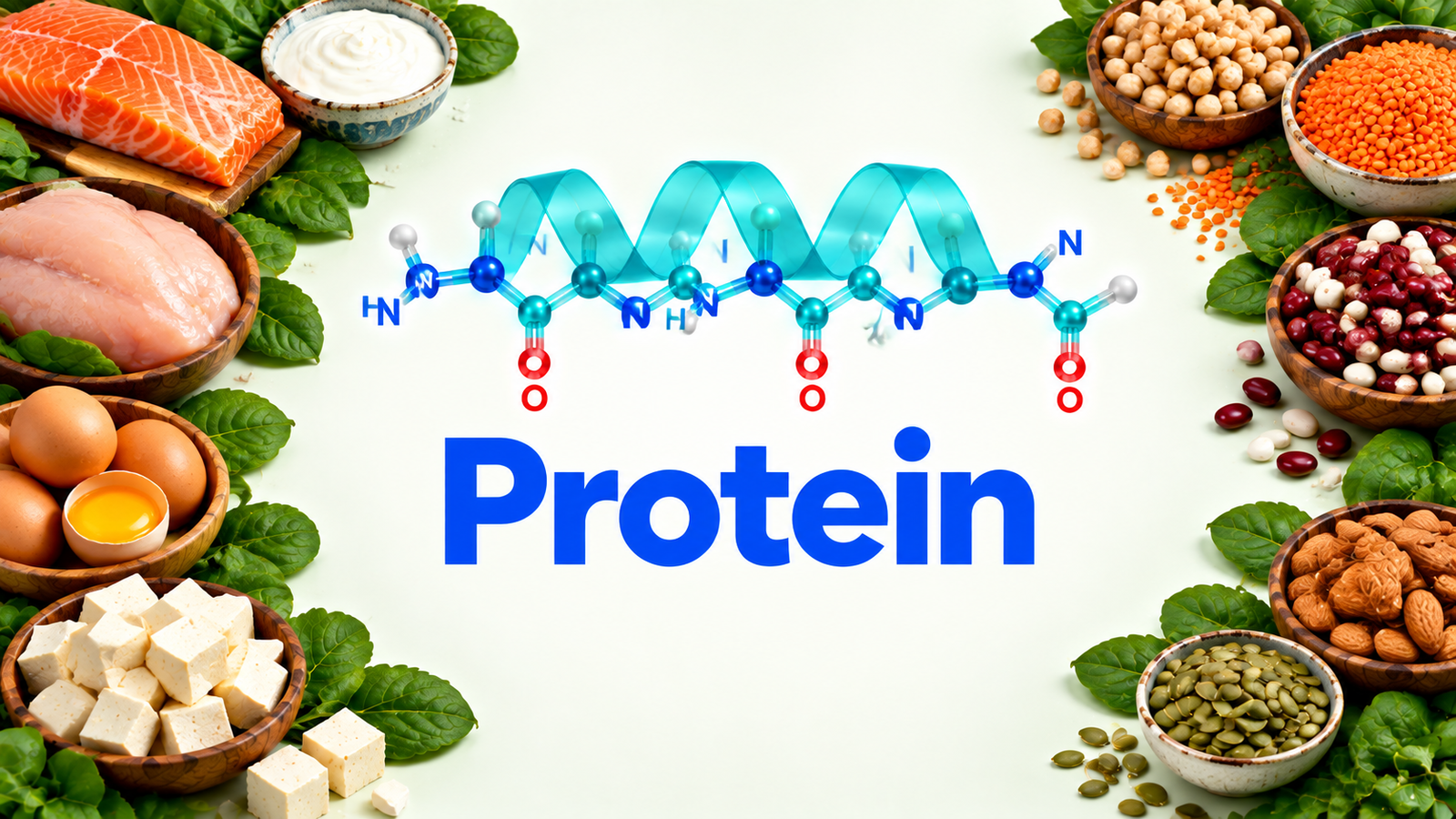
Protein
Protein is needed by everyone, not only athletes or people trying to build muscle. It helps maintain muscle, supports recovery after activity, contributes to fullness after meals, and is especially important during growth, older age, illness, and physical training.
Spread protein foods across the day by including options such as fish, eggs, tofu, tempeh, beans, lentils, yoghurt, nuts, seeds, poultry, or other foods that suit your culture and dietary pattern. A vegetarian or vegan diet can provide enough protein when it includes a variety of legumes, soy foods, grains, nuts, and seeds.
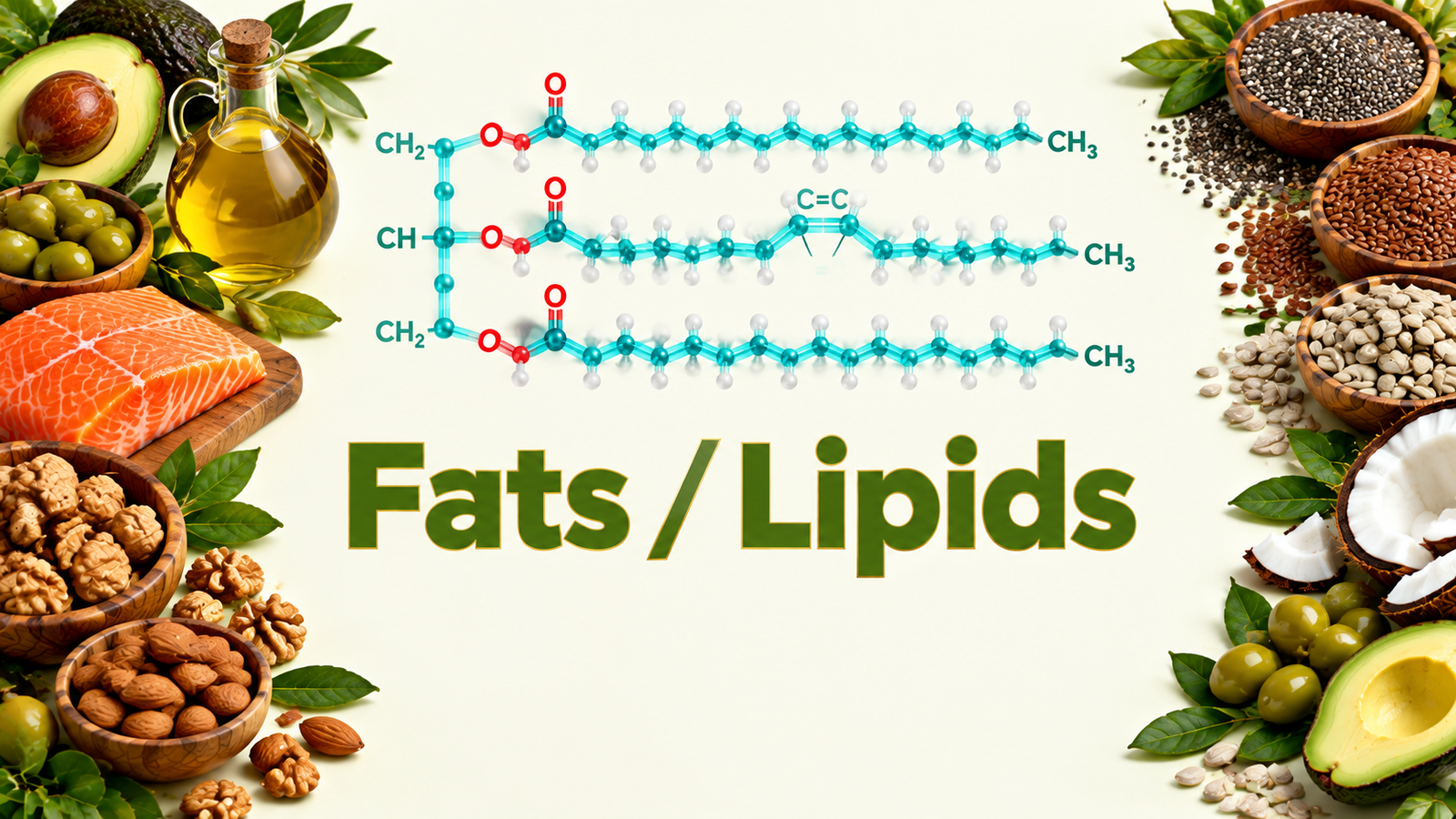
Fats
Fats are essential, but the type of fat matters. Choose unsaturated fats from fish, nuts, seeds, and plant oils more often, while limiting trans fats and reducing frequent intake of foods high in saturated fat, such as deep-fried foods, processed meats, rich pastries, and some highly processed snacks.
Fat also helps the body absorb vitamins A, D, E, and K. This is one reason an extremely low-fat diet may be difficult to maintain and may reduce absorption of certain essential nutrients.
Fibre and Water
Fibre is technically a type of carbohydrate, but it deserves separate attention because it supports digestion and helps meals feel satisfying. Increase fibre gradually and drink enough fluids, especially when adding more beans, wholegrains, vegetables, and fruit to your diet.
Water is essential for every system in the body. Make water the main drink, and limit sugar-sweetened drinks, which can add substantial calories without providing the same fullness as whole foods.
Deficiency and Health
Macronutrient deficiency usually occurs when food intake is too low over time, when a diet is highly restrictive, or when illness affects appetite, digestion, absorption, or nutrient use. Possible signs include unintended weight loss, tiredness, weakness, muscle loss, poor concentration, frequent illness, slow recovery, constipation, or dehydration.
These symptoms can have many causes. Anyone with ongoing unexplained symptoms, rapid weight loss, difficulty eating, persistent digestive problems, or concerns about malnutrition should speak with a doctor or dietitian rather than self-diagnosing. Singapore’s Ministry of Health encourages people to take proactive steps to prevent chronic disease and seek timely, appropriate healthcare.
Connection to Other Pillars
Macronutrients do not work alone. They are closely connected to the other lifestyle pillars, including physical activity, sleep, stress management, social wellbeing, and appropriate medical care. A balanced intake of carbohydrates, protein, healthy fats, fibre, and water helps provide the energy and nutrients the body needs for daily life.
Physical activity increases the body’s need for energy, fluids, and protein for recovery. For example, carbohydrates can support energy for walking, running, work, and exercise, while protein helps the body repair and maintain muscles after activity. Good hydration is also important, especially in Singapore’s hot and humid climate.
Sleep and stress can also affect food choices. When a person is tired, stressed, or emotionally overwhelmed, they may be more likely to skip meals, eat irregularly, choose highly processed foods, or eat more than their body needs. Regular meals with enough protein, fibre, and healthy fats may help support steadier energy levels and reduce extreme hunger during the day.
Social connection also plays a role. Eating with family, friends, or colleagues can make meals more enjoyable and can support healthier routines when people cook, share food, and encourage each other. At the same time, food should remain flexible and culturally appropriate, rather than becoming a strict set of rules.
https://www.healthhub.sg/well-being-and-lifestyle/food-diet-and-nutrition https://ods.od.nih.gov/factsheets/list-all/ https://www.moh.gov.sg/

Comments
No comments yet.
Log in to leave a comment.