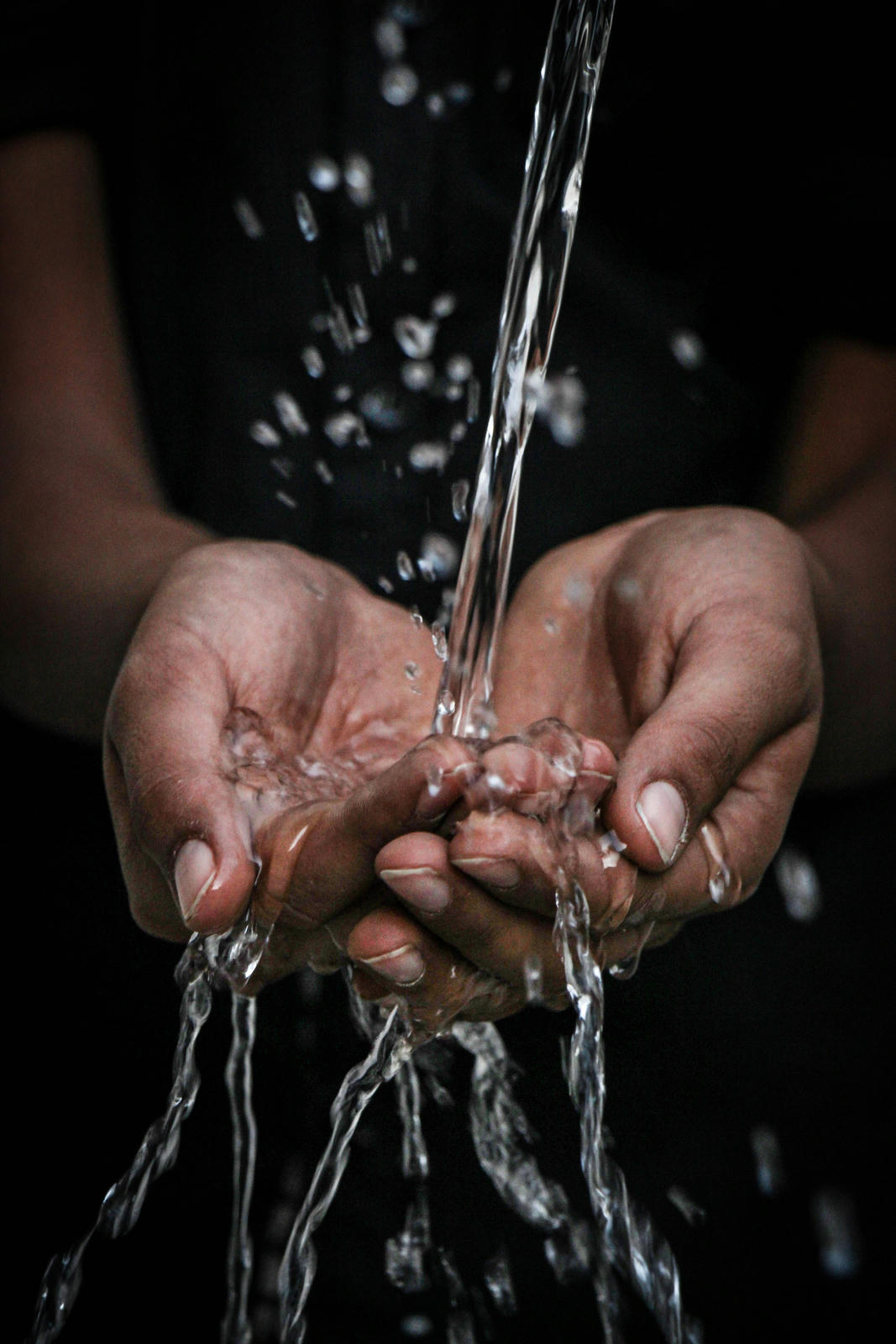
Water is essential for every system in the body: it carries nutrients, regulates temperature, cushions joints, removes waste and is the medium for every chemical reaction. In Singapore's hot, humid climate, staying hydrated matters every day.
What is it?
Water makes up about 50 to 60 percent of an adult's body weight. People lose water through urine, sweat, breath and stool and must replace it daily. About 20 percent of our water comes from food and the rest from drinks. Tap water in Singapore is safe to drink directly.
What it does
- Regulates body temperature through sweating
- Carries nutrients and oxygen, and removes waste through the kidneys
- Helps digestion and keeps stools soft
- Cushions joints, the spinal cord and the eyes
- Is needed for all chemical reactions in cells
Food sources
Water, plain or sparkling, is the best drink. Tea, coffee, milk and soup count as fluid; fruit and vegetables with high water content (watermelon, cucumber, tomato, oranges) add to it. Limit sugar-sweetened drinks, which add many calories without making you feel full.
Singapore food examples
- Plain water from the tap or a bottle — Singapore's tap water is safe
- Unsweetened tea, Chinese tea and coffee without sugar ("kopi-o kosong")
- Soup, congee and watery fruit such as watermelon, pomelo, papaya and cucumber
- Fresh coconut water in moderation
- Limit sweet drinks — bubble tea, soft drinks and sweetened juice — and check the Nutri-Grade label
How much do I need?
Singapore's RDA table does not list water, but its guidelines advise making water the main drink and limiting sugary drinks — see Singapore's dietary guidelines for adults (HealthHub). The US National Academies set an Adequate Intake for total water (from drinks and food) of about 3.7 litres a day for men and 2.7 litres for women. Needs rise with heat, humidity, exercise, illness, pregnancy and breastfeeding.
A practical sign is pale-yellow urine and not feeling thirsty.
Low intake and deficiency
Mild dehydration causes thirst, dry mouth, dark urine, headache, tiredness, poor concentration and constipation. More serious dehydration causes dizziness, a fast heartbeat, confusion and fainting; in Singapore's heat, dehydration can lead to heat exhaustion and heat stroke, a medical emergency. Older adults, young children, people working outdoors and people with diarrhoea or vomiting are at higher risk, and older adults may not feel thirsty.
Too much and safety
Drinking far more than the body needs can dilute blood sodium, causing low sodium (hyponatraemia) with headache, nausea, confusion and seizures — a risk during long endurance events, not everyday life. People with heart, kidney or liver disease may be advised to limit fluids.
Absorption and bioavailability
Water is absorbed quickly in the small intestine and colon. Sodium and glucose help absorb water, which is the principle of oral rehydration solutions used for diarrhoea. Plain water is enough for most exercise under an hour; for long, sweaty sessions a drink with some salt and carbohydrate can help. Caffeine in normal amounts does not cause net dehydration in regular drinkers.
Connection to daily life
- Exercise: drink before, during and after, more in the heat — see Exercise
- Heat and outdoor work: take breaks in the shade and drink regularly
- Digestion: enough fluid, with fibre, helps prevent constipation
- Sleep: a large drink before bed can disturb sleep, so spread fluid through the day — see Sleep
- Healthy ageing: build drinking into routine, since thirst fades with age
Sources: 1. National Academies of Sciences, Engineering, and Medicine — Dietary Reference Intakes for Energy, Carbohydrate, Fiber, Fat, Fatty Acids, Cholesterol, Protein, and Amino Acids (2005) 2. HealthHub Singapore — Dietary guidelines for adults: https://www.healthhub.sg/well-being-and-lifestyle/food-diet-and-nutrition/dietary_guidelines_adults 3. Health Promotion Board — Singapore Food Insights Database (SG FoodID): https://www.hpb.gov.sg/healthy-living/food-and-beverage/sgfoodid/ 4. FAO/INFOODS — Food composition tables and databases: https://www.fao.org/food-composition/tables-and-databases/en/
Comments
No comments yet.
Log in to leave a comment.