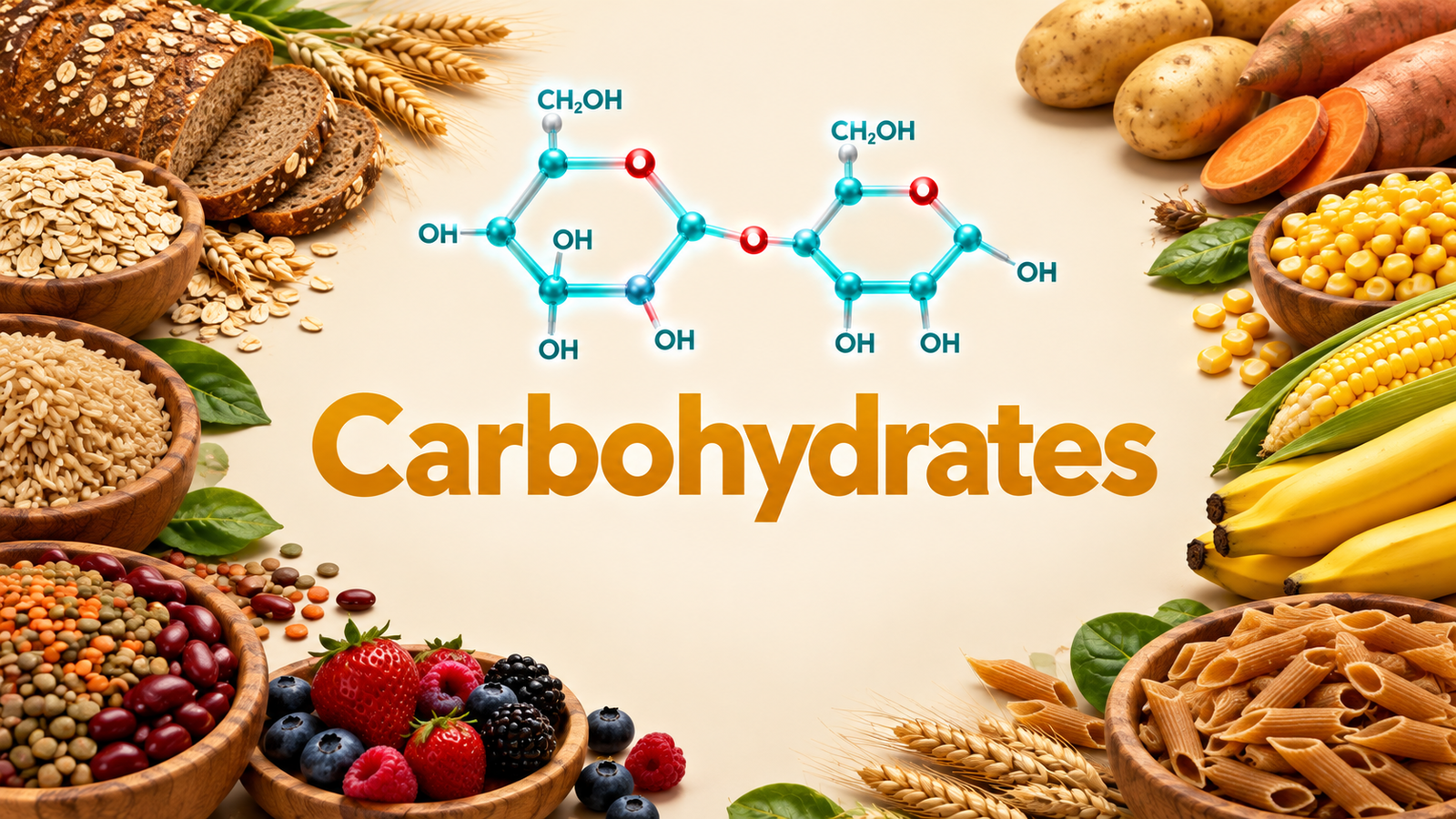
Carbohydrates are the body's main source of energy and the preferred fuel for the brain and muscles. They are found in grains, starchy vegetables, fruit, legumes and dairy, and quality and portion size matter more than the label "carbs".
What is it?
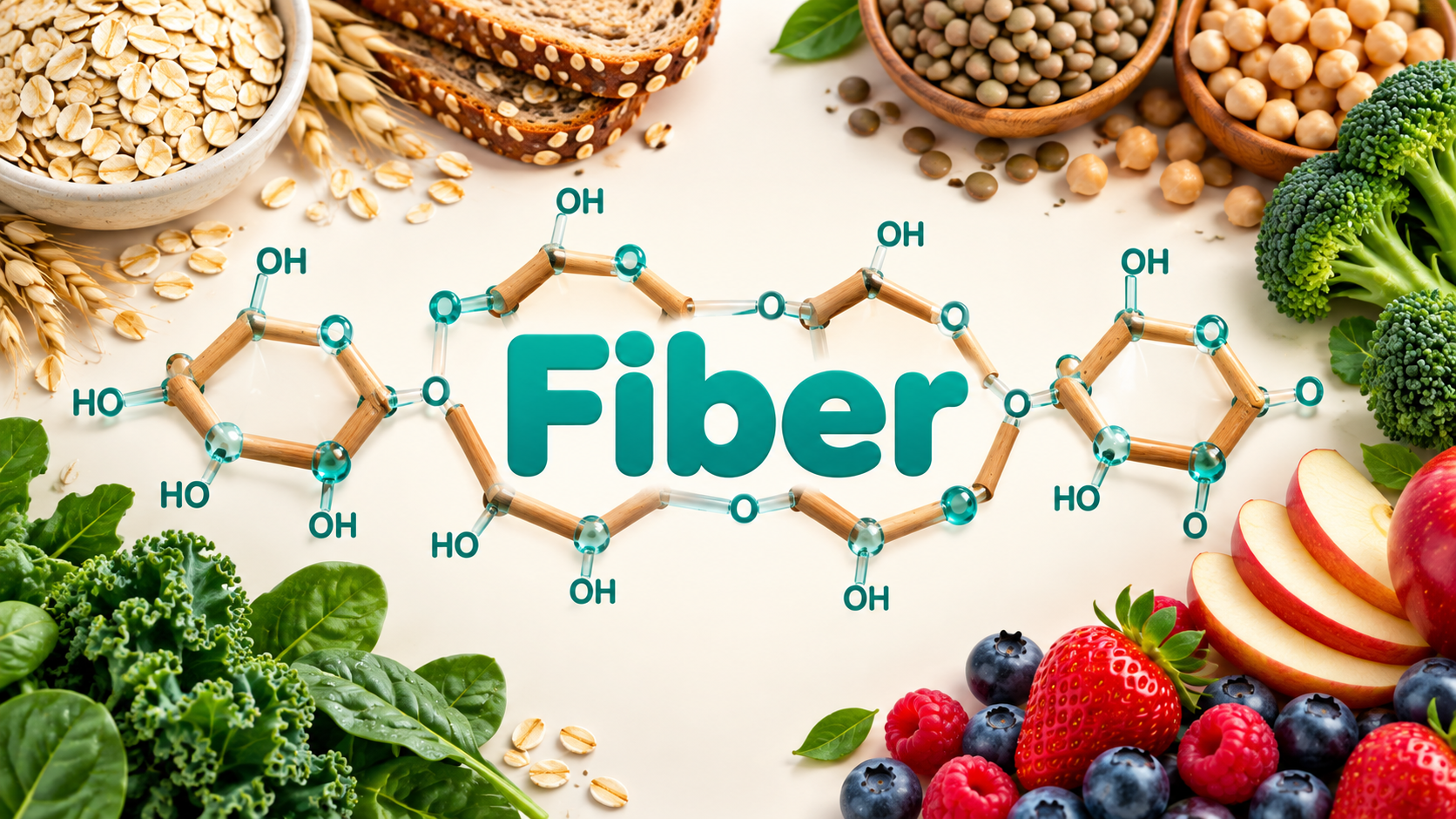
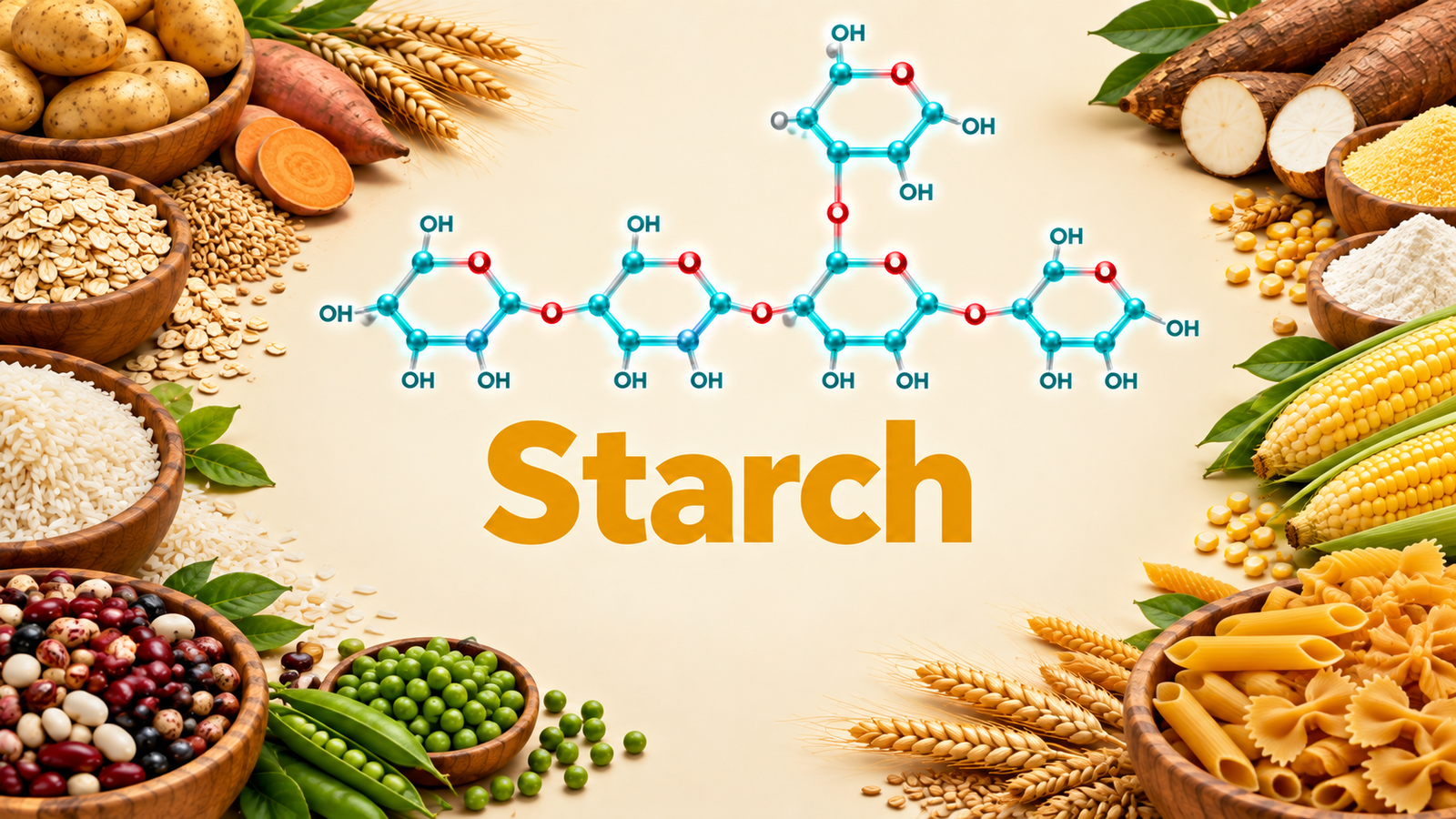
Carbohydrates are sugars, starch and fibre. All provide about 4 kilocalories per gram except fibre, which provides little. Starch and sugars are broken down to glucose, which fuels cells; fibre passes on to the large intestine. See Sugars, Starch and Fibre.
What it does
- Provide fuel for the brain, muscles and red blood cells
- Spare protein from being burned for energy
- Provide fibre for digestion and gut health
- Fuel higher-intensity exercise through stored glycogen in muscle and liver
Food sources
Rice, noodles, bread, oats and other grains, starchy vegetables such as potato, sweet potato and yam, fruit, legumes and milk and yoghurt. Sweets, sugary drinks, pastries and refined snacks are carbohydrates too, but with little else.
Singapore food examples
- Rice (white, brown, mixed grain), noodles, bee hoon and kway teow
- Bread, roti prata, thosai and chapati — choose wholemeal versions more often
- Sweet potato, yam, potato and corn
- Fruit — papaya, banana, mango, apple, orange
- Dhal, chickpeas, beans and lentils
- Kueh, desserts and sweet drinks — enjoy occasionally
How much do I need?
Singapore's dietary guidelines recommend eating sufficient amounts of grains, with at least half of the rice and alternatives (such as noodles and bread) from wholegrains, and limiting added sugar to no more than 10 percent of daily energy — see Singapore's dietary guidelines for adults (HealthHub). Singapore's RDA table does not list a carbohydrate figure.
For comparison, US and Canadian guidance sets a minimum of 130 g of carbohydrate a day for adults, to supply the brain with glucose, and suggests that 45 to 65 percent of daily energy come from carbohydrate.
Low intake and deficiency
Very low-carbohydrate diets can cause tiredness, headaches, dizziness, constipation, bad breath and reduced exercise performance at first, because the body must switch to burning fat and producing ketones. They often reduce fibre intake and are hard to sustain. Not eating enough carbohydrate overall means not eating enough energy.
Too much and safety
Eating more energy than you use, from any source, leads to weight gain. Diets high in refined grains and sugar-sweetened drinks are linked to a higher risk of type 2 diabetes, fatty liver and heart disease, while diets high in wholegrains, legumes, vegetables and fruit are linked with lower risk. Quality matters more than quantity: choose fibre-rich carbohydrate foods.
People with diabetes should work with their doctor or dietitian on the amount and type of carbohydrate at each meal.
Absorption and bioavailability
Starch and sugars are digested and absorbed rapidly in the small intestine; fibre is not digested. How fast a food raises blood glucose (its glycaemic index) depends on the type of carbohydrate, fibre, fat and protein in the meal, how it is cooked and how processed it is. Brown or mixed-grain rice, oats, beans and intact grains digest more slowly than white rice, white bread and sugary drinks.
Pairing carbohydrates with protein, vegetables and healthy fat slows digestion and smooths the blood-sugar rise.
Connection to daily life
- Exercise: carbohydrate fuels moderate and hard exercise; needs rise with training — see Exercise
- Blood sugar and energy: swapping refined for wholegrain carbohydrate gives steadier energy
- Sleep and stress: very large, sugary evening meals can disturb sleep; regular meals help — see Sleep and Stress
- Healthy ageing: fibre-rich carbohydrates support gut and heart health
Sources: 1. National Academies of Sciences, Engineering, and Medicine — Dietary Reference Intakes for Energy, Carbohydrate, Fiber, Fat, Fatty Acids, Cholesterol, Protein, and Amino Acids (2005) 2. HealthHub Singapore — Recommended Dietary Allowances: https://www.healthhub.sg/well-being-and-lifestyle/food-diet-and-nutrition/recommended_dietary_allowances 3. HealthHub Singapore — Dietary guidelines for adults: https://www.healthhub.sg/well-being-and-lifestyle/food-diet-and-nutrition/dietary_guidelines_adults 4. Health Promotion Board — Singapore Food Insights Database (SG FoodID): https://www.hpb.gov.sg/healthy-living/food-and-beverage/sgfoodid/ 5. FAO/INFOODS — Food composition tables and databases: https://www.fao.org/food-composition/tables-and-databases/en/

Comments
No comments yet.
Log in to leave a comment.