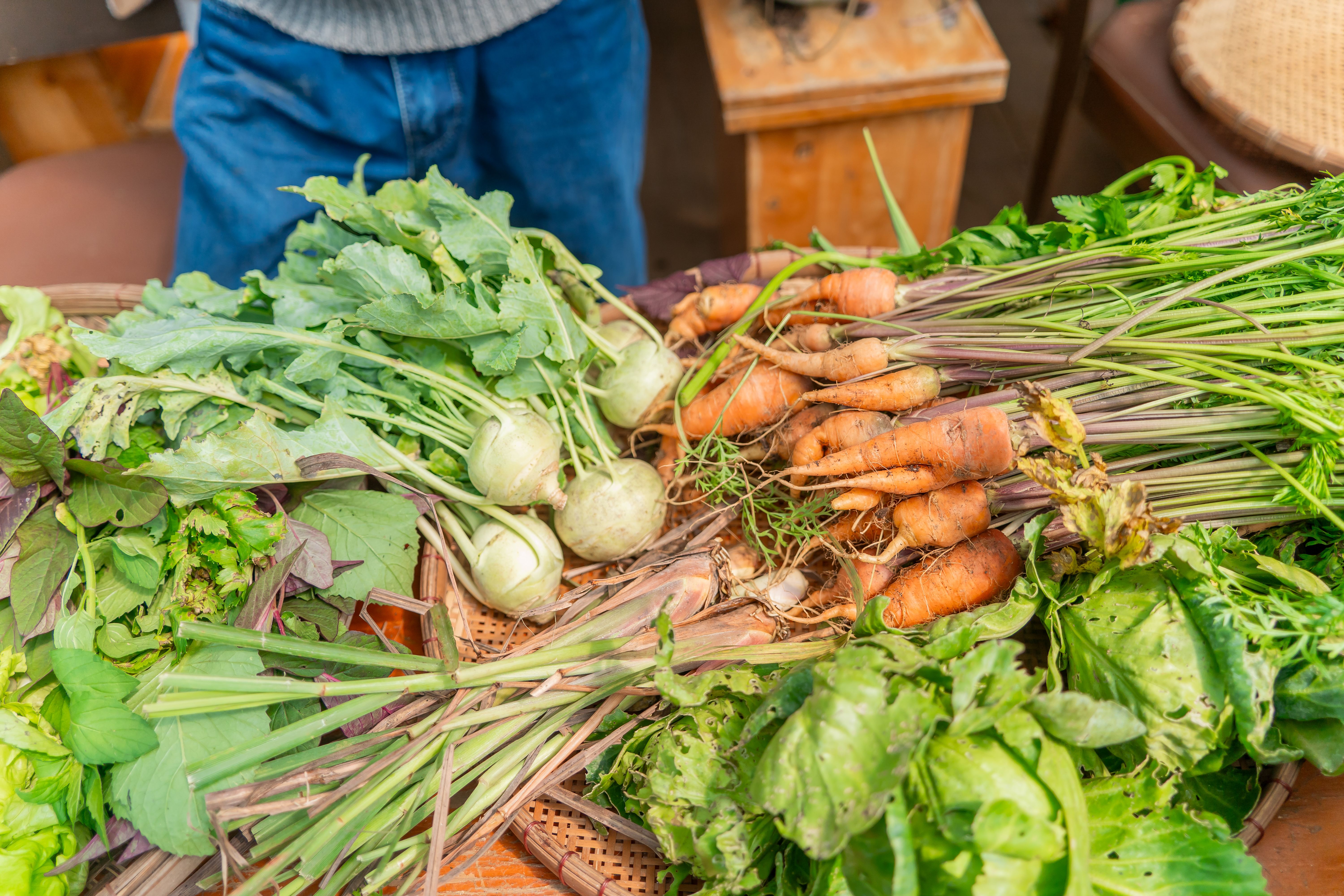
Vegetables are a cornerstone of a healthy diet, providing vitamins, minerals, fibre and antioxidants with very few kilojoules for their volume. Harvard's Healthy Eating Plate is emphatic here: “the more veggies — and the greater the variety — the better,” recommending they fill half the plate alongside fruit, while specifically noting “potatoes and French fries don't count.”
Common vegetables
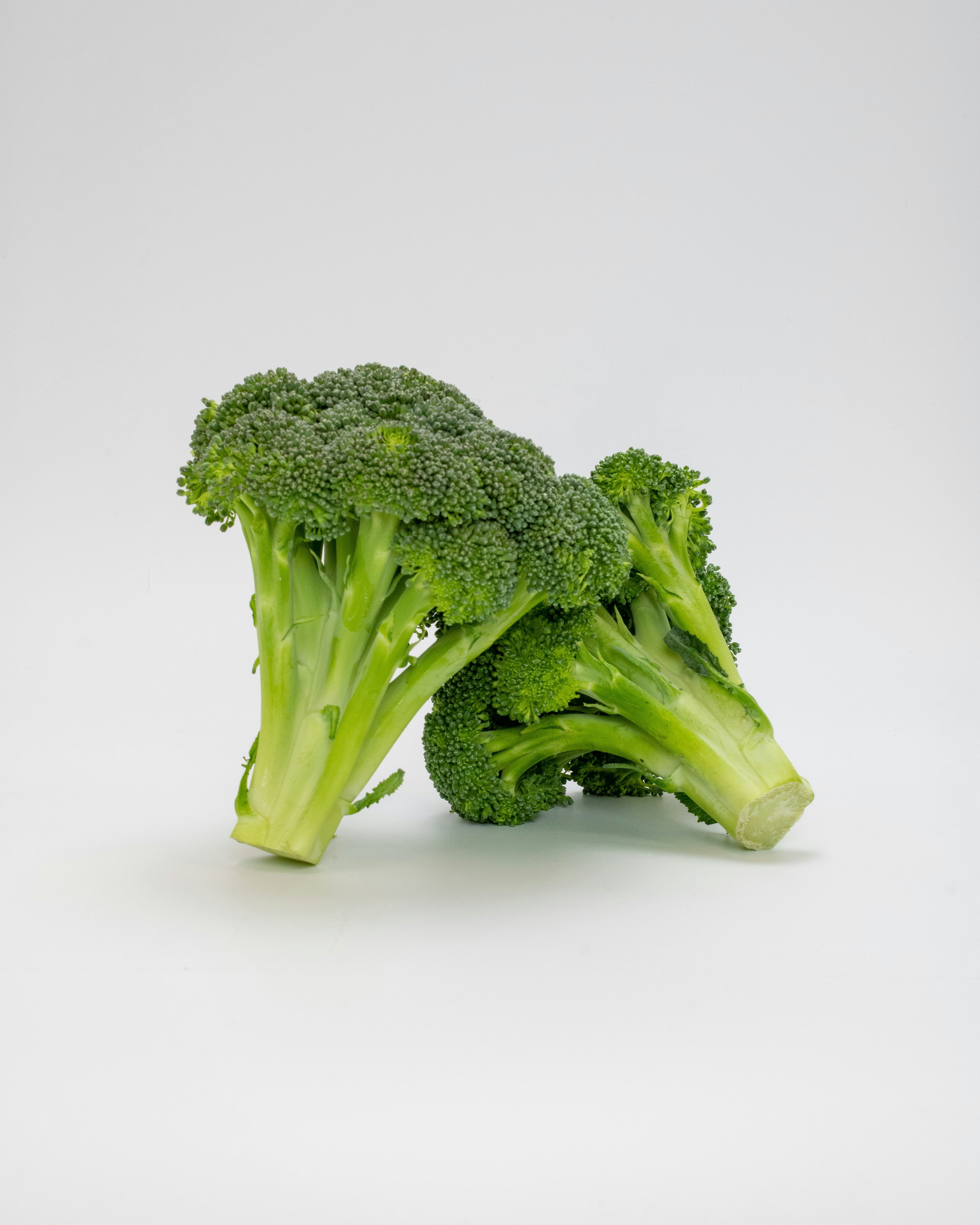
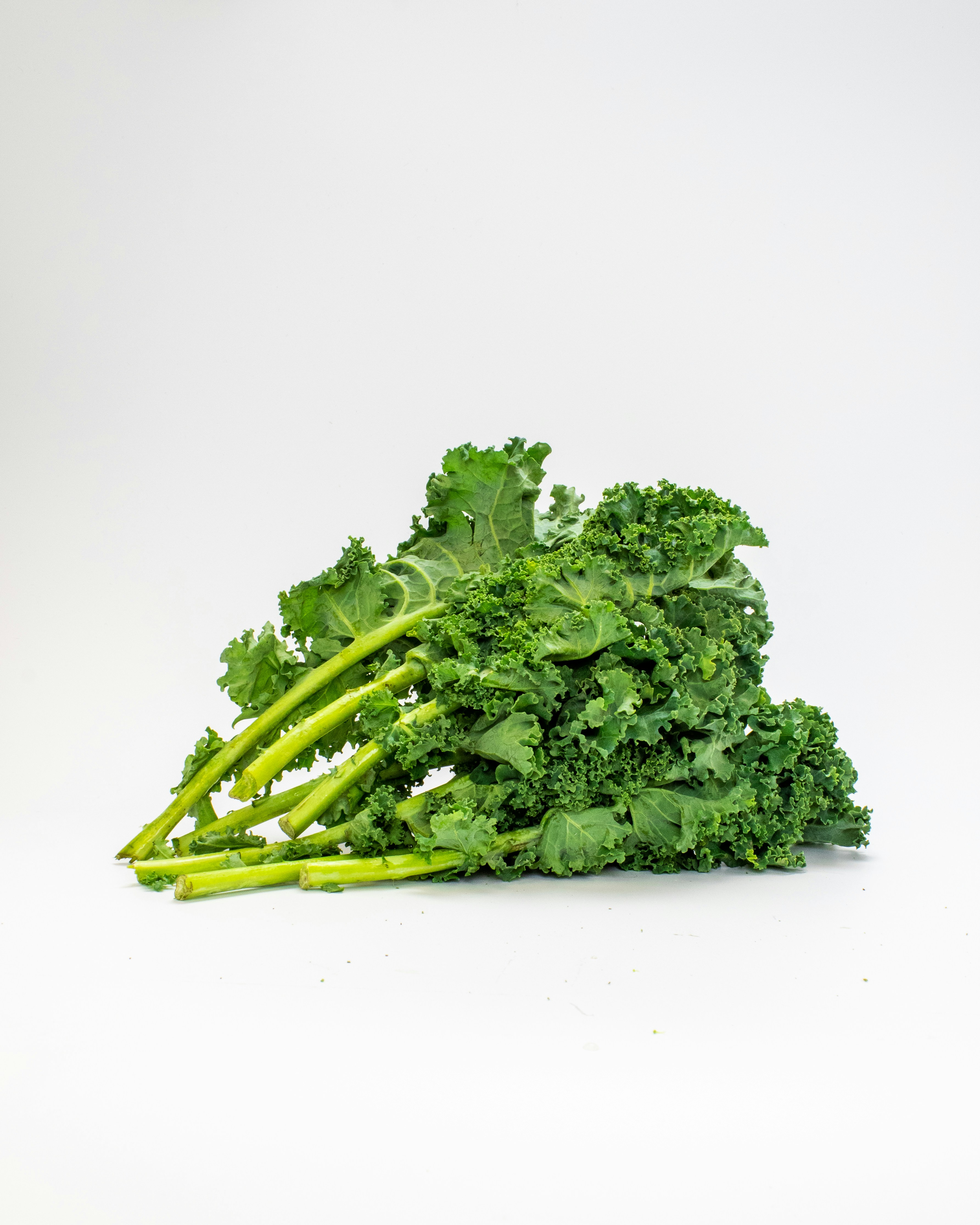
Leafy greens such as spinach and kale, cruciferous vegetables such as broccoli and cauliflower, and root vegetables such as carrots and beetroot each bring a different mix of nutrients.
Health influence
Benefit: higher vegetable intake is one of the most consistent dietary factors associated with lower risk of cardiovascular disease, some cancers and overall mortality.
Watch for: starchy vegetables such as potatoes, especially prepared with added fat as chips or fries, don't confer the same benefit and are considered separately. Heavy cream sauces or deep-frying can also offset much of the benefit of an otherwise healthy vegetable.
Practical choices
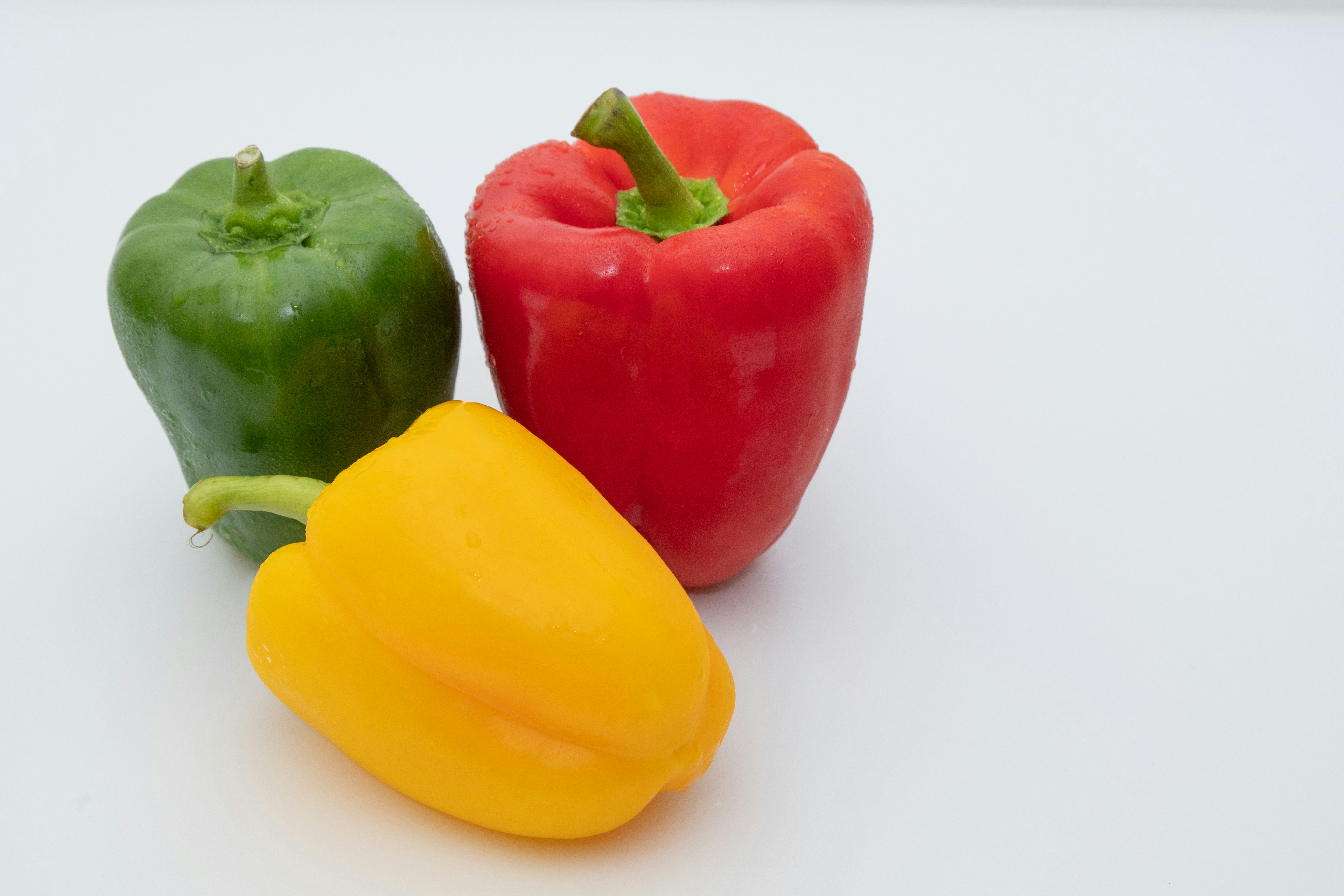
- Aim to fill half the plate with a variety of colourful vegetables at most meals.
- Favour steaming, roasting or stir-frying with minimal oil over deep-frying.
- Go easy on creamy sauces and heavy dressings.
- Treat potato chips and fries as an occasional food rather than an everyday vegetable serving.

Comments
No comments yet.
Log in to leave a comment.