
Dietary fats and oils supply concentrated energy, essential fatty acids, and help absorb the fat-soluble vitamins A, D, E and K. Harvard's Healthy Eating Plate is explicit that for heart health, the type of fat matters more than the total amount, and that “low-fat does not mean healthy.”
Common fats and oils
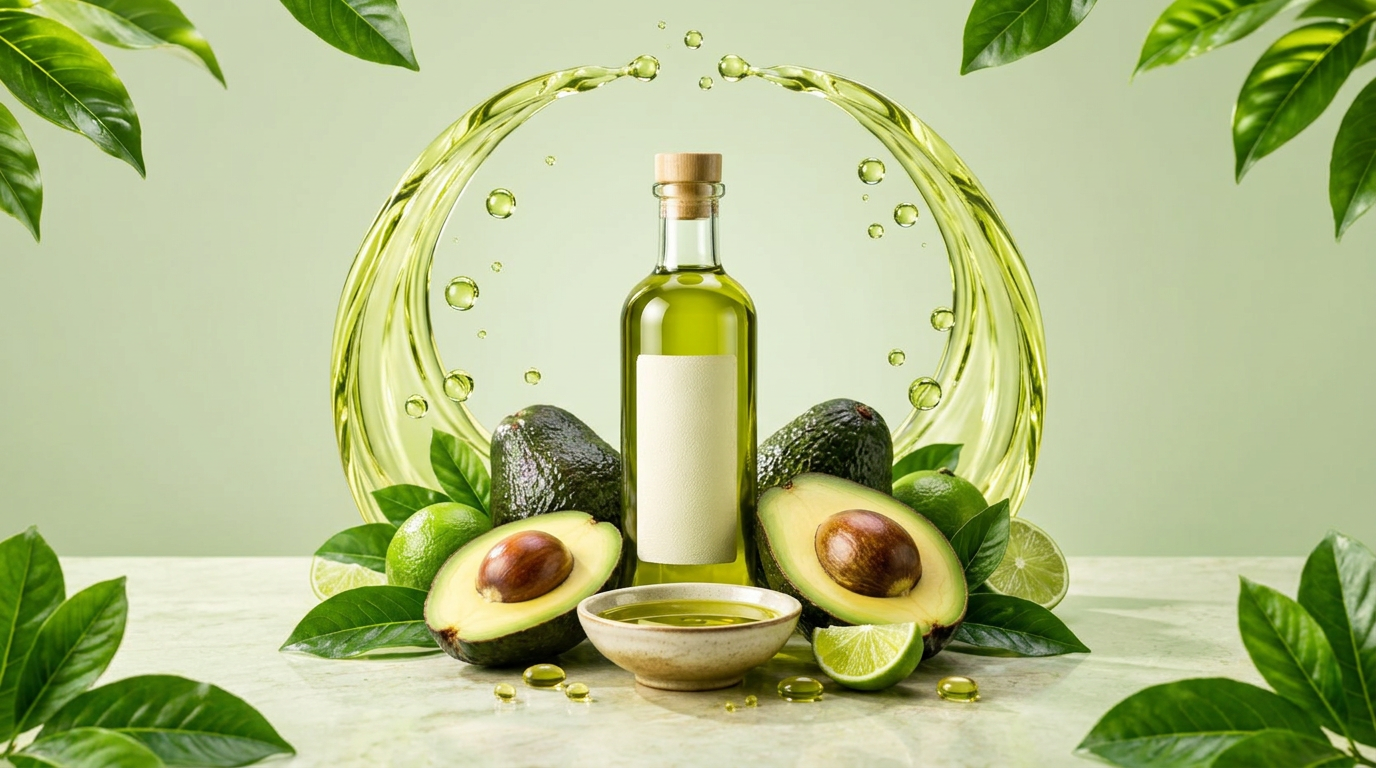
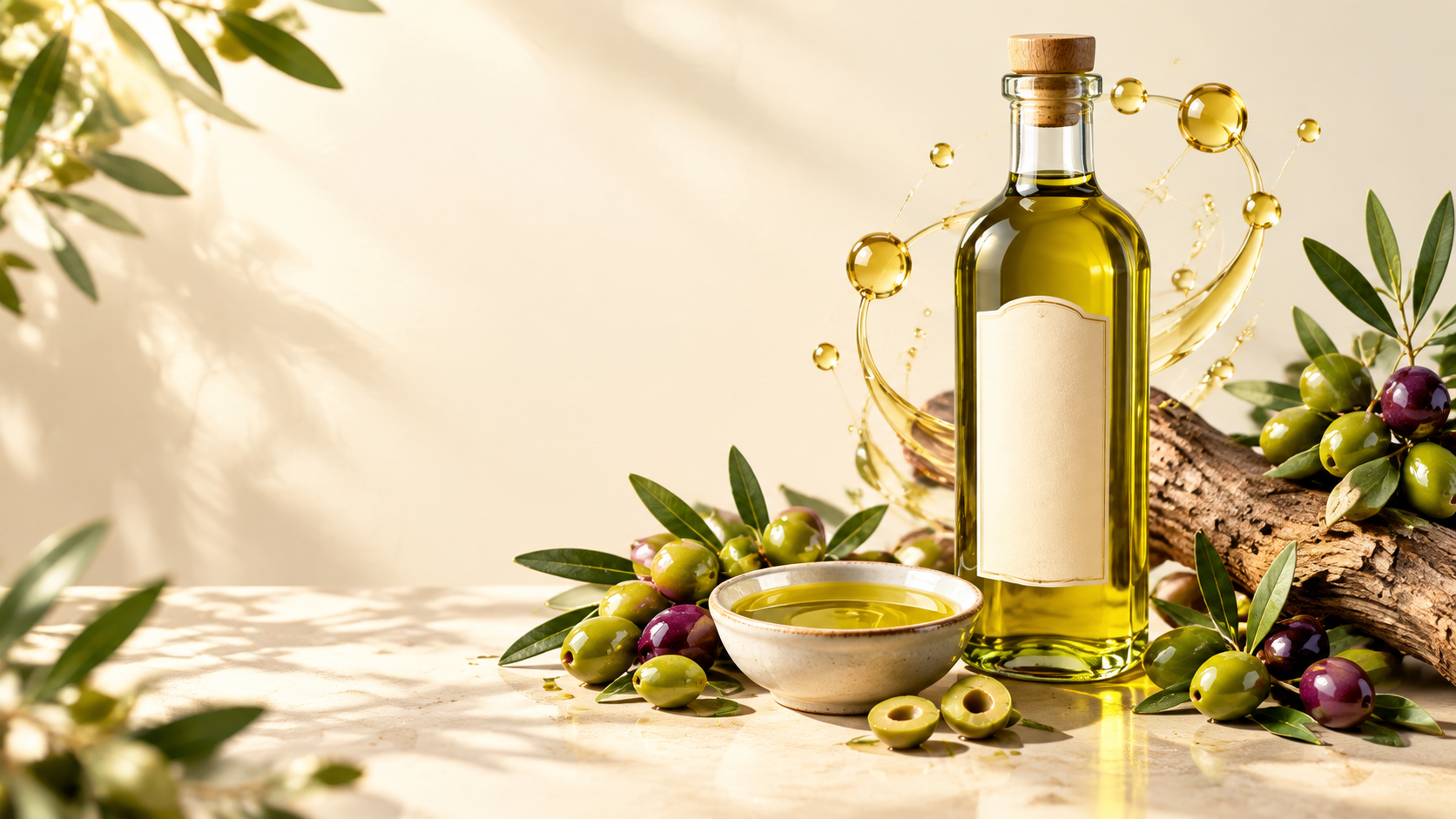
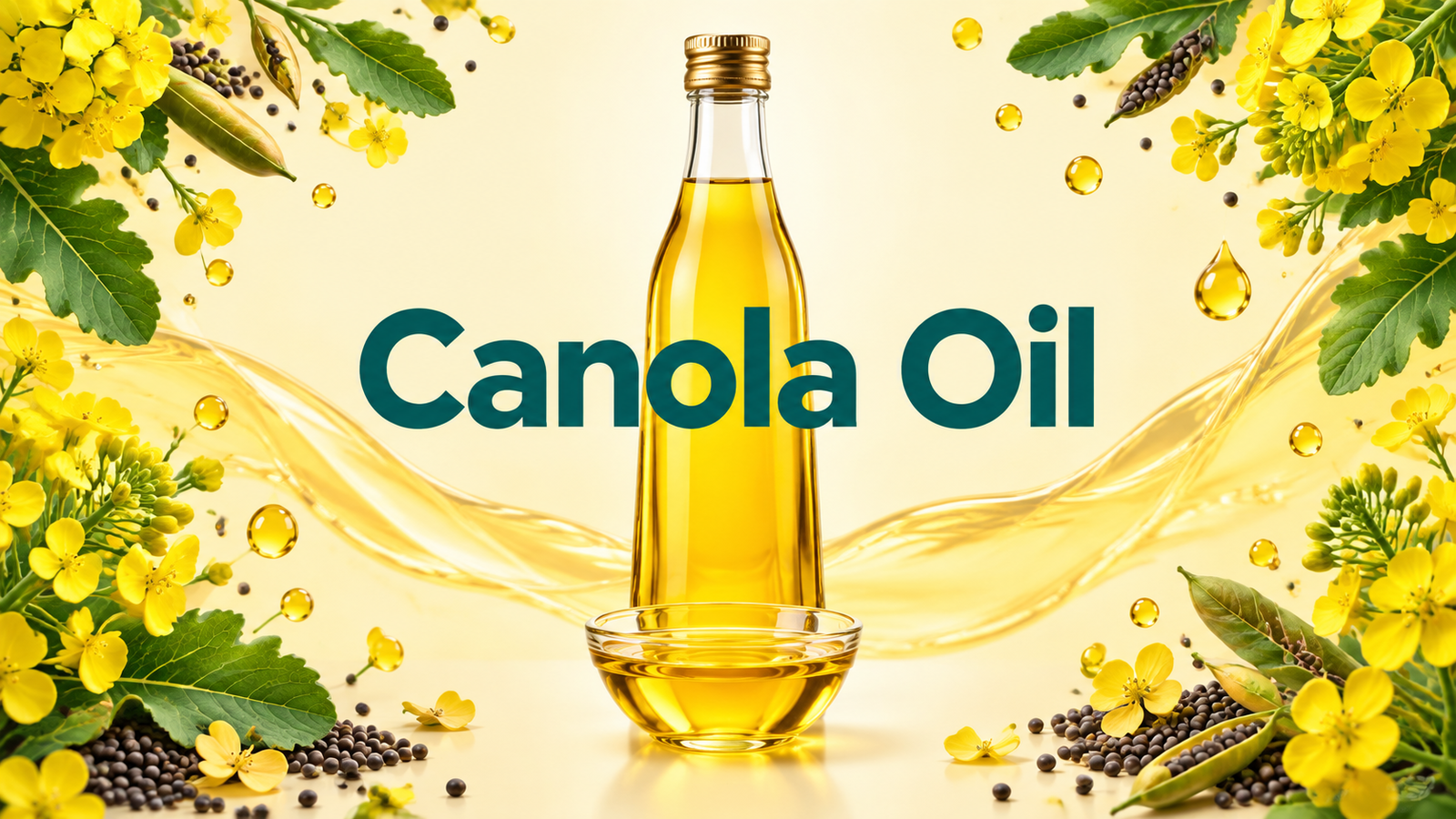
Unsaturated oils include olive, canola, sunflower and avocado oil. Saturated fats include butter, ghee, palm oil and coconut oil. Harvard specifically recommends “healthy oils (like olive and canola oil)” while limiting butter and avoiding trans fats entirely.
Health influence
Benefit: replacing saturated and trans fats with unsaturated oils such as olive or canola is consistently associated with lower LDL cholesterol and reduced cardiovascular risk.
Watch for: trans fats raise heart disease risk more than any other fat type, which is why many countries now restrict them. Regardless of type, fats and oils are energy-dense, so even “healthy” oils add up quickly if used generously.
Practical choices
- Cook with olive, canola or other unsaturated oils instead of butter or palm oil where practical.
- Check labels for "partially hydrogenated" oil, a sign of trans fat.
- Limit deep-fried foods and processed baked goods.
- Measure oil rather than pouring freely, since it is easy to over-add even a healthy oil.
https://fdc.nal.usda.gov/food-search?type=SR%20Legacy&query=oil https://www.healthhub.sg/well-being-and-lifestyle/food-diet-and-nutrition https://www.britannica.com/dictionary https://www.fda.gov/food/science-research-food https://www.ifis.org/ https://foodb.ca/ https://examine.com/




Comments
No comments yet.
Log in to leave a comment.