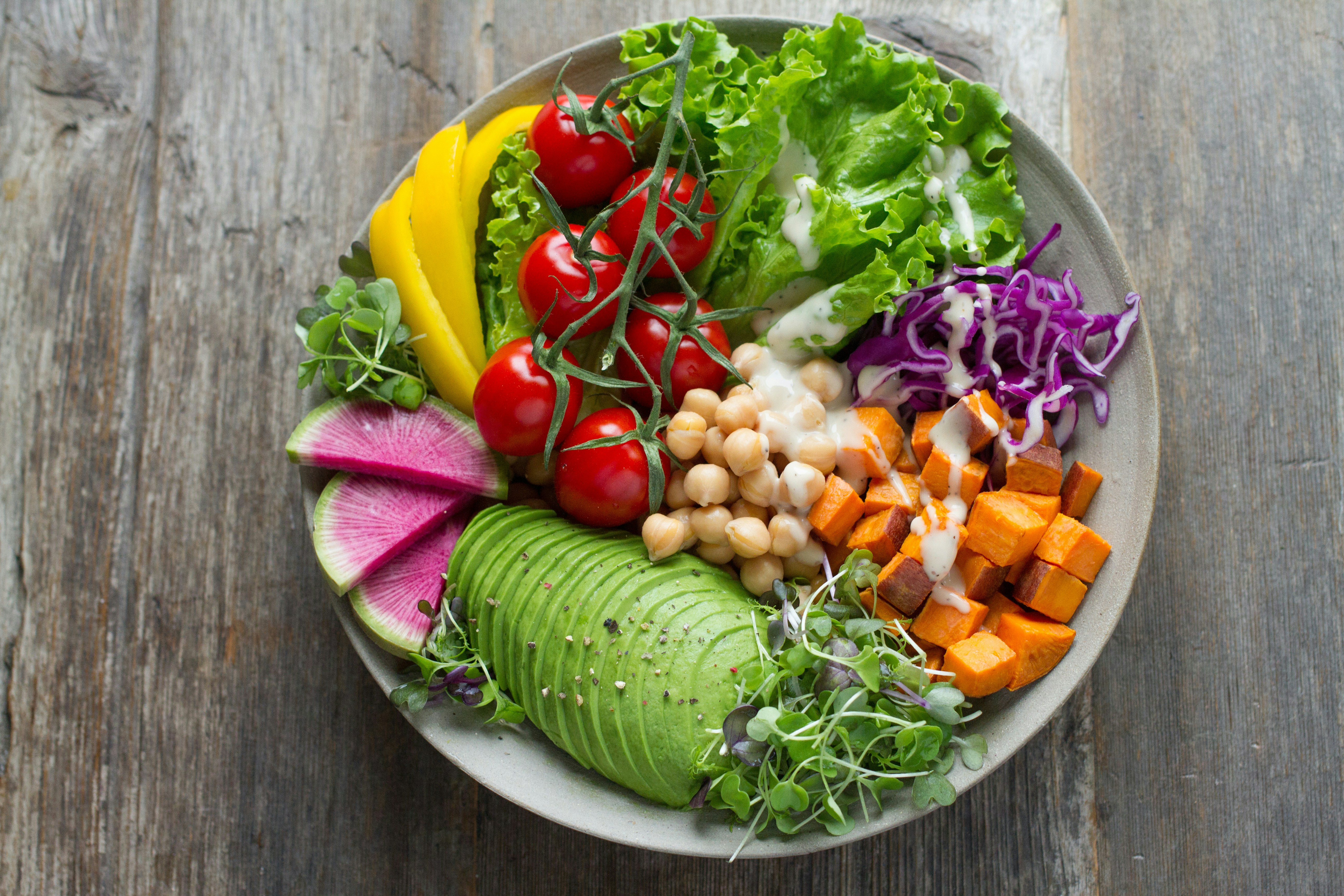
What “Diet” Means
A diet includes what a person usually eats, how food is prepared, meal timing, portion sizes, beverages, social eating, and the cultural traditions around food. It should support daily energy, physical activity, sleep, concentration, digestion, and long-term health—not only weight change.
There is no single best diet for every person. Dietary needs depend on age, health conditions, medicines, activity level, food access, culture, ethics, allergies, cooking skills, and personal preferences.
A Balanced Foundation
For most people, begin with a flexible healthy-plate approach rather than a strict named diet. Singapore’s My Healthy Plate uses a “Quarter, Quarter, Half” guide: half the plate fruit and vegetables, one quarter wholegrains, and one quarter protein foods.
Plate area | Practical choices | Why it matters |
|---|---|---|
Half: vegetables and fruit | Leafy greens, bok choy, kailan, broccoli, carrots, tomatoes, mushrooms, okra, cabbage, berries, papaya, guava, citrus | Provides fibre, vitamins, minerals, and diverse plant compounds. |
Quarter: wholegrains | Brown rice, mixed-grain rice, oats, wholemeal bread, whole-wheat noodles, barley, millet, quinoa | Provides carbohydrate for energy, together with fibre and micronutrients. |
Quarter: protein foods | Fish, eggs, chicken, tofu, tempeh, lentils, beans, chickpeas, yoghurt, nuts and seeds | Supports muscle, immune function, fullness, and body repair. |
Small amounts: healthier fats | Nuts, seeds, avocado, olive, canola, peanut, soybean, and sesame oils | Helps absorb fat-soluble vitamins and provides essential fats. |
Main drink | Water; unsweetened tea or coffee where appropriate | Helps reduce routine intake of sugary drinks. |
Common Dietary Patterns
A named diet is best viewed as a framework, not a guarantee of health. Its quality depends on the actual foods chosen, overall portions, preparation methods, and whether it provides all essential nutrients.
Dietary pattern | Main idea | Strengths | Watch-outs |
|---|---|---|---|
Whole-food plant-based (WFPB) | Centres minimally processed plant foods; usually limits refined grains, added sugar, and animal foods | Encourages vegetables, fruit, legumes, whole grains, nuts, and seeds | “Plant-based” does not automatically mean nutritionally complete; fortified foods or supplements may be needed. |
Low-carbohydrate | Reduces carbohydrate foods, with the degree varying widely | Can help some people reduce refined carbohydrates and sugary drinks | Prioritise fibre-rich vegetables, legumes where compatible, and unsaturated fats; people using glucose-lowering medicines need professional guidance. |
Low-glycaemic | Favors carbohydrate foods that tend to have a slower blood-glucose effect | Encourages legumes, minimally processed grains, and higher-fibre choices | Glycaemic response also depends on portion, cooking, ripeness, meal composition, and individual response. |
Low-fat | Limits total dietary fat, often especially saturated fat | Can help reduce reliance on fried foods and rich processed foods | Do not remove all fats; nuts, seeds, fish, and plant oils can be part of a balanced diet. |
Ketogenic / keto | Very low carbohydrate, high fat, moderate protein | May be clinically useful in specific medical circumstances and can produce short-term weight loss for some people | Restrictive; can be difficult to sustain and may be unsuitable with certain conditions or medicines. Do not start it casually if you have diabetes or use insulin. |
Paleolithic / paleo | Focuses on foods described as ancestral: meat, fish, eggs, vegetables, fruit, nuts, seeds; usually excludes grains, legumes, and dairy | Encourages cooking from basic ingredients and reducing ultra-processed food | Excluding legumes and whole grains may reduce affordable fibre-rich foods; long-term adequacy depends on food choices. |
Standard American Diet (SAD) | Often describes a pattern high in ultra-processed foods, refined grains, added sugars, sodium, and saturated fat | Useful mainly as a contrast to a more whole-food-based pattern | Improve gradually by increasing vegetables, fruit, fibre-rich carbohydrates, and minimally processed protein foods. |
Culture and Diet
Healthy eating does not have to mean copying one Western dietary pattern. Asian dietary traditions may be less represented in large nutrition studies than Mediterranean-style patterns, but they can still fit strong nutrition principles when built around vegetables, beans, soy foods, fish, whole or minimally refined grains, fruit, herbs, spices, and moderate portions.
A balanced plate can look different across cultures:
- Singaporean and Southeast Asian: brown or mixed-grain rice, fish or tofu, two vegetable dishes, fruit, and water; reduce sugary drinks and choose lighter sauces where possible.
- Chinese-inspired: rice or wholegrain noodles, tofu/fish/lean protein, leafy greens, mushrooms, beans, and soup with mindful attention to sodium.
- Indian and Ayurvedic-inspired: dal, chickpeas, vegetables, whole-wheat chapati or brown rice, yoghurt or fortified alternatives, herbs, and spices; use ghee, coconut products, and fried foods in sensible quantities.
- Japanese-inspired: rice or mixed grains, fish or tofu, sea vegetables, seasonal vegetables, fruit, and fermented foods such as miso or natto; monitor sodium in miso, soy sauce, pickles, and processed foods.
Cultural food knowledge is valuable because it makes healthier eating more practical and meaningful. The goal is not to label foods as “good” or “bad,” but to improve overall frequency, portions, preparation methods, and variety.
Macronutrients
Macronutrients supply energy and form the foundation of meals.
Macronutrient | Main roles | Food sources |
|---|---|---|
Carbohydrate | Main energy source for the brain and working muscles | Wholegrains, beans, lentils, fruit, vegetables, dairy, rice, noodles, oats, potatoes |
Protein | Supports muscle maintenance, recovery, immune function, enzymes, and hormones | Fish, eggs, poultry, dairy, tofu, tempeh, beans, lentils, nuts, seeds |
Fat | Supports cell structure, hormones, energy storage, and absorption of vitamins A, D, E, and K | Fish, nuts, seeds, avocado, olive oil, canola oil, sesame, peanut, soybean |
Fibre | Supports bowel regularity, fullness, and healthier dietary carbohydrate choices | Vegetables, fruit, legumes, oats, barley, brown rice, wholemeal foods, nuts, seeds |
Carbohydrate quality matters more than simply labelling carbohydrates as “good” or “bad.” Choose fibre-rich, minimally processed foods more often, and reduce sugary drinks, sweets, refined snacks, and heavily processed starches.
Micronutrients
Micronutrients are vitamins and minerals needed in smaller amounts but are essential for normal body function. No single food provides everything, which is why variety across food groups matters.
Examples include:
- Iron: supports oxygen transport; found in meat, seafood, beans, lentils, tofu, leafy greens, and fortified foods.
- Calcium and vitamin D: support bone health; found in dairy, fortified plant alternatives, calcium-set tofu, some fish, and appropriate sunlight exposure for vitamin D.
- Vitamin B12: supports blood and nervous-system health; naturally found mainly in animal foods, so vegans generally need reliable fortified foods or supplementation.
- Iodine: supports thyroid function; found in iodised salt, seafood, dairy, eggs, and some sea vegetables.
- Potassium and magnesium: support normal nerve and muscle function; found in vegetables, fruit, beans, whole grains, nuts, and seeds.
Phytonutrients and Antioxidants
Phytonutrients are naturally occurring compounds in plant foods. They include carotenoids, flavonoids, anthocyanins, glucosinolates, polyphenols, and many other compounds that give plants their colours, flavours, aromas, and protective properties.
“Antioxidant” describes an action, not a single nutrient category. Instead of relying on high-dose antioxidant supplements or chasing one “superfood,” aim for a diverse range of plant foods across the week: dark leafy greens, cruciferous vegetables, tomatoes, carrots, berries, citrus, beans, herbs, spices, tea, coffee, nuts, seeds, and whole grains.
Diet and Health Conditions
Diet can support health-condition management, but it is not a substitute for diagnosis, prescribed medicine, monitoring, or individual medical care.
Health topic | Dietary priorities | Important note |
|---|---|---|
Type 2 diabetes and prediabetes | Consistent meals, high-fibre carbohydrates, vegetables, whole grains, legumes, protein foods, fewer sugary drinks and refined snacks | Physical activity improves insulin sensitivity; medication changes should be managed with a clinician. |
High blood pressure | More vegetables, fruit, beans, whole grains, potassium-rich foods where appropriate; reduce sodium | Sodium can be high in sauces, instant noodles, soups, preserved foods, and takeaway meals. |
High cholesterol and cardiovascular health | More soluble-fibre foods, vegetables, legumes, nuts, seeds, fish, and unsaturated fats; less processed meat and highly processed food | Weight, physical activity, smoking, alcohol, family history, and medication also matter. |
Weight management | Regular balanced meals, satisfying fibre and protein, water instead of sweet drinks, cooking at home, realistic portions | A sustainable pattern is more useful than a severe short-term diet. |
Digestive health | Gradually increase fibre, fluids, and plant-food variety; identify personal triggers | People with inflammatory bowel disease, coeliac disease, IBS, or other diagnosed conditions may require personalised advice. |
Kidney disease | Nutrient needs can differ substantially, including protein, sodium, potassium, phosphorus, and fluid needs | Seek dietitian and clinical guidance rather than following general online diet advice. |
Pregnancy, older age, or intense training | Adequate protein, energy, iron, calcium, vitamin D, vitamin B12 where relevant, and hydration | Requirements differ; individual assessment is useful. |
Diet and Lifestyle
Food works together with sleep, movement, stress management, social connection, and healthcare. For diabetes, the CDC specifically highlights healthy eating, being active, managing stress, adequate sleep, medication adherence, and regular check-ups as complementary parts of living well.
- Sleep: irregular sleep and fatigue can make planning, appetite regulation, and food choices harder; establish a regular wind-down routine and avoid heavy meals or alcohol close to bedtime where these disturb sleep.
- Exercise: walking, aerobic activity, resistance training, and everyday movement support heart health, muscle, weight management, and blood-glucose management.
- Stress: prolonged stress can encourage emotional eating, overeating, disrupted sleep, or increased alcohol use; helpful strategies include social support, walking, mindfulness, breathing, yoga, and professional mental-health support when needed.
- Eating habits: slow down, eat with fewer distractions, notice fullness, and create a predictable routine. These habits fit well with culturally rooted mindful eating practices such as hara hachi bu.
Choosing a Diet
Choose an approach you can continue for months and years, not only days. A good starting point is to add one or two changes at a time: replace sweetened drinks with water, add a vegetable to lunch and dinner, change some refined grains to whole grains, include beans or tofu more often, and cook one additional meal at home each week.
Seek advice from a doctor or accredited dietitian before making major changes if you are pregnant, underweight, have an eating disorder, have kidney or liver disease, take diabetes medicines or insulin, or are considering a very-low-calorie, ketogenic, or highly restrictive diet.
https://nutritionsource.hsph.harvard.edu/food-features/ https://nutritionsource.hsph.harvard.edu/healthy-eating-plate/ https://www.healthhub.sg/programmes/nutrition-hub https://www.healthhub.sg/programmes/nutrition-hub/eat-more https://www.healthhub.sg/programmes/diabetes-hub/healthy-eating-tips https://www.healthhub.sg/well-being-and-lifestyle/food-diet-and-nutrition/plan-your-meals-with-my-healthy-plate https://www.cdc.gov/diabetes/living-with/index.html https://www.cdc.gov/diabetes/diabetes-complications/diabetes-and-your-heart.html https://www.cdc.gov/diabetes/living-with/healthy-weight.html


Comments
No comments yet.
Log in to leave a comment.